
Lieferung heute & morgen

Qualitätsgarantie

Willkommens-Angebote freischalten: KOSTENLOSE Lieferung | Bis zu 80 % RABATT | Kostenlose 30-Tage-JoyPlus-Testphase
App herunterladen
The search for the right toy car can quickly become overwhelming. Whether as a gift for children, for your own collection, or simply for play, the selection is vast. But not every model lives up to the promises on its packaging. Many buyers are frustrated by fragile parts, a lack of detail, or models that become unusable after a short time. This guide will help you navigate the common pitfalls and make an informed decision.
Before you make a choice, you should be aware of the most common issues that can lead to disappointment.
To avoid a bad purchase, you should check three essential features. These objective criteria will help you realistically assess the quality and utility of a toy car.
The material is crucial for a model's durability and feel.
The scale indicates how much the model has been downsized compared to the original vehicle. For example, a 1:64 scale means the toy car is 64 times smaller than its real-life counterpart. This value is important for two reasons:
Safety is a key consideration, especially if the toy car is intended as a gift for children aged 3 and up.
Here are some recommendations tailored to different user profiles that meet the quality criteria mentioned above.

Why It's a Great Fit: Ideal for children who love re-enacting rescue missions and car chases. The authentic design of a modern German police vehicle provides realistic fun and encourages role-playing.
The sturdy metal body withstands even the wildest missions, bypassing the problem of fragile plastic parts. As part of the Siku world, it is compatible with many other vehicles and playsets.
A detailed replica of a real emergency vehicle with clear windows and printed details. The rubberised tyres ensure excellent rolling performance on various surfaces.

Why It's a Great Fit: For anyone fascinated by fast sports cars. The Porsche 911 GT3 RS model appeals to young racers and adult collectors alike who appreciate iconic design.
This model avoids the trap of poor detail with its authentic shape and distinctive rear spoiler. The doors open, which significantly increases its play value compared to rigid models.
The combination of a metal body and plastic parts ensures stability. Its compact size makes it an ideal companion for on-the-go play, fitting seamlessly into the Siku world.
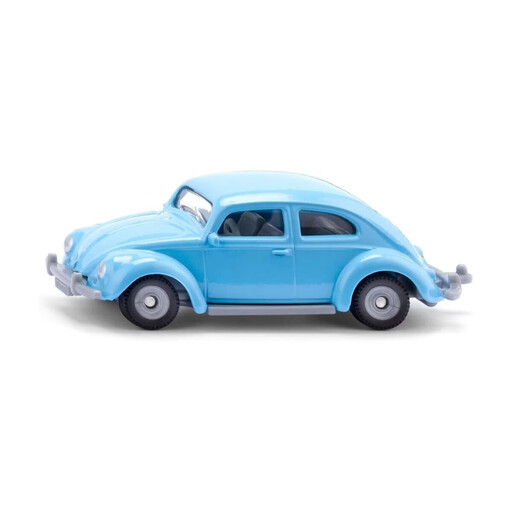
Why It's a Great Fit: A timeless gift that connects generations. The VW Beetle is an automotive icon, making it a nostalgic collector's item for adults and a sturdy toy for children.
Thanks to its robust metal construction, this model is built for longevity and will withstand years of play. Its iconic design is not subject to fleeting trends and retains its appeal.
The faithful reproduction of the Beetle's rounded shapes makes it an attractive decorative object. At the same time, the rubberised tyres provide excellent rolling properties in the playroom.
We've compiled a complete, up-to-date list of products that meet these strict selection criteria and safety regulations.
Both materials have their place. Metal toy cars (die-cast) are generally more durable and resilient, making them a great choice for intensive play. They also have a heavier weight, which many perceive as a mark of quality. Models made purely of plastic can break more easily but often allow for more complex shapes at a lower price. A combination of a metal body with plastic add-on parts often represents a good compromise.
Most models from brands like Siku and Hot Wheels are recommended for children aged 3 and up. This is because they may contain small parts that pose a choking hazard to younger children. It is essential to always check the specific age recommendation from the manufacturer on the packaging and ensure adult supervision for younger children.
The scale indicates the size ratio of the model to the original vehicle. A scale of 1:64 means the model is 64 times smaller than the real car. This information is particularly important for collectors to maintain a uniform size in their collection. For children, the scale is relevant if the car needs to be compatible with existing playsets like parking garages or racetracks.