
Lieferung heute & morgen

Qualitätsgarantie

Willkommens-Angebote freischalten: KOSTENLOSE Lieferung | Bis zu 80 % RABATT | Kostenlose 30-Tage-JoyPlus-Testphase
App herunterladen
The selection of toy cars is vast, ranging from simple wooden cars for toddlers to detailed model cars for collectors. However, this variety can quickly become overwhelming. Those looking for a durable, safe, and genuinely enjoyable product often face a maze of marketing claims. Many buyers discover only after a short time that their expensive purchase has significant flaws.
As your Joybuy Product Recommendation Officer, I'm here to help you spot common pitfalls and make an informed decision. We'll focus on the facts that truly matter.
To avoid a poor purchase, you should examine three core aspects. These objective parameters will help you assess a product's quality, independent of advertising claims.
A robust toy car is typically made from high-quality ABS plastic or, in the case of model cars, a solid metal alloy (die-cast). Look for clean workmanship with no sharp edges or burrs. A reliable indicator of compliance with European safety standards is the CE marking. It signals that the product meets fundamental health and safety requirements. For children's vehicles, non-toxic paint is also essential.
The manufacturer's age recommendation is not just a suggestion but a critical safety notice. The warning "Not suitable for children under 36 months" points to the danger of swallowable small parts. For toddlers, larger, robustly constructed vehicles for children with no detachable parts are the right choice. Check that battery compartments are securely screwed shut to prevent children from accessing the batteries.
Consider who the car is for and how it will be used. The range is extensive:
Based on these objective criteria, we have selected a few models for different user profiles.

Why This Fits Their Persona: Ideal for toddlers making their first auditory and tactile experiences with vehicles. The soft, large cubes are safe to handle and promote motor skills without posing a risk.
This product sidesteps the trap of superfluous features by offering simple, robust sound electronics directly linked to the play experience. The soft fabric material eliminates the risk of brittle plastic.
Promotes auditory perception and sound association. The battery compartment is child-proof and screwed shut.
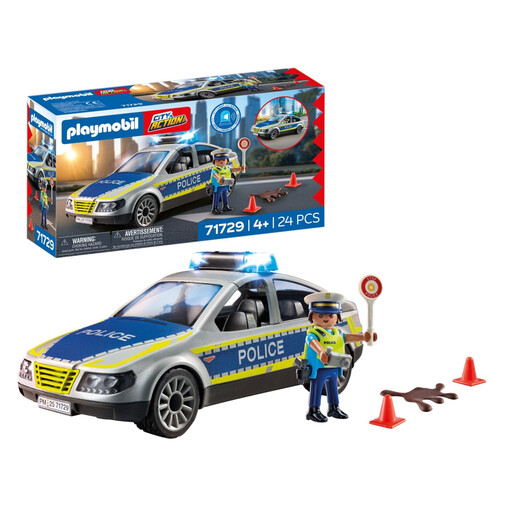
Why This Fits Their Persona: Perfect for children who love to role-play as everyday heroes and create their own stories. With a figure and accessories, the set provides an immediate entry into imaginative worlds. An ideal gift for boys and girls.
PLAYMOBIL is known for its robust, durable plastic, thus avoiding the flimsy materials trap. The features are purely mechanical (e.g., removable roof) and therefore not prone to defects.
Encourages creativity and social role-playing. The vehicle can be combined with other PLAYMOBIL worlds, increasing its long-term play value.
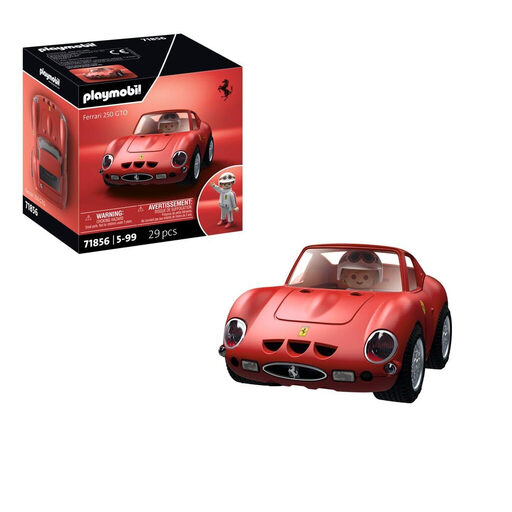
Why This Fits Their Persona: Appeals to older children and adult car enthusiasts who value iconic design and brands. It's a high-quality display piece that is also robust enough for play.
This model focuses on authentic design and high-quality workmanship instead of short-lived electronic gimmicks. Its quality justifies the price, making it a durable investment, not a disposable item.
A detailed replica of an automotive legend. The removable roof enhances both its play and display value.
We have compiled a complete, up-to-date list of products that fully meet these strict selection criteria and safety standards.
For toys for children aged three and up, durability is crucial. The vehicle should withstand falls without parts breaking off. Check that there are no swallowable small parts. The wheels should be firmly attached. Simple, mechanical functions are often preferable to electronic effects, as they are less prone to failure and easier for a child to understand.
The main difference lies in purpose and level of detail. A toy car is primarily designed for active, often rough, play. The focus is on play value and durability. A model car, on the other hand, is an exact, to-scale replica of a real vehicle. Here, the emphasis is on detail, authenticity, and material quality (often die-cast metal). Model cars are often aimed at collectors and are less suitable for rough play.
Vehicles made of pure plastic without stickers or electronics can often be cleaned under running water with mild soap. For models with electronics, like a remote-controlled car, you must never submerge them in water. Instead, use a slightly damp cloth to wipe the surface. Always follow the manufacturer's care instructions to avoid damage.