
Lieferung heute & morgen

Qualitätsgarantie

Willkommens-Angebote freischalten: KOSTENLOSE Lieferung | Bis zu 80 % RABATT | Kostenlose 30-Tage-JoyPlus-Testphase
App herunterladen
Toy cars are among the most versatile gifts for children and adult model enthusiasts. The choice ranges from simple die-cast cars and LEGO racing cars to remote-controlled cars with drift and stunt features. That variety can make choosing the right one tricky, though: a vehicle may look sturdy in photos but be unsuitable for the way it’s meant to be used.
The most important thing is not to focus solely on the design or advertised speed. Age suitability, materials, drive system, spare parts and battery requirements, and where the car will be used all matter.
A drift car or stunt car needs plenty of space and a suitable surface. Some models have limited performance on carpet, while smooth floors such as parquet or tiles allow them to spin quickly. A toy off-road vehicle with treaded tyres, on the other hand, is better suited to a garden, patio or flat path. Before you buy, think about whether the car will mainly be used in a child’s bedroom or outdoors.
Small parts, powerful motors and complex remote controls aren’t suitable for every child. Toy cars for children aged 3 and over should be chosen in line with the product information. Models with small components, lithium batteries or complex controls are often intended for older children. The manufacturer’s age recommendation is therefore more than a marketing detail: it’s an important guide to safe use.
When buying an RC car for a child, it’s easy to focus only on how it drives. Battery type, charging accessories, batteries for the remote control and charging instructions are important too. For example, the 1:18 4WD off-road truck includes a 7.4 V lithium-ion battery, while the remote control requires three AA batteries. These details affect the total cost of ownership and how quickly the car is ready to use.
Vehicles with small parts that could be swallowed aren’t suitable for children under three. Even with toy cars for children aged 3 and over, it’s worth checking the doors, wheels, trailers and any decorations that could come loose. LEGO Technic cars and LEGO racing cars also have a high number of individual pieces to consider. According to the product information, the LEGO Technic Ferrari FXX K contains 897 pieces and is intended for fans aged 10 and over.
For model cars, scale and materials affect how they can be used. A Siku model in 1:55 scale is compact and well suited to imaginative play. The Siku BMW i8 model in 1:50 scale has a metal body with plastic parts and measures approximately 8 cm long, according to the product information. For collector’s cars, presentation details such as an acrylic cover, a stand and a precise paint finish matter more than durability during play.
The CCA 1:43 McLaren F1 Australian Grand Prix Edition Race Car has a die-cast body, a display base and an acrylic cover. According to the product information, it’s intended for people aged 14 and over and adult collectors. It’s better suited to display than to everyday racing.
When choosing a remote-controlled car, consider the difference between 2WD and 4WD, as well as the motor type, remote-control frequency and driving features. A 4WD model may have an advantage on uneven surfaces, but it needs enough space and should be used responsibly. A 2.4 GHz remote control is useful if you plan to operate several vehicles at the same time, as it’s designed to keep their signals separate.
Extra features such as LED lights, music, gesture control or 360-degree turns add to the fun, but they won’t necessarily suit every child. The more features a car has, the more important it is to have straightforward controls, sturdy wheels and a safe place to store the battery.
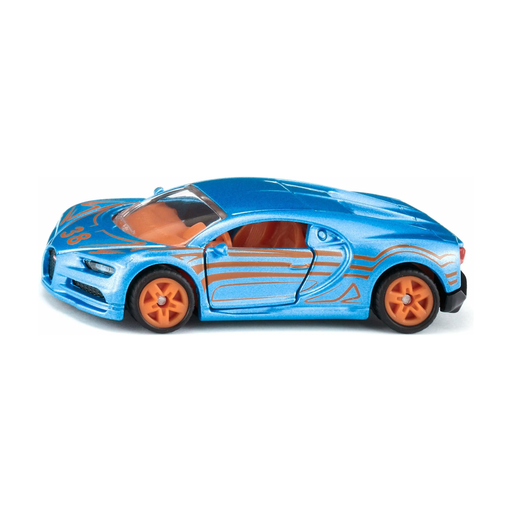
Why it suits this profile: This push-along model needs no batteries and is suitable for children aged 3 and over, as well as simple imaginative play.
There’s no charging time or battery cost. The product information lists a metal body, rubber tyres and opening doors.
Compact size, manual play and functional doors; no assembly required.
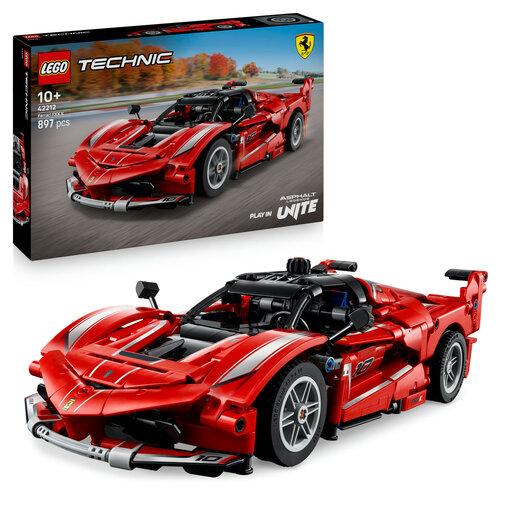
Why it suits this profile: This building set combines a detailed racing car model with technical features, making it suitable for fans aged 10 and over.
The product description lists specific features, including moving pistons, a differential, an engine cover and butterfly doors. The piece count and age recommendation are clearly stated.
897 pieces, technical components and a model that can also be displayed once built.
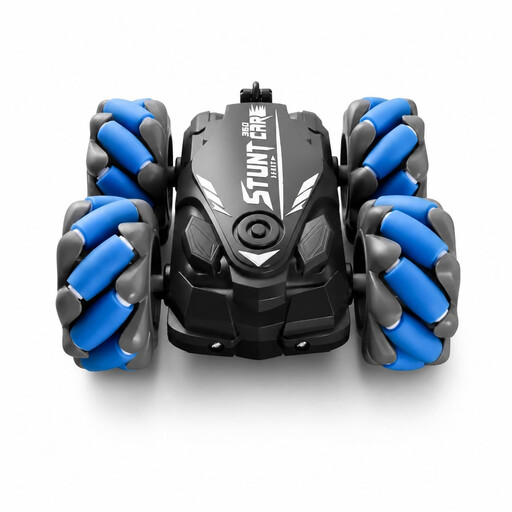
Why it suits this profile: This 4WD stunt car is designed for children aged 8 and over. It offers both remote and gesture control for varied indoor and outdoor play.
The product information lists a rechargeable battery, 2.4 GHz control and abrasion-resistant Mecanum wheels. Check the body and wheels before each use.
360-degree turns, sideways drifting, double-sided driving and two control options; suitable for flat floors and paved paths.
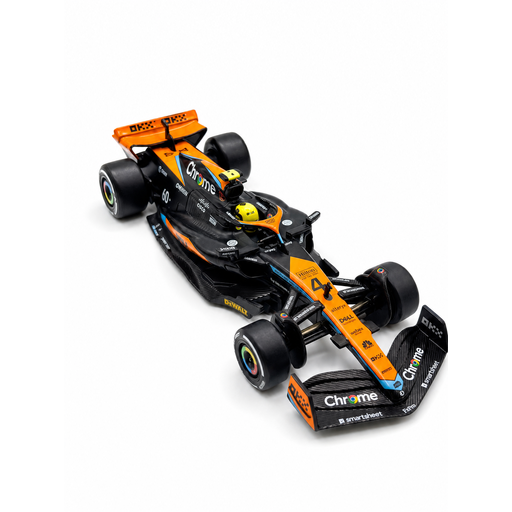
Why it suits this profile: According to the product information, this model is intended for people aged 14 and over and comes with a display solution for a desk or cabinet.
Its purpose as a collector’s model is clear from the 1:43 scale, die-cast body, stand and acrylic cover.
Metal body, racing livery and a transparent dust cover for display.
Manual model cars can usually be cleaned with a soft, slightly damp cloth. After use, remove water, sand and dirt from RC cars, unless the specific model is expressly designed for those conditions. Charge batteries according to the manufacturer’s instructions and don’t leave them connected to the charger indefinitely. A damaged body, loose wheels or exposed wires are reasons to stop using the vehicle.
LEGO models are best stored in a dry, dust-free place away from direct sunlight. For collector’s cars, a stand and acrylic cover help protect against dust, but they don’t replace careful handling.
We’ve put together a complete, regularly updated list of products that meet these strict selection criteria and fully comply with the safety regulations in force in the EU.
Look for models with a clear age recommendation of 3 and over, sturdy wheels and as few detachable small parts as possible. Siku models such as the Bugatti Chiron and BMW i8 can be operated manually and don’t need batteries. Check the relevant warnings before buying and before giving the car to a child.
Age recommendation, remote control, battery, charging accessories, play environment and supervision are all important. Simple controls are a good choice for younger children. Stunt models with gesture control or several driving modes are often intended for older children and need plenty of clear space.
Toy cars are designed for active imaginative play and regular driving. Collector’s cars, such as a 1:43 racing car model, are mainly intended for display. Scale, materials, paint finish, stand and protective cover are key considerations, while impact resistance and ease of use are less important.