
Lieferung heute & morgen

Qualitätsgarantie

Willkommens-Angebote freischalten: KOSTENLOSE Lieferung | Bis zu 80 % RABATT | Kostenlose 30-Tage-JoyPlus-Testphase
App herunterladen
Toy cars for children should do more than look good. They should suit your child’s age, where they’ll be playing and how they like to play. There are clear differences in materials, features and safety requirements between small metal models, large construction vehicles and licensed vehicle sets.
Three common buying mistakes are particularly likely to lead to the wrong purchase:
For children aged three and over, the “3+” label is a useful first guide. However, it doesn’t mean that every component is suitable for younger children. Small figures, trailers, hooks or detachable accessories could be swallowed. Sets such as the PLAYMOBIL ESA Mars Exploration Rover are specifically labelled as containing small parts and requiring supervised use. According to the manufacturer, the model is intended for children aged 4 and over.
Simple, manually operated vehicles with an easy-to-grip body are often a good choice for children aged 3 to 4. Older children may enjoy vehicles designed for role play, with figures, research equipment or moving parts.
ABS plastic, metal bodies and soft plastic tyres are common materials. The material itself isn’t the only thing that matters; the quality of the finish is important too:
According to the product information, the Dreamora tipper truck is made from ABS plastic, has rounded edges and features a movable tipping bed. Check the hinges and tipping mechanism for cracks or damage before each use.
Branded products may also list safety information such as EN 71, CE or material declarations. The product information for the PLAYMOBIL Mars Rover lists EU REACH, RoHS and EN 71 requirements. Always check the relevant product label or manufacturer information for these details.
A vehicle with a pull-back motor, push-along feature or free-wheeling wheels doesn’t need batteries. This keeps ongoing costs down and means your child can start playing straight away. For models with lights and sounds, check whether batteries are included, how to replace them and whether the features can be switched off.
Size matters too. The SIKU lorry with tipping trailer is around 15.2 cm long, so it’s easier to fit into a toy box. According to the description, the Dreamora tipper truck is about 59.69 cm long, making it better suited to larger play areas, a child’s bedroom or the sandpit. If you’re choosing a construction toy for outdoor play, easy-to-clean surfaces and protected moving parts are also worth considering.
The toy vehicles below cater to a range of interests, from construction sites and the police to space and imaginative role play. Our selection is based on the features, materials, dimensions and age recommendations listed for each product.
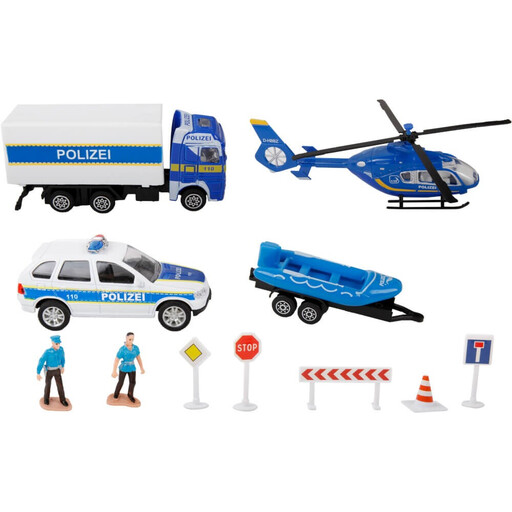
Why it suits this profile: This three-piece set includes a selection of service vehicles for creating your first city scenes. According to the product information, it’s suitable for children aged 3 and over.
The vehicles are pushed by hand and don’t need batteries. Their compact size of around 7 to 9 cm makes them easy to store.
A metal and plastic construction, moving features and three different types of vehicle in one set.
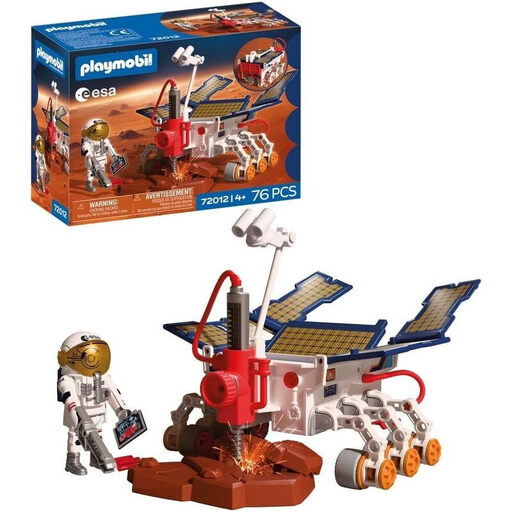
Why it suits this profile: The rover brings a space theme to a 76-piece play set. According to the manufacturer, it’s designed for children aged 4 and over.
The product information includes material and safety declarations, as well as a clear age recommendation. As the set contains small parts, be sure to follow the supervision guidance before buying.
A folding rover, moving camera, drilling function, seven folding solar panels and an integrated analysis lab. According to the product information, batteries aren’t required.
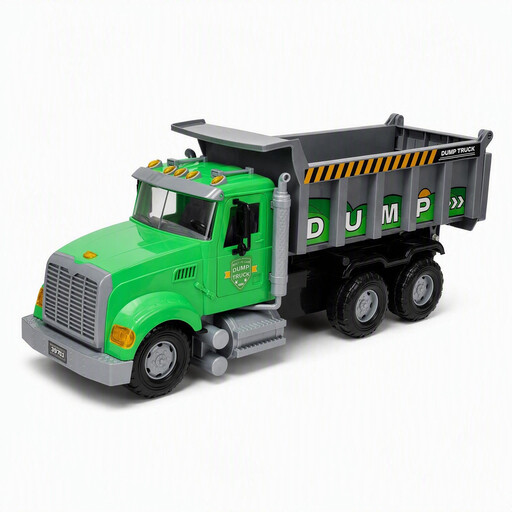
Why it suits this profile: This large construction vehicle toy is designed for indoor play, sandpits and carrying small items.
The size and storage space required are clearly stated. The vehicle has a friction-powered drive and doesn’t need batteries, but it should be cleaned and checked for damage after playing in the sand.
A lifting tipping bed, large off-road tyres, ABS plastic and a length of around 59.69 cm.
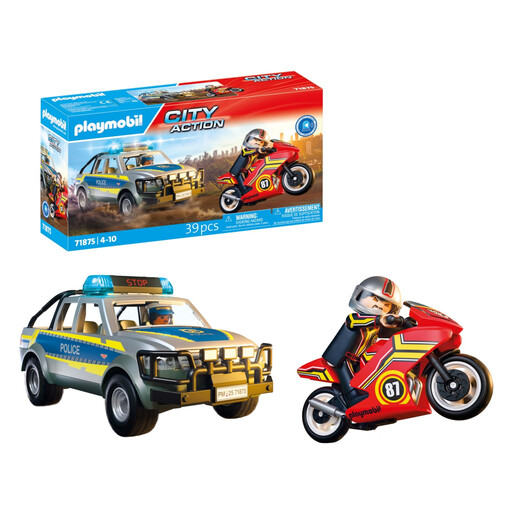
Why it suits this profile: This police toy car is aimed at children aged 4 and over who want to recreate chase and rescue scenarios with several figures.
The set’s 39 pieces and age recommendation are clearly listed. As it contains small parts, adult supervision is important.
A pick-up for up to four figures, a motorbike, detachable accessories, a folding transport rack, plus lights and a siren according to the product description.
We’ve put together a complete, regularly updated list of products that meet these strict selection criteria and the safety regulations in force in the EU.
After playing in the sand, remove any sand and dust from the wheels, axles and moving parts. A dry or slightly damp cloth is enough for most models. Harsh cleaning products can damage paintwork and plastic surfaces.
Store toy cars somewhere dry and away from direct heat. Check models with tipping beds, trailers or hooks regularly. Cracks, loose wheels or sharp broken edges are signs that the vehicle shouldn’t be passed on to anyone else.
Look for models with a clear age recommendation of 3+, sturdy wheels and as few detachable small parts as possible. For sets with figures or accessories, follow the manufacturer’s supervision guidance.
Yes, if your child wants to push, pull or use pull-back cars independently. They have no ongoing battery costs and are ready to play with straight away. Models with lights and sounds may be a better fit for certain kinds of role play, but they need an additional power source.
It depends on where they’ll be playing. A large toy tipper truck is well suited to the floor, garden or sandpit, but it needs plenty of space. Small metal models or Paw Patrol vehicles are easier to take along and combine with other children’s vehicles. The key things to consider are age, storage space, material, features and the kind of play your child enjoys.