
Lieferung heute & morgen

Qualitätsgarantie

Willkommens-Angebote freischalten: KOSTENLOSE Lieferung | Bis zu 80 % RABATT | Kostenlose 30-Tage-JoyPlus-Testphase
App herunterladen
Toy cars for children come in a range of styles, from simple friction-powered vehicles and remote-controlled cars to LEGO sets, model cars and powered go-karts. Choosing one may seem straightforward, but some product details can lead to the wrong purchase. What matters isn’t having the most features, but finding the right combination of recommended age, where it will be used, controls, materials and maintenance requirements.
A vehicle may be approved for a particular age group but still require precise handling. A fast RC car with proportional steering can be more challenging for beginners than a model with just a few buttons. For younger children, simple friction-powered cars or sturdy vehicles without small parts are often easier to manage.
The age guidance on the packaging doesn’t replace an assessment of your child’s individual abilities. Small parts, battery compartments and lithium batteries need particular attention. Products with parts that could be swallowed are not suitable for children under three.
A high-speed remote-controlled car needs plenty of space and a suitable surface. Indoors, furniture, walls and delicate flooring can quickly become a problem. Compact models with controllable speeds are a better choice for indoor use. Larger RC cars, an RC stunt car or a drift car for children are better suited to the garden or flat tarmac.
Look for specific details such as top speed, range, running time and charging time. A long charging time and short running time can be disappointing in everyday use, especially if several children want to take turns.
For battery-powered toy cars, check whether rechargeable batteries, a USB cable or standard batteries are included. Some remote controls need extra AAA or AA batteries. Replacement tyres, chargers and compatible rechargeable batteries can also add to the ongoing cost.
A LEGO racing car or classic model car usually has no running costs. Instead, think about build time, storage and handling small parts. A metal collector’s car is better suited to gentle play or display than regular use on carpets and outdoor surfaces.
For toy cars for ages 3 and up, the manufacturer’s guidance and warnings should match the product’s design. A Siku model may have doors or small wheels as part of its design, so check the warnings provided. RC cars also have moving parts and batteries to consider.
Follow the instructions when charging lithium batteries and make sure there is suitable supervision. Children should not open or modify batteries, or charge them unsupervised.
A 2.4 GHz system provides a stable radio connection on many RC models and is handy if you have several cars in the same household. Extra features such as four-wheel drive, sideways movement or 360-degree turns add to the fun, but need space.
Before you buy, check:
Metal bodies give model cars a sturdy feel and are often well suited to display. ABS plastic, on the other hand, is lightweight and allows for more flexible shapes. For a toy racing car, check for rounded edges, sturdy wheels and a securely closed battery compartment.
Size matters, too. A large electric go-kart for children needs a flat outdoor area and plenty of storage space. A small model car or flexible race track is easier to use in a child’s bedroom or take on trips.
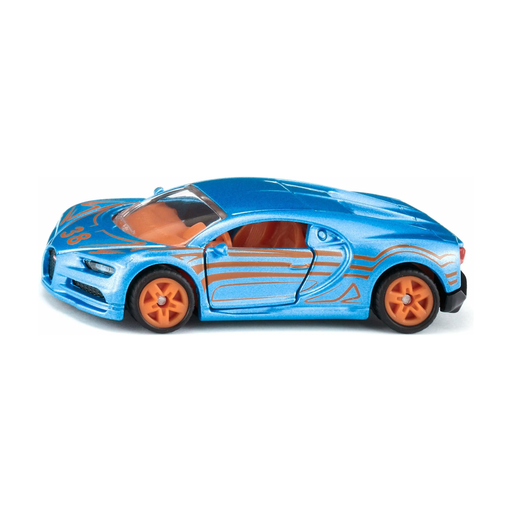
Why this product suits this profile: This compact friction-powered car needs no batteries and, according to the product details, is suitable for children aged three and up. It’s an easy choice for playing on flat surfaces.
There’s no charging time or extra rechargeable batteries to buy. The product details also state that it’s compact and doesn’t need assembling.
Metal body, rubber tyres, opening doors and friction drive; great for play or as a small collector’s item.
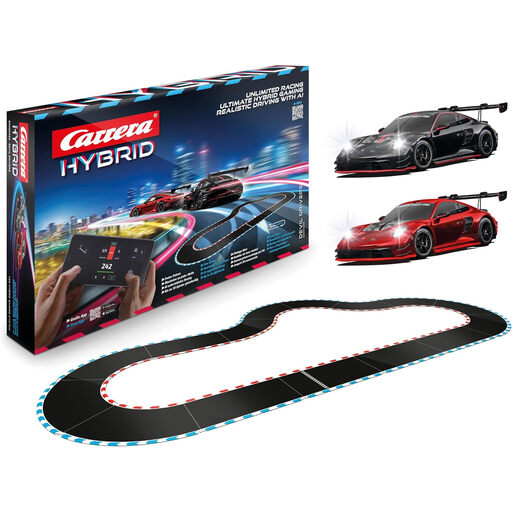
Why this product suits this profile: According to the product details, this set is designed for ages 12 and up. It combines 1:50 scale Porsche models with app control, a rechargeable battery and a race track.
The product description lists the rechargeable battery, USB charging cable, app connection and exact dimensions. This makes it easier to assess the space and accessories you’ll need before buying.
Flexible race track, smartphone or tablet control, virtual settings and multiplayer racing for up to 16 drivers, according to the product details.
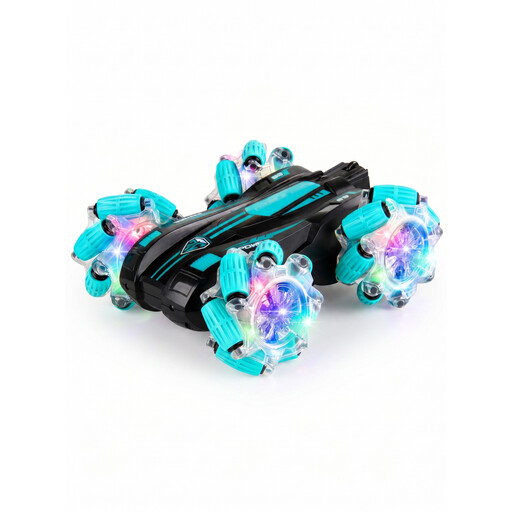
Why this product suits this profile: This RC stunt car is designed for spins, sideways drifting and driving on both sides. It’s a good fit for children and teenagers who want to practise the same manoeuvres on a range of flat surfaces.
The description lists four-wheel drive, Mecanum wheels, LED lights and a rechargeable battery. This makes the car’s features and power requirements clear.
Drive on both sides, make 360-degree turns, move sideways and light up the wheels. The product description says it’s suitable for indoor and outdoor use.
We’ve put together a complete, regularly updated list of products that meet these strict selection criteria and the applicable EU safety regulations.
Models with a 2.4 GHz remote control, straightforward buttons and moderate speeds are usually easier for beginners to use. A simple RC car without complex stunt features can make a good introduction. Younger children should be supervised by an adult.
Running time depends on battery capacity, driving style, surface and the car’s weight. Treat the manufacturer’s figures as a guide, and check the charging time and whether a spare battery is available. Always follow the manufacturer’s charging instructions for lithium batteries.
Yes, as long as the age guidance and intended use are right. A simple friction-powered model car is better for play, while a detailed collector’s car or LEGO racing car may suit older children, teenagers and adult motorsport fans. Compare the scale, small parts, materials and intended use as a display piece before buying.