
Lieferung heute & morgen

Qualitätsgarantie

Willkommens-Angebote freischalten: KOSTENLOSE Lieferung | Bis zu 80 % RABATT | Kostenlose 30-Tage-JoyPlus-Testphase
App herunterladen
By a Joybuy Product Recommendation Officer Published on August 28, 2026
Finding the right toy car can be a challenge. Whether it's a gift for a child or an addition to your own collection, the selection is vast. But not every model lives up to its promise. Many buyers are disappointed when a supposed gem turns out to be short-lived. This guide will help you identify common pitfalls and make an informed decision.
Before you make a purchase, it's helpful to know the three most common flaws that lead to frustration and unnecessary expense.
To avoid the problems mentioned above, you should look for three essential features. These define the quality and longevity of a model.
The choice of material is crucial for robustness. Models with a die-cast metal chassis, often referred to as metal cars, offer significantly higher stability and a satisfying weight compared to all-plastic vehicles. A combination of a sturdy metal body and detailed add-on parts made of high-quality plastic, as is common with Siku cars, often represents an excellent compromise. Look for clean finishing with no sharp edges.
For collectors and detail-oriented children, the accuracy of the replica is a central criterion.
Safety is the top priority, especially for a gift for a child. Always check the manufacturer's age recommendation. Models for children aged three and up often contain small parts that can pose a choking hazard. Look for the warning "Not suitable for children under 36 months". For younger children, more robust models without easily detachable parts, such as a Playmobil car, are often the safer choice.
Here are a few recommendations tailored to different user profiles.

Why It's a Great Fit: Perfect for children who dream of fast cars and exciting races. The iconic design of the Porsche 911 GT3 RS inspires imaginative play scenarios on the living room racetrack.
The sturdy metal body withstands even energetic play, while the solid rear spoiler is firmly attached and won't easily break off.
High level of detail with an authentic racing design, wide body, and opening doors for a realistic play experience.
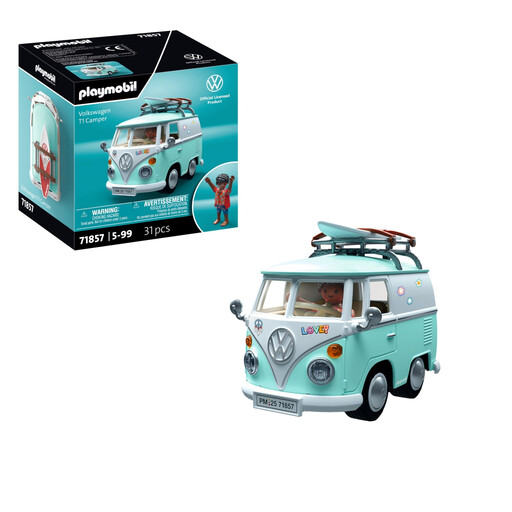
Why It's a Great Fit: This VW bus model is a tribute to an icon. It appeals to both adult collectors who appreciate it as a decorative piece and children who can create imaginative road trip adventures with it.
The model is designed for durability and detail. The authentic two-tone paintwork and the iconic surfboard are high-quality features, not just cheap stickers.
The roof is removable, allowing easy access to the detailed interior and significantly enhancing its value for role-playing.
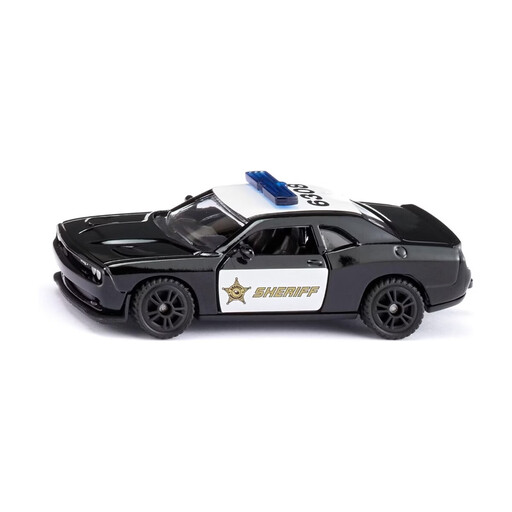
Why It's a Great Fit: This US-style police car toy is perfect for kids who love to re-enact action-packed chases and police operations. The muscular Dodge Challenger sparks the imagination.
The metal body and rubberised tyres ensure durability and excellent rolling performance, even during wild missions on the carpet.
Authentic details like the sheriff livery, opening doors, and a functional trailer hitch expand the play possibilities.
We have compiled a complete, up-to-date list of products that fully meet these strict selection criteria and safety standards.
The main difference lies in their concept and material. Siku cars are typically detailed model cars made from die-cast metal with plastic parts, replicating real vehicles in miniature. They are aimed at children and collectors who value realism. Playmobil car models are part of a larger play system, made from robust plastic, and designed to accommodate Playmobil figures. Here, the focus is more on role-playing than on exact replication.
Most metal cars from Siku are recommended by the manufacturer for children aged 3 and up. This is because they may contain small parts, such as mirrors or lights, which could break off and be swallowed if handled improperly. For younger children, there are special, more robust series with fewer delicate parts. It is always advisable to check the specific age recommendation on the packaging.
To clean detailed model cars, a dry, soft brush or a microfibre cloth is recommended for removing dust. For more stubborn dirt, a slightly damp cloth can be used. Avoid aggressive cleaning agents or immersing the model in water, as this can damage paintwork, decals, and delicate parts.