
Lieferung heute & morgen

Qualitätsgarantie

Willkommens-Angebote freischalten: KOSTENLOSE Lieferung | Bis zu 80 % RABATT | Kostenlose 30-Tage-JoyPlus-Testphase
App herunterladen
Toy cars for children vary considerably in terms of materials, controls, recommended age and type of play. An eye-catching design alone says little about whether a vehicle is suitable for your family’s everyday life. If you choose based solely on lights, music or the largest possible packaging, you will often overlook important details.
A model may already appeal visually to younger children, but small components may mean it is only suitable for ages 3, 6, 8 or 14 and over. With toy cars for ages 3 and over, the safety information on the packaging is crucial. RC stunt cars also include moving wheels, remote controls and rechargeable batteries. The manufacturer’s age recommendation should therefore not be ignored in favour of supposedly earlier use.
Lights, music, gesture control and 360-degree spins may seem attractive at first glance. However, range, charging method, floor surface and the need for spare parts are also relevant when making your choice. A remote-controlled car for children with lots of features may drive differently on a thick carpet than on tiles or a level patio.
A metal model in 1:64 scale is not automatically suitable for intensive play. Small diecast cars with opening doors are sometimes aimed more at collectors or older children. Conversely, larger plastic vehicles may be easier to incorporate into role play. Before buying, you should therefore consider the dimensions, material and intended use together.
Pay attention to the recommended age group and warnings about small parts that could be swallowed. The CE marking indicates that the manufacturer has taken the relevant European requirements into account; however, it does not replace checking the specific product information. Supervision is advisable for younger children, particularly with vehicles featuring accessories, trailers or moving working functions.
With RC vehicles, you should also check whether a rechargeable battery is included, how it is charged and whether the charging accessories are suitable for your household. Lithium batteries must not be opened, left charging unattended for extended periods or exposed to high temperatures and water.
An RC drift car with four-wheel drive may be designed for smooth floors and controlled driving manoeuvres. An RC stunt car with dual-sided driving, Mecanum wheels or a rollover function requires plenty of open space. If you have several vehicles at home, 2.4 GHz control is practical, as multiple models can generally be operated at the same time without manually tuning the channels as with older systems.
You should also check:
Metal bodies with plastic components, as found in many SIKU model cars, offer a different feel from the large plastic vehicles made by Bruder toy vehicles. Opening doors, trailer hitches, loading platforms and movable bodies are appealing for role play. For collectors, scale, level of detail and display size are more important.
A toy fire engine set with several vehicles is ideal for shared play scenarios. A toy construction vehicle with a tipping function, trailer or rotating body, on the other hand, may be more specifically suited to construction-site play. If you are buying a toy car as a birthday present, you should also check whether batteries, charging accessories or small parts are included.
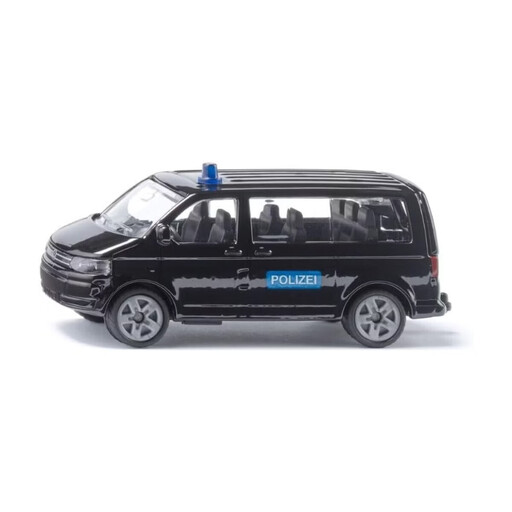
Why this product suits this profile: This compact model is suitable for children aged 3 and over, requires no batteries and can be used at home or on the go.
The product details clearly state the age recommendation, dimensions and material. This makes it easier to compare the model with the intended play area and budget.
Metal and plastic components, opening tailgate, compact dimensions and no batteries required.

Why this product suits this profile: This vehicle combines a 1:16 scale with a movable access platform, four traffic cones and light and sound modules, and is suitable for children aged 4 and over.
Rather than relying solely on visual effects, the focus is on practical play features such as the platform, which can be raised up to 70 cm, and opening cab doors.
Plastic vehicle in 1:16 scale, access platform with horizontally guided basket and batteries included.
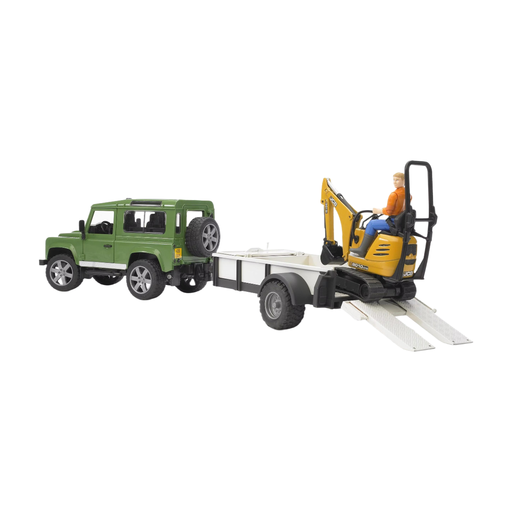
Why this product suits this profile: This set is aimed at children aged 3 and over who want to create transport and construction-site scenarios with multiple components.
The vehicles and functions included are listed individually. This makes it clear exactly what the set contains.
Land Rover Defender, single-axle trailer, rotating JCB micro excavator and compatible bworld figures.
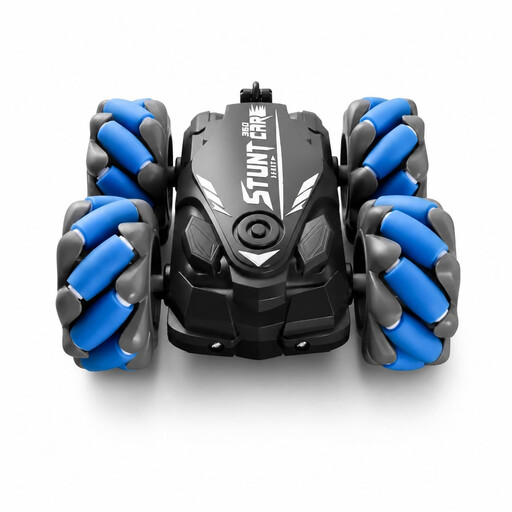
Why this product suits this profile: This RC stunt car is suitable for children aged 8 and over and offers both remote control and gesture control for different preferences.
The details specify the age recommendation, battery type, charging accessories, control modes and suitable surfaces. This makes it easier to assess the product before buying.
2.4 GHz control, four-wheel drive, dual-sided driving, sideways drifting and USB charging cable with integrated lithium battery.
We have put together a complete, regularly updated list of products that fully meet these strict selection criteria and the safety regulations applicable in the EU.
For children aged 3 and over, larger plastic vehicles, simple fire engine sets, SIKU model cars or vehicles with trailers may be suitable, provided the relevant manufacturer’s recommendation confirms this. Particular attention should be paid to small removable parts. For children under 5, supervision is advisable when using highly detailed models.
A remote-controlled car for children aged 8 and over may feature a conventional 2.4 GHz remote control or additional gesture control. Before buying, you should check the available play space, battery charging time, the volume of music functions and whether the car is suitable for indoor or outdoor surfaces. Level areas with few obstacles are better for stunts than confined spaces.
Remove dust and dirt regularly, check the wheels and moving parts, and store the vehicles in a dry place. RC models should be switched off after play, and rechargeable batteries should be charged according to the manufacturer’s instructions. Metal models and diecast cars can usually be cleaned with a dry cloth. If there are cracks, loose parts or damaged cables, the vehicle should no longer be used.