
Lieferung heute & morgen

Qualitätsgarantie

Willkommens-Angebote freischalten: KOSTENLOSE Lieferung | Bis zu 80 % RABATT | Kostenlose 30-Tage-JoyPlus-Testphase
App herunterladen
Toy cars for children come in many forms: simple push-along cars, remote-controlled vehicles, construction kits and highly detailed collector's models. With such a wide selection, making the right choice can be tricky — a vehicle packed with features isn't always suited to a child's age, and a visually detailed model isn't necessarily built for rough-and-tumble play.
LED lights, music, smoke effects, water cannons or gesture control may look appealing in product images. What really matters, though, is whether the child can actually operate those features themselves, and whether they suit the intended play environment. An amphibious RC vehicle, for example, needs suitable shallow water and careful drying after each use.
Small parts, battery compartments and moving wheels can be unsuitable for younger children. The age rating on the packaging doesn't replace adult supervision, especially with remote-controlled cars, charging accessories and LEGO models. The criteria for choosing toy cars for children aged 3 and up are very different from those for a model aimed at teenagers or adults.
Die-cast model cars made from metal and ABS plastic are designed for different purposes. A die-cast model car in 1:43 scale with an acrylic display cover is primarily intended for a cabinet. A vehicle with bumper protection, grippy tyres and friction drive, on the other hand, is far more practical for regular play on the floor.
Always check the recommended age group and any safety warnings first. With LEGO Speed Champions, the models are rated at 9 or 10 years depending on the set; small parts can pose a choking hazard. A LEGO racing car is therefore more of a building and display project than a classic toddler toy.
For toy cars for children aged 8 and up, more complex RC functions can be appropriate. These include 2.4 GHz remote controls, gesture control or stunt features. It's important that the child can control the vehicle in an open space and that fingers stay well away from spinning wheels.
When buying remote-controlled cars for children, shoppers should pay attention to the following points:
An RC stunt car with 360-degree rotation and sideways drift also needs plenty of space. For smaller flats, compact models or simple push-along cars are often a better choice.
ABS plastic is common in toy cars because of its light weight. Metal alloys are frequently used in collectable model cars. The scale helps with comparison: 1:64 is standard for Hot Wheels and Mario Kart vehicles, while 1:43 or 1:36 refers to larger display models.
For any water-related features, read the description carefully. "Water-resistant" is not the same as being suitable for prolonged submersion. After play, the vehicle and any accessories should be dried and cleaned according to the manufacturer's instructions.
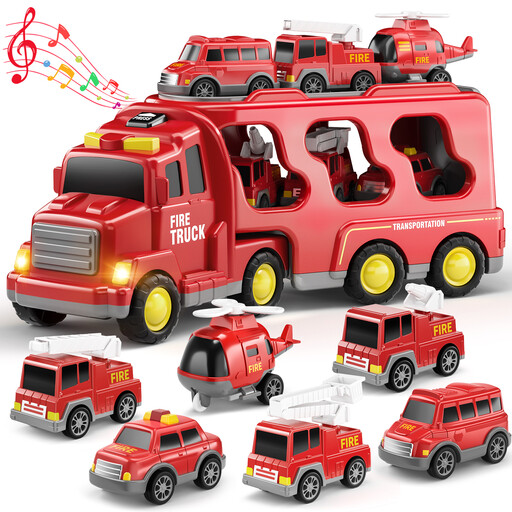
Why this product fits the profile: According to the product information, this 7-in-1 set is aimed at children aged 3 and over, combining a transporter with several small emergency vehicles.
Multiple play variations prevent reliance on just one single feature. Before buying, check the small parts and the age recommendation.
Friction drive, transport function and light and sound elements; suitable for role play both indoors and outdoors.
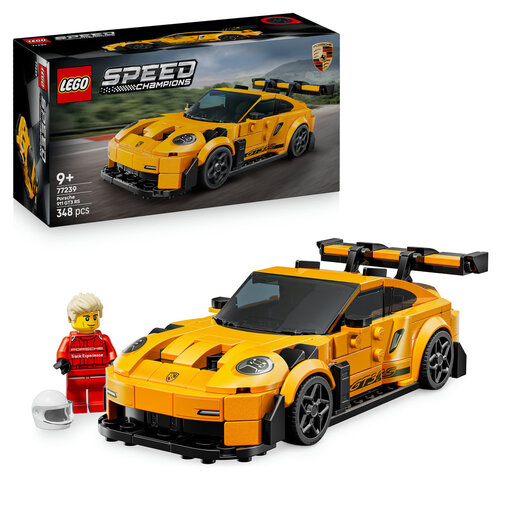
Why this product fits the profile: The construction kit contains 348 pieces, a driver minifigure and several replicated design elements of the Porsche 911 GT3 RS.
The piece count and age rating make the time commitment clear. The model is intended for building and display, not for young children.
Detailed construction kit with racing-inspired features; can be displayed as a model car on a shelf once built.
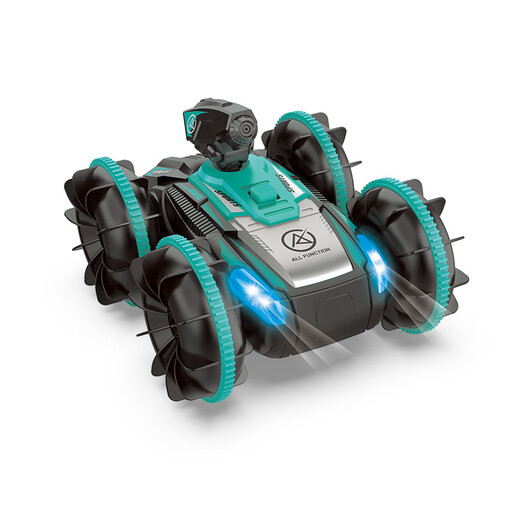
Why this product fits the profile: According to the description, this vehicle is designed for both land and water play, offering remote control and gesture control.
The operating limits should be observed: use only in shallow water, dry after play and check the seals.
4WD, 360-degree rotation, LED lighting and two control modes; the 2.4 GHz connection is designed for multiple vehicles.
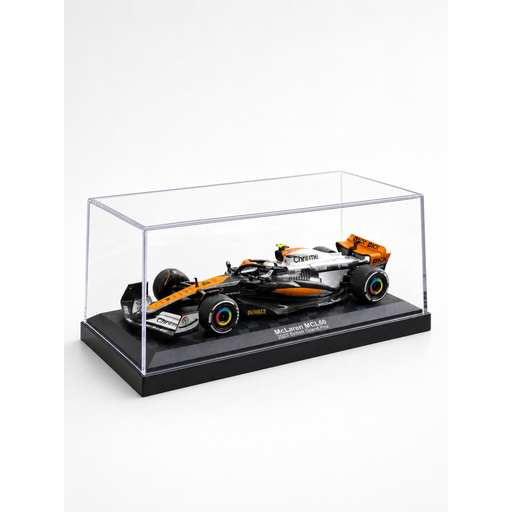
Why this product fits the profile: According to the product information, this 1:43 die-cast model is aimed at teenagers and adults, and comes with a base and transparent acrylic cover.
Its clear focus on display and collecting prevents any false expectation of robust everyday play.
Metal body, display base and acrylic cover; suitable as a gift for car enthusiasts and motorsport collectors.
We've put together a complete, regularly updated list of products that fully meet these strict selection criteria and the safety regulations in force in the EU.
For children aged 3 and over, robust push-along and friction-powered vehicles without hard-to-reach small parts are a good choice. Always check the specific age rating, safety warnings and the stability of any moving parts before buying. A fire engine toy can be suitable thanks to its large, easy-to-grip components and simple functions.
In addition to the purchase price, you may need to factor in batteries, USB charging accessories and replacement parts. Models with a built-in rechargeable battery usually require fewer disposable batteries, although the remote control may still use batteries. Before buying, compare the battery type, charging method and what's included in the box.
The lifespan depends on the material, how often they're used and the surface they're played on. Regular checks of the wheels, body, battery compartment and remote control can help spot damage early. With RC models, protect the battery and electronics from water, heat and improper charging.