
Lieferung heute & morgen

Qualitätsgarantie

Willkommens-Angebote freischalten: KOSTENLOSE Lieferung | Bis zu 80 % RABATT | Kostenlose 30-Tage-JoyPlus-Testphase
App herunterladen
Toy cars are among the most versatile vehicle toys for children. They can roll along, make sounds, become part of a racetrack or help bring whole stories to life with the help of figures. But choosing one isn’t always easy for parents, grandparents and other family members. Product images often show off lots of features, while important details about small parts, batteries or the space needed can be less obvious.
Three common buying mistakes are particularly easy to make:
For toy cars for children aged 1 and over, look for a simple design, large controls and a securely closed battery compartment. According to the product details, the VTech Tut Tut Baby Flitzer Fire Truck and VTech Tut Tut Baby Flitzer Tractor are designed for children aged 1 and over. Both models use two AAA batteries and respond to movement or sensors.
Toy cars for children aged 3 and over and toy cars for children aged 4 and over often come with figures, tools, spare wheels or other accessories. These can add to the role-play fun, but small parts may pose a choking risk. So be sure to read the warnings, age recommendation and supervision guidance together.
It isn’t appropriate to make a blanket claim that a product is safe. Specific information from the manufacturer is more useful. For example, the PLAYMOBIL Offroad Buggy is described as being made from BPA-free plastic and as complying with EU REACH, RoHS and EN 71. The Bruder Range Rover Velar is listed as being made from ABS plastic; according to the product information, no SVHC substances were found above the stated threshold.
When buying, look for:
If a vehicle is second-hand or played with regularly, check the wheels, doors, axles, battery compartment and detachable accessories regularly.
A simple push-along car doesn’t need batteries and can be used almost anywhere. Electronic models make sounds or play tunes, but they need batteries and should be stored somewhere dry. A toy racetrack offers more structured play, but needs a flat surface and enough storage space once playtime is over.
A transporter with toy cars can also combine several functions: storage, transport and racing fun. Before you buy, check how many vehicles are actually included, whether the track folds out and whether the small cars are easy to lose in everyday use.
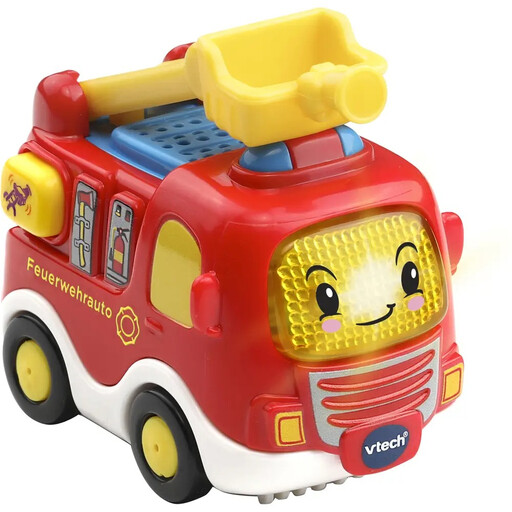
Why this product fits the bill: This compact vehicle is designed for children aged 1 and over, combining push-along play with lights, sounds and a movable ladder.
The age recommendation, battery type and product dimensions are clearly stated, making it easier to decide whether it’s suitable before you buy.
Suitable from 1 year; two AAA batteries are included according to the product details; compatible with the Tut Tut Baby Flitzer playset range.
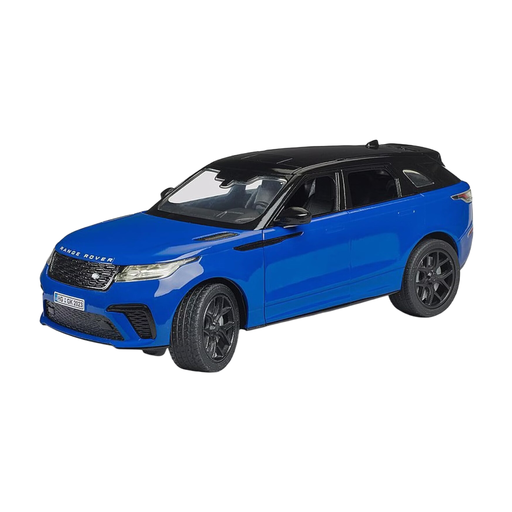
Why this product fits the bill: This scale model is designed for children aged 3 and over, with mechanical features that encourage detailed role play.
The play value comes from features such as opening doors and tailgate, a detachable tow bar and an additional steering rod, rather than batteries or constant sound effects.
Made from ABS plastic according to the product details; no batteries required; 1:16 scale and an accessory connection for Bruder off-road accessories.
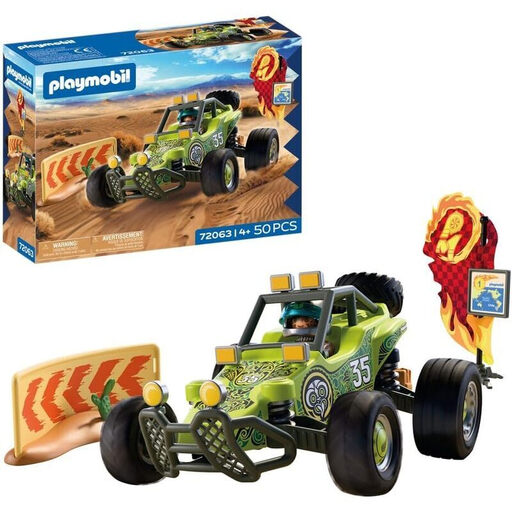
Why this product fits the bill: Designed for ages 4 and over, this set is a good choice for children who want to combine off-road toys, racing scenarios and plenty of accessories.
The product description lists specific features rather than making vague claims: rear-wheel suspension, a spare wheel, tool accessories and a racing barrier.
No batteries required; 1 racing driver figure; accessories include a spare wheel, tools, walkie-talkie and fennec foxes; click-together system requires no tools.
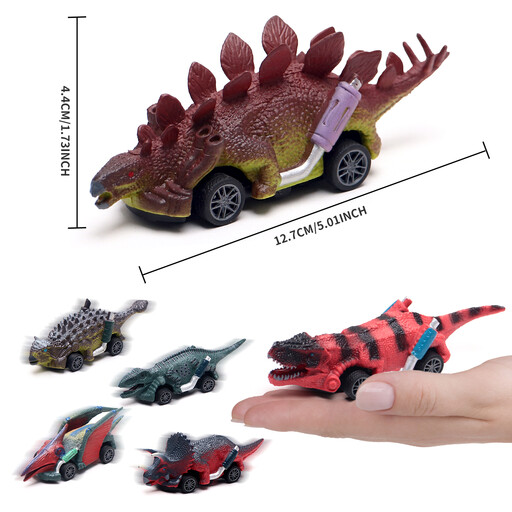
Why this product fits the bill: This set pairs dinosaur toy cars with a battery-free pull-back mechanism and is recommended for children aged 2 to 6 according to the product details.
There’s no need for a charger or batteries. However, be sure to check the warning about small parts before buying, especially if the child is under 3.
Six different dinosaur vehicles; battery-free pull-back mechanism; rounded corners according to the product description.
We’ve put together a complete, regularly updated list of products that meet these strict selection criteria and fully comply with the safety regulations in force in the EU.
When choosing a vehicle toy as a gift for a child, the occasion shouldn’t be your only consideration. For a birthday, compact individual cars, dinosaur sets or a PLAYMOBIL vehicle are usually easier to wrap and store. A larger transporter with several vehicles or a racetrack is a better fit when there’s enough space to play.
For children aged 4 and over, PLAYMOBIL vehicles such as the Offroad Buggy, the Mars Exploration Rover set or the pirate ship can suit a range of interests. The PLAYMOBIL Brachiosaurus set combines a floating hovercraft with a dinosaur story. For these sets, consider the time needed to assemble them, any small parts and the recommended supervision.
Choose models with an age recommendation of 1 and over, large controls and a securely closed battery compartment. Electronic vehicles such as the VTech Tut Tut Baby Flitzer can combine lights, sounds and movement. Always follow the specific warnings for the product you’re considering.
How long they last depends on the materials, how often they’re played with and how well they’re cared for. Battery-free vehicles have fewer electronic components, while sound and light-up models also need their battery compartments and contacts checked. Damaged wheels, broken parts or loose small pieces are all reasons not to pass a vehicle on to someone else.
A fully mechanical racetrack usually has no battery costs. Electronic racetracks or vehicles, on the other hand, need batteries, so check the quantity, type and what’s included. You should also factor in storage space, extensions and possible replacement parts when working out the total cost.