
Lieferung heute & morgen

Qualitätsgarantie

Willkommens-Angebote freischalten: KOSTENLOSE Lieferung | Bis zu 80 % RABATT | Kostenlose 30-Tage-JoyPlus-Testphase
App herunterladen
The choice of toy cars for children ranges from simple metal vehicles to remote-controlled stunt cars with rechargeable batteries, lights and music. This variety is exactly what makes buying a challenge: a vehicle may look versatile in product images, yet prove too small, too delicate or unsuitable for the child’s age in everyday use.
Parents, grandparents and other family members should pay particular attention to three common buying and marketing pitfalls:
For children aged 3 and over, robust toy vehicles without complex controls are often suitable, such as a SIKU car, an emergency vehicle or a simple construction vehicle. According to the product information, SIKU models such as the VW T5 Special Forces, the McLaren Senna and the VW Beetle ADAC are intended for children aged 3 and over. At the same time, the information points out that they may contain small parts and therefore pose a choking hazard.
The age recommendation should also be checked carefully for an RC car. According to its product description, the Dreamora CV-D500-2 is intended for children aged 8 and over. The model combines remote control and gesture control, features an integrated lithium battery and performs 360-degree spins as well as sideways drifting. For younger children, traditional, slower controls may be easier to understand.
The term 4WD RC car refers to four-wheel drive. On its own, however, it does not indicate which surfaces the vehicle can drive on reliably. Mecanum wheels can enable sideways movement and spins, but they require sufficient space. Therefore, check the following:
Depending on the design, a drift car with two sets of tyres allows you to switch between drift and racing tyres. This can be useful if a child wants to try both controlled driving and stunts. For small rooms, a compact model with limited speed is generally easier to handle.
In metal cars, the body and chassis are often made from a combination of metal and plastic. A diecast model car is generally intended for rolling and collector’s play, rather than demanding stunts. Opening doors, scale and free-wheeling wheels are specific features that can be checked before buying.
For RC models, the type of battery and charging method are crucial. According to the product information, the Dreamora model and the 1:24 GTR 4WD RC Drift Car feature a rechargeable lithium battery and USB charging. The GTR model is also listed as having two sets of tyres, with a stated play time of around 20 to 40 minutes per charge. Battery-powered toys should be supervised while charging, disconnected from the power supply once fully charged and stored in a dry place. A lithium battery must not be opened or repaired yourself.
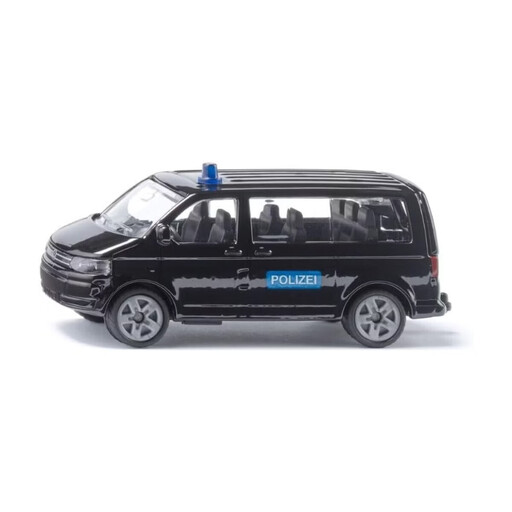
Why this product suits the profile: The compact model needs neither batteries nor charging accessories and, according to the product information, is suitable for children aged 3 and over as well as for role play on the go.
The product data specifies the materials, dimensions, age recommendation and that no batteries are required. This keeps ongoing costs manageable.
Metal-and-plastic construction, opening tailgate and compact dimensions of approximately 8.5 × 3.5 × 3.2 cm.

Why this product suits the profile: According to the product information, this model is aimed at teenagers aged 14 and over and adults who value scale, metal construction and display details.
The age recommendation of 14 and over prevents it from being confused with a toy for young children. The product description also specifies the opening doors and pull-back function.
1:36-scale metal model, two opening doors and pull-back drive for short driving sequences.
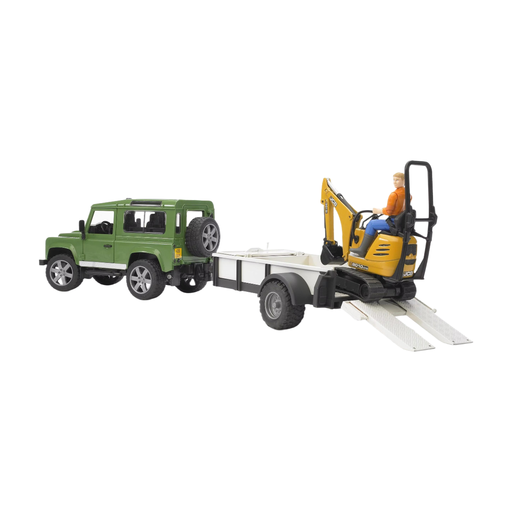
Why this product suits the profile: This set combines a vehicle, trailer, excavator and toy figure to create an extensive construction-site scenario for children aged 3 and over.
Rather than promoting just one feature, the included components and moving elements are listed clearly. According to the product information, batteries are not required.
1:16 scale, opening doors, rotating excavator chassis and a trailer with an opening tailgate.
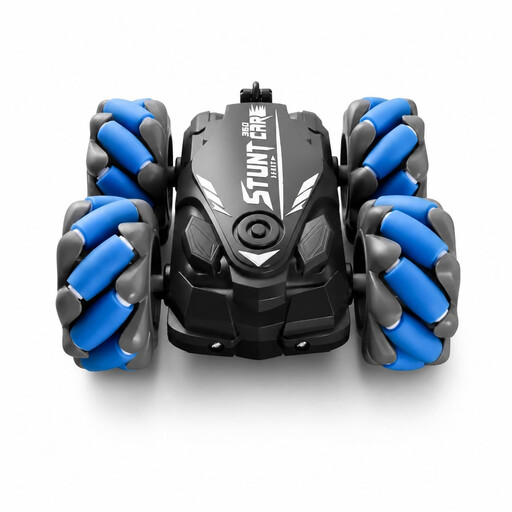
Why this product suits the profile: According to the description, this RC stunt car is intended for children aged 8 and over. It offers both remote control and gesture control for different ways of operating it.
The technical specifications state that it uses 2.4 GHz operation, an integrated battery and a USB cable, and that supervision is required while charging. This makes it easier to plan how the toy will be used.
4WD drive, two-sided driving, sideways drifting, 360-degree spins, colourful lighting and music.
We have put together a complete, regularly updated list of products that fully meet these strict selection criteria and the safety regulations applicable in the EU.
For a gift for children aged 3 and over, emergency vehicles, ambulances, Hot Wheels cars and construction vehicles are often straightforward choices because they need no charger and can be incorporated directly into role play. Parents should nevertheless watch out for small parts in compact metal models and supervise younger children.
For teenagers and adult car enthusiasts, on the other hand, options include a 1:36-scale BMW M3, a McLaren set in four colours or a SIKU model. Product information about scale, materials and age helps distinguish clearly between a toy and a collector’s item.
This depends on the controls, speed, vehicle size and small parts. According to the product information, the RC stunt cars mentioned are intended for children aged 6 and 8 and over respectively. The manufacturer’s age recommendation on the product and packaging should be the deciding factor. With younger children, adult supervision during play and charging is advisable.
The running time depends on the battery, driving style, surface and temperature. The 1:24 GTR 4WD RC Drift Car is stated to run for around 20 to 40 minutes per charge. Before buying, shoppers should check whether a USB cable is included, how long charging takes and whether a replacement battery is available.
A model car generally places greater emphasis on scale, materials and details such as opening doors. A toy car is more focused on role play, robust handling or additional features. A diecast model car for ages 14 and over is therefore not automatically suitable for a child aged 3 and over. The age recommendation, warnings and intended use should always be considered together.