
Lieferung heute & morgen

Qualitätsgarantie

Willkommens-Angebote freischalten: KOSTENLOSE Lieferung | Bis zu 80 % RABATT | Kostenlose 30-Tage-JoyPlus-Testphase
App herunterladen
The selection of toy cars is vast and can quickly become overwhelming. Whether for your own child, as a gift, or for your personal collection, choosing the right model isn't always easy. Many products overpromise and underdeliver, leading to disappointment and wasted money. This guide will help you spot common purchasing traps and make an informed choice.
As a Joybuy Product Recommendation Officer, I analyse market data to provide you with objective, practical advice that goes beyond pure marketing hype.
Before focusing on the positive features, it's wise to understand the most common flaws that often only become apparent after the purchase.
To avoid these pitfalls, you should check three central criteria. These will help you assess the quality and true value of a toy car.
The choice of material is crucial for durability and safety. A metal toy car, often made of die-cast zinc, offers high stability and a satisfying weight that is appreciated by children and collectors alike. Brands like Siku cars are known for their robust metal bodies. Look for a clean paint job and rounded edges. High-quality plastic, like that used in Playmobil car models, is also a good choice as it is flexible, shatterproof, and specifically designed for safe handling by children.
The features should match the child's age and interests. For toddlers, simple push-along vehicles or dinosaur cars with a pull-back motor are ideal. Older children enjoy more details and interactive options, such as a police car toy with opening doors or a racing car toy with an authentic design. A toy is successful when its features stimulate the imagination rather than restricting it with predefined sequences.
For collectible model cars, being true to scale and having a high level of detail are essential. The scale (e.g., 1:50 or 1:87) indicates the size ratio to the original vehicle and is crucial for comparability within a collection. Fans of classics like a VW camper van toy value authentic paintwork, correct rims, and detailed interiors. These models often serve not only for play but also as decorative objects.
Here are some recommendations tailored to different user profiles that meet the quality criteria mentioned above.
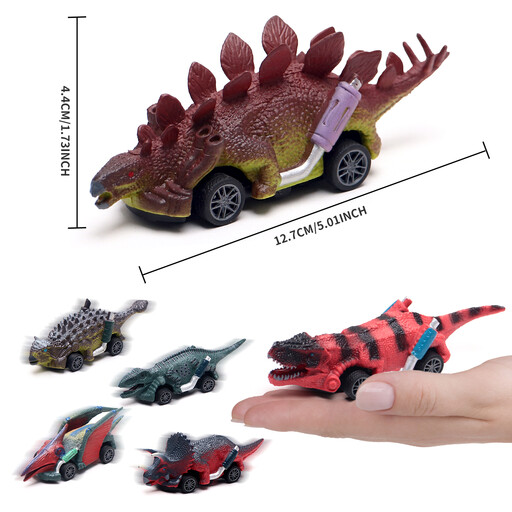
Why This Fits Their Persona: This set combines two popular themes—dinosaurs and cars. The simple pull-back mechanism is ideal for young children and promotes motor skills without needing batteries.
The vehicles are made of soft, non-toxic plastic with rounded corners. This prevents the formation of sharp edges if dropped, thus avoiding the trap of low-quality, brittle materials.
Set of 6 different models for varied fun; battery-free pull-back motor for hassle-free use.
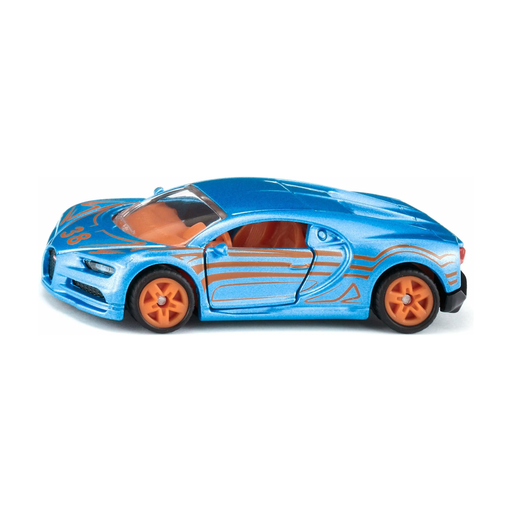
Why This Fits Their Persona: This model is perfect for children fascinated by high-performance cars and for budding collectors. The detailed design and the renowned Siku brand represent quality and play value.
The sturdy metal body ensures durability and a premium feel. As an established Siku model, its size and quality are reliable, bypassing the pitfall of misleading product images.
Sturdy metal construction with plastic parts; opening doors for realistic play; rubber tyres for smooth rolling.
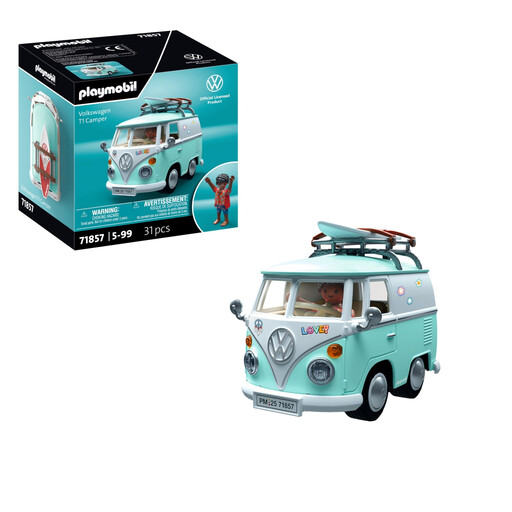
Why This Fits Their Persona: The iconic design of the VW Camper Van evokes nostalgic feelings in adults and inspires imaginative road trip stories for kids. It serves as both a toy and a collector's item.
This model relies on proven, manual play features like a removable roof and accessories instead of fragile electronics. Playmobil's high-quality plastic is known for its durability.
Removable roof for easy access to the detailed interior; includes a play figure and accessories for immediate fun.
We've compiled a complete, up-to-date list of products that fully meet these strict selection criteria and German safety regulations.
With a metal toy car, three aspects are important: the quality of the metal (usually die-cast zinc), a smooth and even paint job without bubbles or scratches, and the wheels. Rubberised tyres offer better rolling properties and are gentler on sensitive floors compared to hard plastic wheels.
Most Siku cars are recommended by the manufacturer for children aged 3 and up. This is due to small parts that could pose a choking hazard for younger children. It is always advisable to check the specific age recommendation on the packaging of the respective model.
Collectible model cars focus on a high level of detail, an exact scale (e.g., 1:87, 1:50), and an authentic replica of the original. They are often more delicately built. A pure toy car, on the other hand, prioritises robustness, simple play functions, and a child-safe construction to withstand active play.