
Lieferung heute & morgen

Qualitätsgarantie

Willkommens-Angebote freischalten: KOSTENLOSE Lieferung | Bis zu 80 % RABATT | Kostenlose 30-Tage-JoyPlus-Testphase
App herunterladen
The selection of toy excavators is vast, ranging from simple plastic diggers for the sandbox to highly detailed models of famous construction machines. But not every model that looks impressive at first glance lives up to its promise in the playroom or garden. Many products have design flaws or material weaknesses that can quickly end the fun and turn your purchase into a bad investment.
As a Joybuy Product Recommendation Officer, I analyse market data to provide you with objective and practical guidance. This guide will show you the three most common pitfalls when buying toy excavators and which crucial features you should look for to choose a durable and safe product for your child.
To avoid the problems mentioned above, you should check three core aspects before buying. These will help you objectively assess the quality of a kids' excavator.
A sturdy kids' excavator must withstand the rigours of playtime. Pay attention to the material specifications. High-quality plastic like ABS (Acrylonitrile Butadiene Styrene) is significantly more resilient and durable than simple PP (Polypropylene). Brands like Bruder often use this material. Also, check the craftsmanship: Are there any sharp edges or poorly finished parts? Sturdy connections and rounded corners are important indicators of a safe and durable excavator for kids.
A good toy excavator is distinguished by its realistic functions. These include:
Choose a model that matches your child's developmental stage.
Always look for the CE mark, which confirms compliance with EU safety standards.
Here are some recommendations tailored to different needs and age groups.

Why it's a great fit: Ideal for toddlers from 2 years old. The simple yet very robust construction and the straightforward operation of the excavator arm are perfect for first digging experiences in the sandbox without being overwhelming.
The model is made of high-quality plastic and is specifically designed for the heavy use by toddlers. It avoids the pitfall of brittle material and rapid wear.
Extremely robust design and a simple, fully functional mechanism that even small hands can operate with ease.
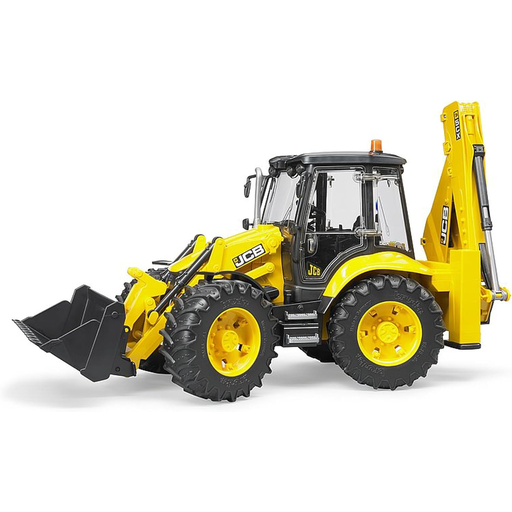
Why it's a great fit: For children aged 4 and up who love realistic play scenarios. This 1:16 scale model offers a wealth of functions, including a front loader, a rear backhoe, and a rotating driver's seat.
This model avoids the pitfall of limited play features with its high level of detail and numerous movable, fully functional parts that guarantee long-lasting and varied fun.
Two full-fledged digging functions (front loader and rear backhoe) in one vehicle, combined with the renowned Bruder quality made from high-grade ABS plastic.
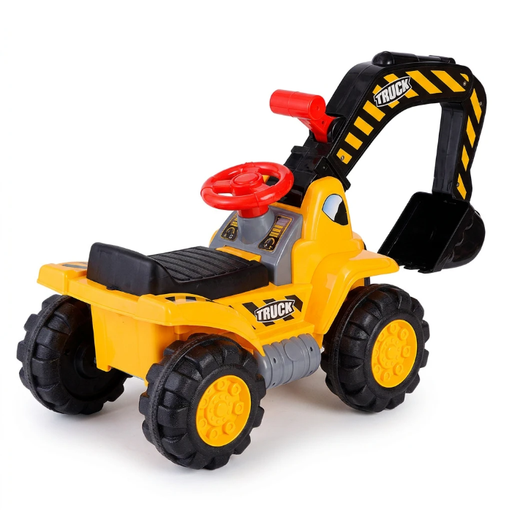
Why it's a great fit: This ride-on excavator combines movement with play. Children from 3 years old can sit on it, move around using their feet, and simultaneously control the excavator arm manually. Ideal for use in the garden or yard.
The design is engineered for the weight and active use by a child. Sturdy wheels and a stable body made of PP material prevent the typical weaknesses of toys not designed for such stress.
Promotes gross motor skills and hand-eye coordination by combining riding and digging. The storage compartment under the seat is a practical bonus.
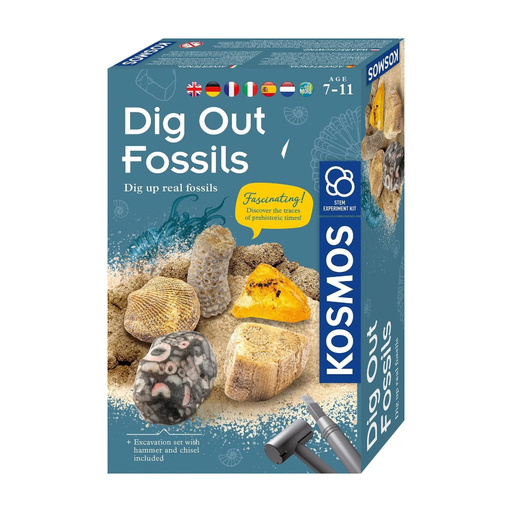
Why it's a great fit: For inquisitive children aged 7 and up who want to experience a different kind of "digging." This set offers an exciting and educational experience, using a hammer and chisel to uncover real fossils from a plaster block.
This set avoids the pitfall of inappropriate age-targeting by specifically aiming at older children and offering a task with a clear goal and educational value, rather than focusing on repetitive mechanical play.
Combines fun with learning. According to the manufacturer, the set contains real fossils, which boosts motivation and the spirit of discovery.
We have compiled a complete, up-to-date list of products that fully meet these strict selection criteria and all relevant safety regulations.
First, remove any coarse sand, preferably outdoors. The plastic parts can then be wiped down with a damp cloth. For many models, such as those from PLAYMOBIL, the manufacturer states that the parts (without stickers) can also be cleaned under running water without chemical cleaning agents. Allow the toy to air dry completely before using it indoors again to prevent mould growth.
Most manufacturers recommend ride-on excavators for children from about 3 years of age. It is important that the child can sit stably and securely on the seat and reach the ground with their feet to move around. Always observe the specific weight and age recommendations from the manufacturer to ensure safe use.
A reliable indicator is the CE mark on the packaging, which confirms that the product meets EU safety requirements. Additionally, look for a sturdy construction made of high-quality material like ABS plastic, rounded edges, and the absence of easily detachable small parts, especially for toys intended for children under 36 months.