
Lieferung heute & morgen

Qualitätsgarantie

Willkommens-Angebote freischalten: KOSTENLOSE Lieferung | Bis zu 80 % RABATT | Kostenlose 30-Tage-JoyPlus-Testphase
App herunterladen
The search for the right toy can be a challenge. With countless options and persuasive marketing, it's tough to find products that are not only exciting in the moment but also safe, durable, and developmentally beneficial. Many well-intentioned gifts for kids end up collecting dust in a corner after a short time because they don't meet expectations or break easily. This guide will help you navigate the common pitfalls of buying children's toys and make an informed decision.
Before you buy toys online, it's helpful to know the most common reasons for a bad purchase. This will help you focus your search on products that bring long-term joy.
To avoid the pitfalls mentioned above, you should focus on three objective criteria. These will help you realistically assess a product's quality and play value.
Safety is the top priority. Look for clear information about the materials used. In Europe, the CE mark is mandatory for toys. It is a self-declaration by the manufacturer that the product complies with EU directives.
An even more reliable indicator is compliance with the EN 71 standard. This European standard for toy safety sets detailed requirements, including for:
Look for terms like "BPA-free" on plastic products and for high-quality workmanship on wooden toys (smooth surfaces, solvent-free paints).
A good learning toy matches the child's current developmental stage.
High play value is characterized by a toy that can be rediscovered and used in different ways over and over again.
High-quality products from established brands like Haba, Bruder, or Playmobil are often designed to be played with for years. Many systems are compatible with each other, allowing the play world to grow with the child. Robust vehicle toys made of metal or solid plastic can withstand intense play, while open-ended play concepts like building blocks stimulate creativity across many age groups.
Based on the criteria above, we have selected a few products that are suitable for different needs and age groups.

Why This Fits Their Persona: Ideal for infants and toddlers to develop motor skills. The 32 finger holes make it easy for even the smallest hands to grasp, hold, and explore the ball.
It escapes the "short-lived fascination" trap with its simple yet versatile design. The durable, flexible material also prevents the risk of material defects and breakage.
The patented design with 32 holes specifically promotes grasping skills. The ball is lightweight, easy to clean, and made from a safe, flexible plastic.
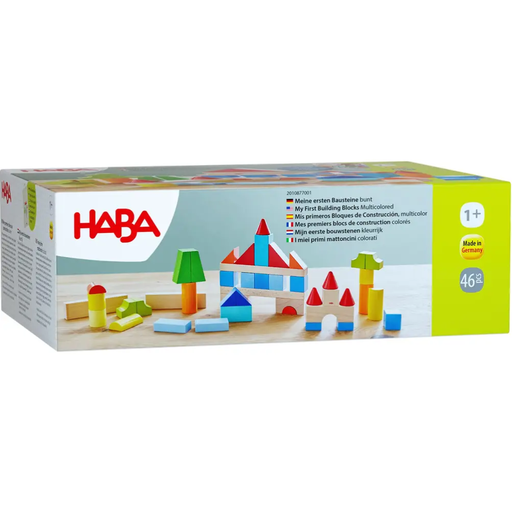
Why This Fits Their Persona: Perfect for toddlers who are starting to build and stack. It playfully promotes creativity, concentration, and fine motor skills.
As a classic "open-ended toy," it offers extremely high and long-lasting play value. The high-quality wood craftsmanship from the Haba brand prevents material defects.
Promotes creativity and fine motor skills. The building blocks are made from high-quality wood, ensuring durability and safe play.
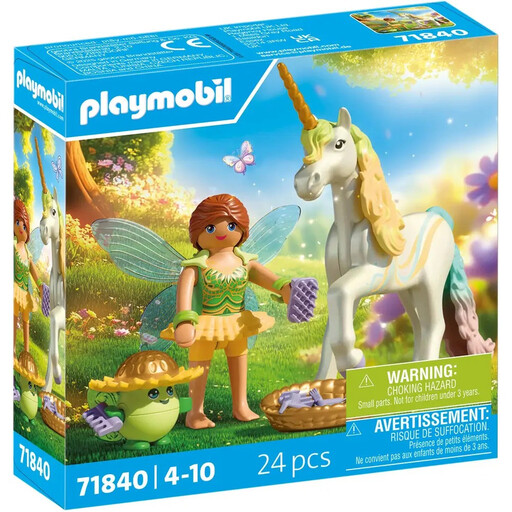
Why This Fits Their Persona: For children who love to invent stories and dive into fantasy worlds. This role-playing toy fosters narrative development and social interaction.
The clear age recommendation of 4+ is relevant for both safety and development. Compatibility within the Playmobil universe ensures long-lasting fun.
Encourages imaginative play and storytelling. It is compatible with other PLAYMOBIL sets, which extends the fun indefinitely.
We've curated a complete, up-to-date list of products that fully meet these strict selection criteria and European safety regulations.
Look for detailed product descriptions with clear material specifications (e.g., solid wood, BPA-free plastic) and a reference to compliance with the EN 71 safety standard. High-resolution images that show the craftsmanship from different angles are also a good sign. Products from established brands often offer more reliable quality.
The CE mark is a basic requirement for selling toys in the EU. It confirms that the manufacturer declares compliance with applicable EU standards. However, it is a self-declaration and not a test seal awarded by an independent body. Additional seals like the GS mark ("Geprüfte Sicherheit" or "Tested Safety") offer greater assurance as they involve third-party testing.
Proper care depends on the material. Plastic toys can usually be cleaned with a damp cloth and mild soap. Wooden toys should only be wiped down and not soaked. For textiles, follow the manufacturer's washing instructions. Regularly inspect toys for damage or loose parts to ensure safety.