
Lieferung heute & morgen

Qualitätsgarantie

Willkommens-Angebote freischalten: KOSTENLOSE Lieferung | Bis zu 80 % RABATT | Kostenlose 30-Tage-JoyPlus-Testphase
App herunterladen
A toy helicopter can light up a child's eyes, but the selection is vast and overwhelming. From simple models for toddlers to complex construction kits and remote-controlled helicopters, making the right choice isn't always easy. Well-intentioned purchases often lead to frustration when the toy doesn't match the child's age or abilities. This guide will help you avoid common pitfalls and find a model that delivers long-lasting joy.
Disappointment is often inevitable when a gift lies unused in a corner after just a short time. Two problems are particularly common:
To avoid a bad purchase, you should check three key aspects. These will help you separate the wheat from the chaff and select a suitable product.
The manufacturer's age recommendation is the most important starting point. It provides guidance on the developmental stage for which a toy was designed.
The durability of a toy helicopter depends directly on the materials used.
The play value is largely determined by the features. Check which interactive elements a model offers:
Here are some recommendations tailored to different age groups and interests.
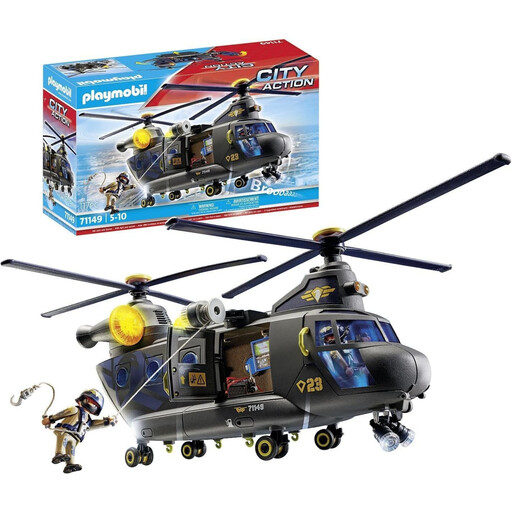
Why This Fits Their Persona: This set is ideal for children who love to act out rescue scenarios. It combines a simple build with many interactive features, encouraging imaginative role-play.
It avoids the poor-quality trap. PLAYMOBIL is known for its robust, durable plastic that withstands even intense play. The complexity is perfectly matched to the target audience of ages 5 and up.
The integrated light and sound module and the working winch create a realistic play experience. The cockpit and cargo area have space for multiple figures.
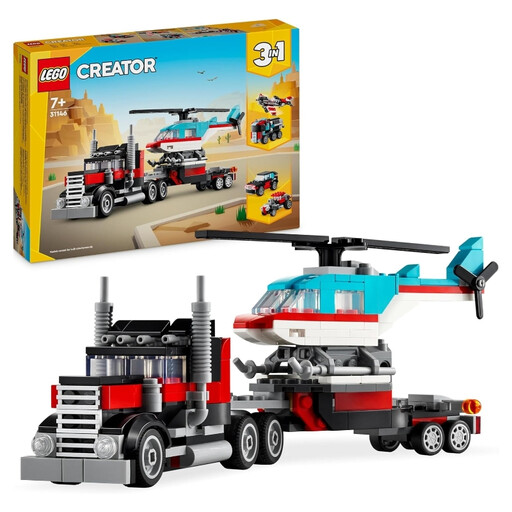
Why This Fits Their Persona: This 3-in-1 set appeals to children who love to build and rebuild. It not only offers a helicopter but also the option to create two other vehicle combinations, significantly increasing its play value.
It prevents boredom from setting in quickly. The 3-in-1 function allows the child to create new models again and again, encouraging long-term creative building instead of the toy being put aside after a single assembly.
High replay value thanks to three different build options with the same bricks. It promotes creativity and spatial reasoning. The helicopter features spinning rotor blades.
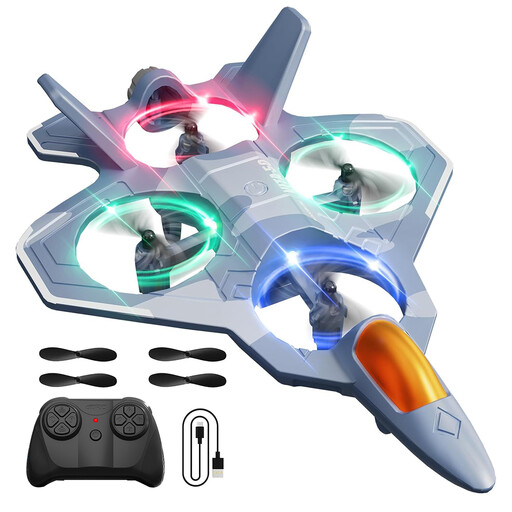
Why This Fits Their Persona: This model is a great entry point into the world of remote-controlled aircraft. It's suitable for indoor and outdoor use and offers features that make it easier for beginners to get started.
It bypasses the frustration trap of overly complex controls. Features like headless mode and altitude hold stabilise the flight and make steering more intuitive. The robust EPP foam material is forgiving of crashes.
Beginner-friendly flight modes and a resilient body. The shrouded propellers increase safety, protecting both the aircraft and its surroundings.
We have compiled a complete, up-to-date list of products that fully meet these strict selection criteria and all relevant safety standards.
At what age is a remote-controlled helicopter appropriate? Simple, robust RC helicopters with beginner-friendly features are generally suitable for ages 8 and up. Younger children are often overwhelmed by the coordination required for the controls. Look for models with altitude stabilisation and a durable material to make the first flight attempts successful.
What should I look for regarding battery safety in toy helicopters? For toys with batteries, especially for younger children, the battery compartment must be securely sealed, ideally with a screw. This prevents children from removing and swallowing the batteries. Always use the battery type recommended by the manufacturer and do not mix old and new batteries. When using rechargeable batteries, the charging process should always be supervised by an adult.
How do you clean a toy helicopter with electronics? Models with electronic components like light or sound modules should never be submerged in water. To clean them, simply wipe the plastic or metal surfaces with a slightly damp cloth. Ensure that no moisture gets into the electronics. Detachable parts without electronics, like those from PLAYMOBIL or LEGO, can often be cleaned under running water, provided there are no stickers applied. Always follow the manufacturer's instructions.