
Lieferung heute & morgen

Qualitätsgarantie

Willkommens-Angebote freischalten: KOSTENLOSE Lieferung | Bis zu 80 % RABATT | Kostenlose 30-Tage-JoyPlus-Testphase
App herunterladen
A toy sink with running water is a fascinating toy that enables realistic role-playing and stimulates the imagination. Children love to imitate adult activities, and handling real water makes washing toy dishes feel especially authentic. However, not all models live up to their promises. Before you make a decision, it's helpful to know the most common weaknesses that can quickly spoil the fun.
This guide will show you the critical features to look out for and help you make an informed choice that will bring long-lasting enjoyment.
When choosing a children's sink, there are several typical flaws that often only become apparent after purchase. Knowing what they are allows you to specifically look for more durable and functional products.
To avoid the problems mentioned above, you should check three key product features before buying. These determine the product's durability, safety, and play value.
The type of water pump is crucial for functionality. There are two basic systems:
A robust children's sink with real water should be made from high-quality plastic like ABS (Acrylonitrile Butadiene Styrene). This material is impact-resistant, durable, and free of harmful plasticisers. Another important criterion is the CE marking. It confirms that the product meets the EU's essential health and safety requirements. A stable, wide base also prevents the sink from tipping over during play.
A well-thought-out set encourages varied role-play in the toy kitchen. Check which accessories are included in the delivery. A good package typically includes:
Models that are visually based on well-known brands, such as a Miele children's sink, can often be combined with other appliances from the same toy series to create a complete kitchen. This makes them an ideal gift for 3-year-olds and older children, as the play universe can grow with them.
Instead of making a one-size-fits-all recommendation, we have put together products for different requirements and play scenarios.
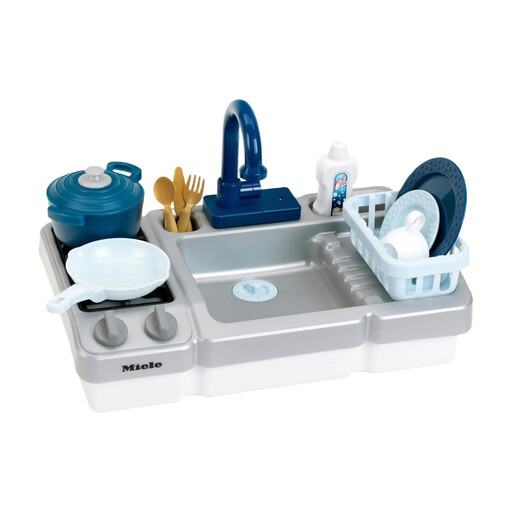
Why This Fits Their Persona: Ideal for parents who value an authentic design and the well-known Miele brand. The combination of a sink and hob expands role-playing possibilities and fits seamlessly into existing play kitchens.
Manufactured by the renowned toy maker Theo Klein, it boasts a robust construction, avoiding the trap of inferior materials. The included accessories prevent hidden follow-up costs.
Features a battery-powered water pump for a realistic water flow. Includes a comprehensive accessory set with a pot, dishes, and cutlery.
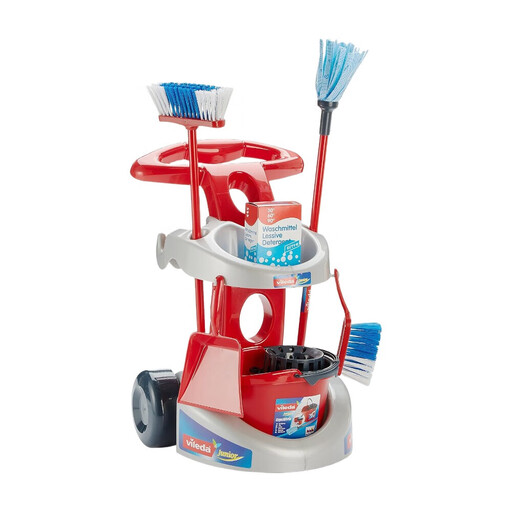
Why This Fits Their Persona: Perfect for children who want to help not just in the kitchen, but all around the house. This set expands role-play from washing dishes to mopping and sweeping, mimicking the complete household routine.
This set avoids the trap of limited play value by offering a variety of accessories (mop, bucket, broom) that encourage different play scenarios and ensure long-lasting engagement.
Promotes motor skills through diverse activities. The set is sturdy, easy to assemble, and offers high recognition value thanks to the well-known Vileda design.
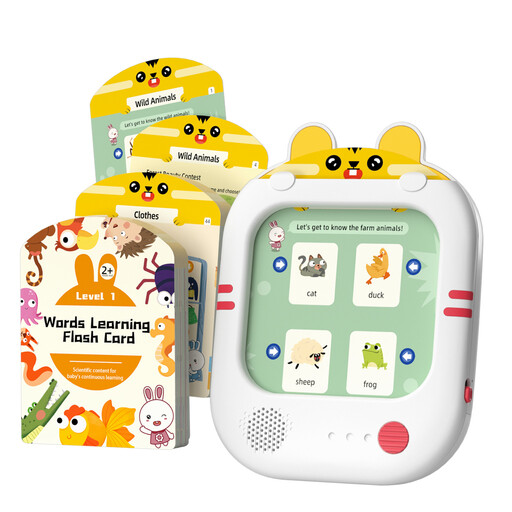
Why This Fits Their Persona: An alternative for gift-givers looking for an interactive yet screen-free toy. It specifically promotes language development and logical thinking, making it a great complement to classic role-playing games.
This learning toy completely bypasses the mechanical weaknesses of water toys. There are no pumps that can leak and no need for water, ensuring clean and durable use.
Offers over 180 words and logic games with 47 double-sided cards. The interactive pen with audio feedback enables independent learning and play.
We have compiled a complete, real-time list of products that fully satisfy these strict selection criteria and UK safety regulations.
1. How do I prevent mould growth in a toy sink? To prevent mould, the water should be completely removed from the basin and pump system after each play session. Allow all parts, especially the basin and dish rack, to air dry completely before storing them. Regular cleaning with a mild soap solution also helps to remove germs and residue.
2. What batteries does a toy sink with a water pump need? Most models with an electric pump require standard AA or AAA batteries. The exact number and type are specified in the manufacturer's product description. It is advisable to remove the batteries if the toy will not be used for an extended period to prevent leakage.
3. From what age is a children's sink with real water suitable? Manufacturers generally recommend such toys for children aged 3 and up. At this age, their motor coordination is sufficiently developed to operate the functions safely. Additionally, children at this age have a better understanding that the water should stay within the play area. Adult supervision is always recommended when playing with water.