
Lieferung heute & morgen

Qualitätsgarantie

Willkommens-Angebote freischalten: KOSTENLOSE Lieferung | Bis zu 80 % RABATT | Kostenlose 30-Tage-JoyPlus-Testphase
App herunterladen
The selection of toy tractors is vast, ranging from simple push-along vehicles to detailed collector's models. This variety can make the buying decision difficult. Often, well-intentioned purchases lead to disappointment when the toy doesn't meet expectations or breaks quickly. To avoid wasting money, it's helpful to know the typical pitfalls.
Three common problems when choosing a toy tractor are:
To find the right model, you should check three core features. These objective criteria will help you evaluate the quality and play value of a toy tractor, independent of marketing promises.
The choice of material is crucial for the toy's durability and safety. Budget-friendly models often use brittle plastic that can form sharp edges under stress. Higher-quality manufacturers rely on specific materials:
Look for a clean finish without rough edges and for sturdy connections, especially on moving parts like axles or attachments.
The scale indicates the size ratio of the model to the original vehicle. It's crucial if you want to build a matching collection of farm toys. Common scales include:
Before buying, check if the tractor with trailer or other desired implements from the same manufacturer are compatible. This ensures long-lasting fun and expandability.
The range of functions should match the child's age and interests.
Based on these criteria, we have selected a few models for different needs and age groups.
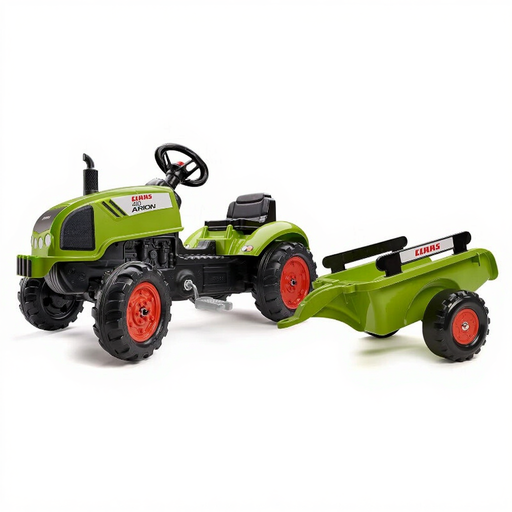
Why it's a good fit: This pedal tractor is specifically designed for the needs of young children. It encourages movement and develops gross motor skills. Its size and simple functions (horn, detachable trailer) are ideal for this age group, enabling early role-playing in the garden or house.
The model is age-appropriately simple and robustly built. It avoids the pitfall of being overwhelming with overly complex functions and the issue of fragile parts by using durable plastic.
Promotes active movement and is designed for outdoor use. Its production in France also supports regional supply chains.
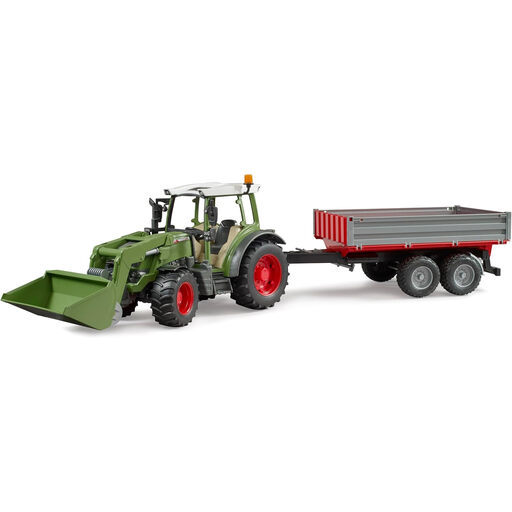
Why it's a good fit: This 1:16 scale set offers a high level of detail and many realistic functions. The fully functional front loader and tipping trailer allow for complex play scenarios. It's ideal for children who are beginning to re-enact realistic farming operations.
Bruder products are known for their compatibility within the series, which avoids the pitfall of incompatible attachments. The robust ABS plastic ensures durable functional parts.
High play value thanks to many functions and the ability to expand the set into a complete play world with numerous other Bruder vehicles and implements.
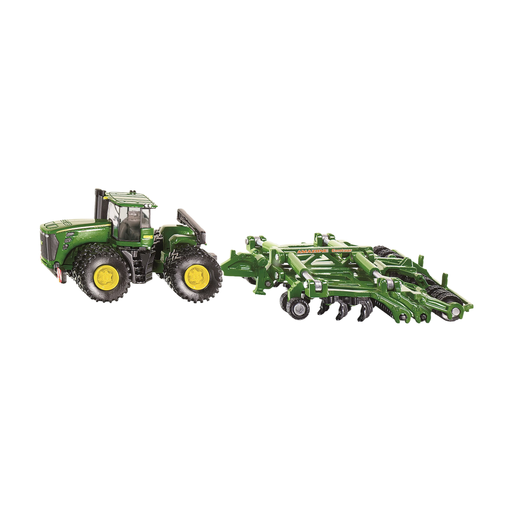
Why it's a good fit: This detailed 1:87 scale model is aimed at collectors and older children who value authenticity. The combination of die-cast metal and plastic parts, along with fine functions like the articulated steering and foldable cultivator elements, is designed for enthusiasts of farm machinery models.
The sturdy metal construction avoids the pitfall of fragile parts. As a collector's model, its value lies in the level of detail and authenticity, not in simple play functions, making it a purposeful purchase.
High level of detail and collector's value. A perfect addition to existing SIKU collections or 1:87 scale model landscapes.
We have compiled a complete, up-to-date list of products that fully meet these strict selection criteria and safety regulations.
1. Which scale is suitable for which age? As a general guide: Large scales like 1:16 (e.g., Bruder) are well-suited for children aged 3-4 and up due to their robustness and size. Medium scales like 1:32 or 1:50 (e.g., SIKU) are a good compromise for elementary school-aged children. Smaller scales like 1:87 are often very intricate and are aimed more at older children, teenagers, and adult collectors.
2. Are attachments from different brands compatible with each other? Generally, no. Manufacturers like Bruder, SIKU, or LEGO have their own coupling systems tailored to their respective product lines. A Bruder trailer will not typically fit a SIKU tractor. It is therefore advisable to stick with one brand if you plan to expand your collection of farm toys.
3. How do you properly clean a detailed toy tractor? For most plastic and metal models, a slightly damp cloth is sufficient. Avoid aggressive cleaning agents, as they can damage the plastic or paintwork. For heavy soiling, such as from sand, a soft brush (like a paintbrush) can help remove dirt from small crevices. Electronic components must not come into contact with water. Always follow the manufacturer's cleaning instructions.