
Lieferung heute & morgen

Qualitätsgarantie

Willkommens-Angebote freischalten: KOSTENLOSE Lieferung | Bis zu 80 % RABATT | Kostenlose 30-Tage-JoyPlus-Testphase
App herunterladen
The search for the right toy tractor can quickly become overwhelming. The market ranges from simple plastic models to highly detailed collector's items. However, not every model that looks impressive at first glance lives up to its promise in the playroom. Many buyers invest in products that become unusable after a short time due to material weaknesses or a lack of functionality. This guide will show you the crucial criteria to consider to make an informed purchasing decision.
Before we dive into the key features, let's look at three common problems that can lead to disappointment:
To avoid these pitfalls, you should check three central aspects before buying. These are the primary determinants of durability, play value, and satisfaction.
The choice of material is crucial for robustness. Models from brands like Siku often feature a body made of die-cast zinc (metal) combined with plastic parts for details like the cab or mirrors.
Toy farm machinery is offered in various standard scales. Choosing the right scale is essential to ensure vehicles and accessories fit together.
Always check the scale to ensure the new tractor fits with the existing collection.
The best play moments come from interaction. Look for functional details that encourage imaginative play.
Here are some models tailored to specific user profiles that meet the quality criteria mentioned.
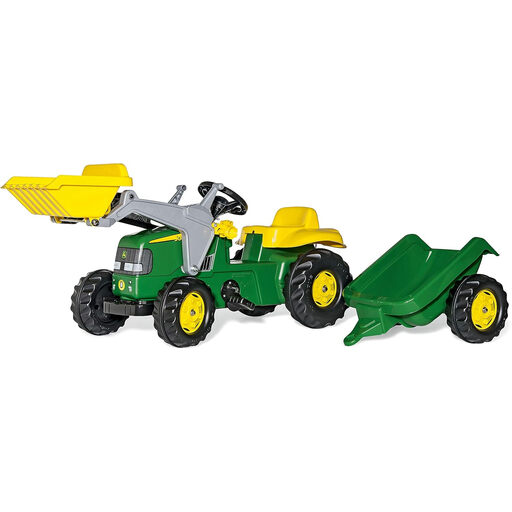
Why This Fits Their Persona: This model is specifically designed for the needs of young children. It promotes motor skills development and offers diverse outdoor play opportunities with its front loader and detachable trailer.
It avoids the "misleading material" trap, as its high-quality plastic is specifically designed for robust outdoor use and to support a child's weight. The chain drive is fully enclosed for protection.
Combines a vehicle and a plaything; the adjustable seat ensures a longer period of use.
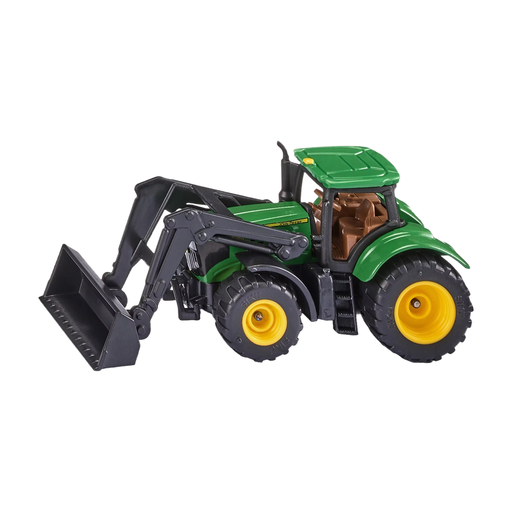
Why This Fits Their Persona: Ideal for children who want to actively engage with their play world. The movable front loader with a shovel allows for loading trailers and re-enacting farm work, which enormously increases the play value.
This model avoids the "poor functionality" trap. The front loader is fully movable and robust enough for everyday play. The metal body provides the necessary durability.
Robust metal body combined with high play value from the front loader; compatible with many Siku trailers of the appropriate scale.
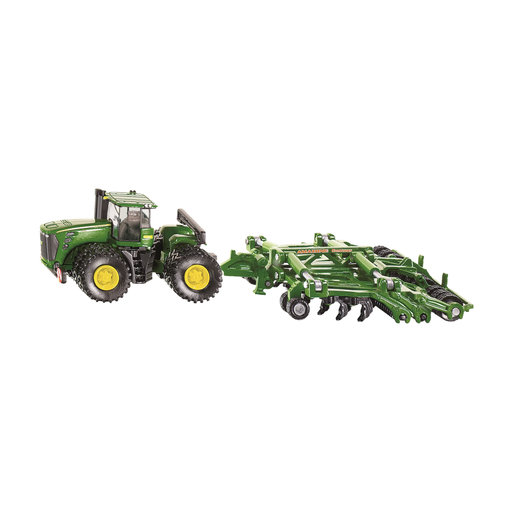
Why This Fits Their Persona: This 1:87 scale set is intended for enthusiasts of detailed models. The combination of an articulated tractor and a foldable cultivator is ideal for creating realistic agricultural scenes in a small space.
It solves the compatibility problem by being delivered as a set and being combinable with many other models within the Siku 1:87 system. The attention to detail, with articulated steering and foldable elements, avoids the "looks only" trap.
High level of detail with realistic functions (articulated steering, foldable parts) in a compact collector's scale.
We have compiled a complete, up-to-date list of products that fully meet these strict selection criteria and all applicable safety regulations.
1. Which scale is suitable for which age? For younger children (approx. 3-6 years), larger scales like 1:32 or 1:16 are often more suitable as the models are more robust and easier to handle. Smaller scales like 1:87 or 1:50 are aimed more at older children (from approx. 7 years) and adult collectors due to the more delicate parts. Pedal tractors are a separate category for active play for children aged around 2 to 5 years.
2. Are Siku tractors compatible with trailers from other brands? Compatibility between different brands is generally not guaranteed. Siku uses a standardised coupling system within its product lines (e.g., Siku Farmer 1:32), but this may not fit models from Bruder or Rolly Toys. It is advisable to stay within one brand's ecosystem for guaranteed compatibility, especially when combining tractors and trailers.
3. How do you clean a toy tractor made of metal and plastic? To clean a model made of metal and plastic, use a soft, slightly damp cloth. Avoid aggressive cleaning agents or immersing it in water, as this can damage metal parts and any stickers. For more stubborn dirt in crevices, a soft brush can help. Ensure the toy is completely dry before putting it away.