
Lieferung heute & morgen

Qualitätsgarantie

Willkommens-Angebote freischalten: KOSTENLOSE Lieferung | Bis zu 80 % RABATT | Kostenlose 30-Tage-JoyPlus-Testphase
App herunterladen
A toy train is more than just a toy—it's a gateway to imaginative worlds, a tool for creative building, and, for many, a lifelong hobby. But the selection is vast and overwhelming. From a simple wooden train for toddlers to a complex, app-controlled model railway, finding the right set is a challenge. Many buyers invest in sets that go unused after a short time because they don't match the child's age or can't be expanded.
This guide will help you navigate the common pitfalls. We focus on the objective criteria that define a good toy train, ensuring your choice brings lasting enjoyment.
Before we dive into recommendations, it's important to understand the most common issues that can lead to disappointment:
To avoid a bad purchase, you should check three key aspects before making a decision. These will help you separate the good from the bad and choose a durable, safe, and expandable system.
The manufacturer's age recommendation is the most important guideline. For toddlers, large, sturdy components without any small, swallowable parts are essential.
A good toy train grows with your child. Therefore, check before buying if and how the system can be expanded.
The type of propulsion significantly determines the play style and complexity.
Based on the criteria above, we have put together a selection of toy trains for different age groups and interests.
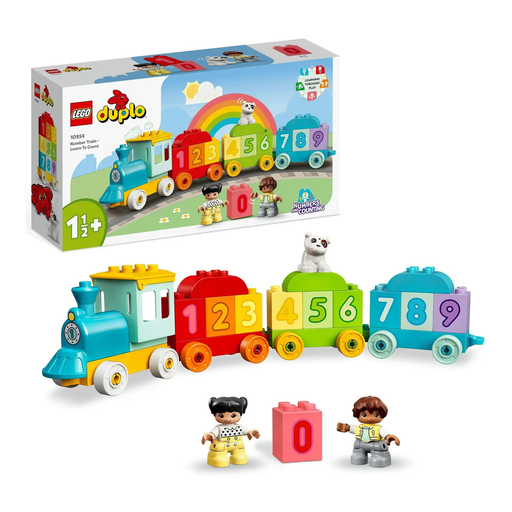
Why it's a great fit: Ideal for toddlers getting their first experience with building and numbers. The large, colourful bricks are safe and promote fine motor skills without being overwhelming.
This set is perfectly tailored to the motor and cognitive skills of toddlers, avoiding the frustration caused by overly complex technology or small parts.
Playfully introduces numbers and colours. The train is pushed manually, which develops hand-eye coordination and requires no batteries.
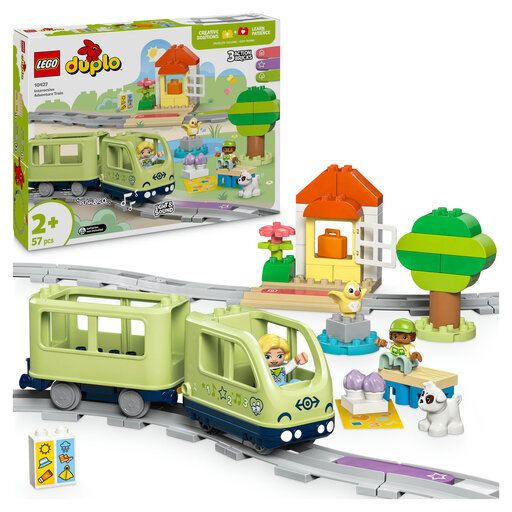
Why it's a great fit: For children who are ready for the next step. The battery-powered train reacts to special action bricks on the track, providing interactive fun and teaching the principle of cause and effect.
This set is fully compatible with other LEGO DUPLO train products, allowing for seamless expansion and avoiding the incompatibility pitfall.
Interactive light and sound effects via action bricks. The train can also be controlled by an app, bridging the gap to the digital world.
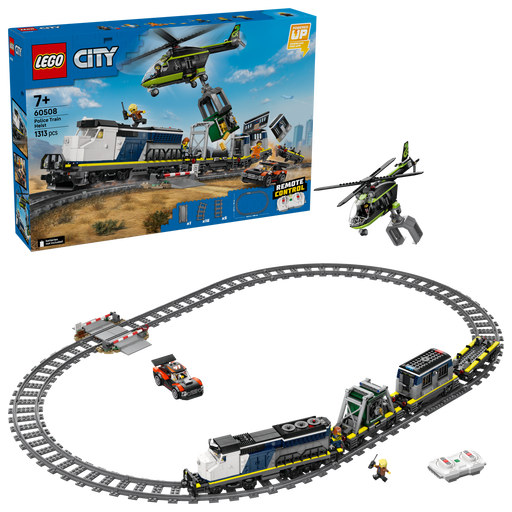
Why it's a great fit: For school-aged kids who love a building challenge and action-packed role-play. This set combines the construction of a detailed electric train with an exciting police chase story.
With its complexity and motorised functions, this set provides long-lasting fun, preventing the boredom that can quickly set in with simpler models for this age group.
Motorised train with remote or app control (Powered Up). Includes a complete oval of track and numerous figures and accessories for immediate, out-of-the-box play.
We've compiled a complete, up-to-date list of products that fully meet these strict selection criteria and safety regulations.
Are LEGO DUPLO and LEGO City train tracks compatible? No, the track systems are not directly compatible with each other. LEGO DUPLO tracks are significantly larger and designed for toddlers' hands. LEGO City tracks are smaller and more detailed, matching the scale of classic LEGO bricks. Transitioning from DUPLO to City requires purchasing a new track system.
What batteries does an electric LEGO train need? Most newer electric LEGO trains (City and DUPLO) use the "Powered Up" system. This typically requires AAA batteries. The exact number and type are specified on the product packaging and in the instructions. It is advisable to use rechargeable batteries to reduce running costs and be more environmentally friendly.
How do you properly clean a plastic toy train? Plastic parts like those from LEGO are best cleaned by wiping them with a slightly damp, lint-free cloth. For heavier soiling, the bricks (without electronic components or stickers) can be washed in lukewarm water with a mild soap solution. Electronic components such as motors or sensors must never be submerged in water; their surfaces should only be carefully cleaned with a dry cloth.