
Lieferung heute & morgen

Qualitätsgarantie

Willkommens-Angebote freischalten: KOSTENLOSE Lieferung | Bis zu 80 % RABATT | Kostenlose 30-Tage-JoyPlus-Testphase
App herunterladen
The selection of toy vehicles is vast and can quickly become overwhelming. Whether for enthusiastic children or passionate model car collectors, differences in quality are often only apparent on second glance. Many buyers invest in products that either break after a short time or fail to deliver the play and collector value promised on the packaging. This guide will help you identify common pitfalls and make an informed decision.
The most common problems when buying are:
To avoid disappointment, you should check three key aspects before buying. These parameters are crucial in determining the vehicle's durability, play value, and compatibility.
The choice of material is a direct indicator of quality. High-quality manufacturers like Bruder often use ABS plastic (Acrylonitrile Butadiene Styrene). This material is known for its high impact resistance and robustness, withstanding even intense play. Bruder vehicles are therefore often a durable choice for the sandbox and the playroom.
In the realm of smaller model cars and for collectors, models made from die-cast metal are a solid benchmark. Brands like Siku often combine a sturdy metal body with plastic attachments. This gives the models a satisfying weight and high stability. Look for a clean finish without sharp edges or burrs.
The scale indicates the size ratio of the model to the original vehicle. A model in 1:16 scale means the toy is 16 times smaller than the real thing. This is a common scale for large, feature-rich toys like construction vehicle toys or trucks.
Smaller scales like 1:43, 1:64 (typical for Hot Wheels), or 1:87 (H0 scale, matching model railways) are common among collectors and for space-saving play setups. Before buying a vehicle, check the scale of your existing models to ensure the new piece fits in proportionally.
A good toy vehicle offers more than just four wheels. Interactive features significantly increase play value and encourage creativity. These include:
These details distinguish a short-lived toy from a durable companion that brings joy for years.
Here are some recommendations tailored to different needs and user profiles.
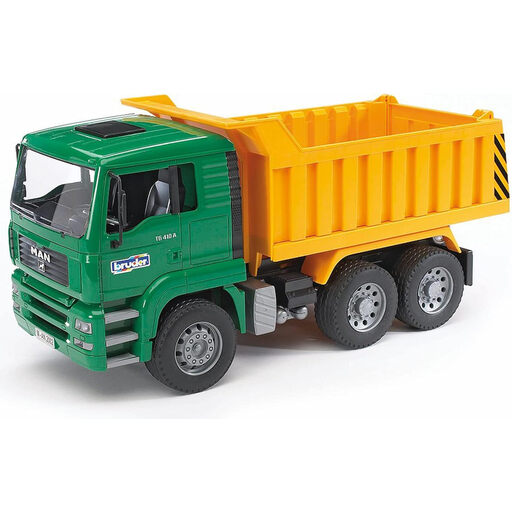
Why it's a great fit: Ideal for children who enjoy active, hands-on play. The robust construction and fully functional tipping trough are designed for use both indoors and out.
Counteracts the "material trap." The high-quality plastic used is known for its durability and withstands even heavy use.
The realistic tipping function with an opening tailgate and a tilting driver's cab offer high, long-lasting play value.
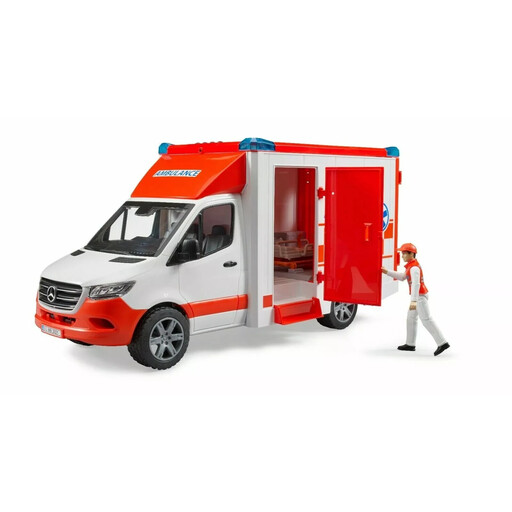
Why it's a great fit: Perfect for children who love to re-enact rescue missions. The combination of vehicle, figure, and features allows for immersive role-playing.
Prevents the "lack of detail" pitfall. The integrated light and sound module, opening doors, and included paramedic figure ensure varied and engaging play.
The removable roof allows easy access to the treatment area. Compatibility with other bworld figures expands the play possibilities.

Why it's a great fit: A compact model for collectors and toy enthusiasts who value authentic details and a high-quality feel.
Solves the "compatibility problem" for collectors of smaller scales. The model fits well into existing Siku collections and is space-saving.
The metal body provides stability and a premium feel. The detailed printing and rubber tyres underscore its collector-grade quality.
We have compiled a complete, up-to-date list of products that fully meet these strict selection criteria and current safety regulations.
The scale indicates the size ratio of the model to the original. A scale of 1:16 means the model is 16 times smaller than the real vehicle. A truck in this scale is therefore a large toy. A scale of 1:87 means the model is 87 times smaller, making it well-suited for model railway layouts.
Due to their different scales, they are generally not directly compatible. Bruder vehicles are mostly produced in 1:16 scale and are intended for large, interactive play scenarios. Siku models come in various, mostly smaller scales (e.g., 1:32, 1:50, 1:87). They are well-suited for collecting and building miniature worlds. Combining them often looks visually inconsistent.
For most plastic and metal models, a soft, slightly damp cloth is sufficient. Avoid aggressive cleaning agents, as they can damage the paint or decals. For heavy soiling, such as after playing in the sand, the models can be cleaned under lukewarm water with a soft brush. Vehicles with electronics (light/sound) must not be submerged in water; here, the surface should only be wiped down.