
Lieferung heute & morgen

Qualitätsgarantie

Willkommens-Angebote freischalten: KOSTENLOSE Lieferung | Bis zu 80 % RABATT | Kostenlose 30-Tage-JoyPlus-Testphase
App herunterladen
The selection of toy vehicles for kids is vast, but not every model lives up to its promise. Many parents and relatives know the problem: an expensive toy car quickly loses its appeal or even breaks. This guide will help you navigate the common pitfalls of purchasing and make an informed decision that ensures long-lasting fun in the playroom.
Before we dive into quality features, it's important to understand the three most common reasons for a purchase you'll regret.
To avoid buyer's remorse, you should pay attention to a few objective parameters. These will help you assess a product's quality, independent of marketing promises.
The durability of a toy vehicle depends heavily on its material.
The manufacturer's age recommendation is more than just a rough guideline. It is based on safety standards like the European standard EN 71.
Good toys encourage active play. Mechanical functions are often more valuable than passive electronic effects. A toy tractor for kids with a steerable front axle and a trailer hitch offers countless play opportunities and promotes coordination. Construction toy vehicles allow children to reenact real-world work processes and support spatial reasoning.
Here are some recommendations tailored to different needs and age groups.
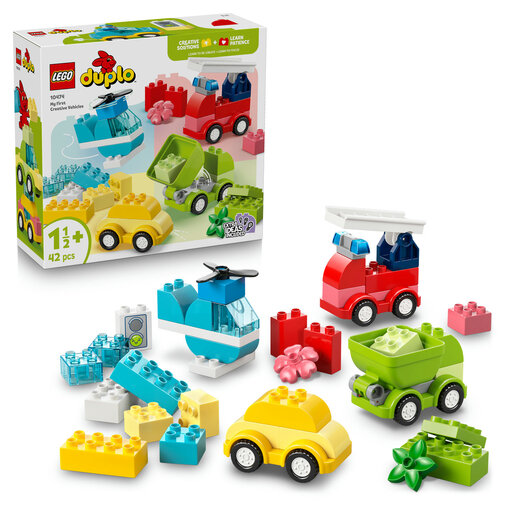
Why It's a Great Fit: Ideal for toddlers making their first forays into building. The large, easy-to-grip bricks are safe and promote fine motor skills and creativity.
This set avoids the pitfall of inappropriate complexity with its large, choke-proof parts. Instead of passive electronics, it focuses on active, creative building, thus avoiding short-lived appeal.
Promotes colour recognition and problem-solving. The pieces are compatible with all other LEGO DUPLO sets, increasing its long-term play value.

Why It's a Great Fit: For children who love real-life construction sites. This model is renowned for its durability and is perfect for playing in the sandbox.
Made from high-quality ABS plastic, it avoids the trap of unstable construction. The focus is on fully functional mechanics (360° rotation, movable arm) rather than limiting electronics.
1:16 scale for detailed play. The excavator body can rotate 360°, and the excavator arm is operated via a central handle. Suitable for indoor and outdoor use.
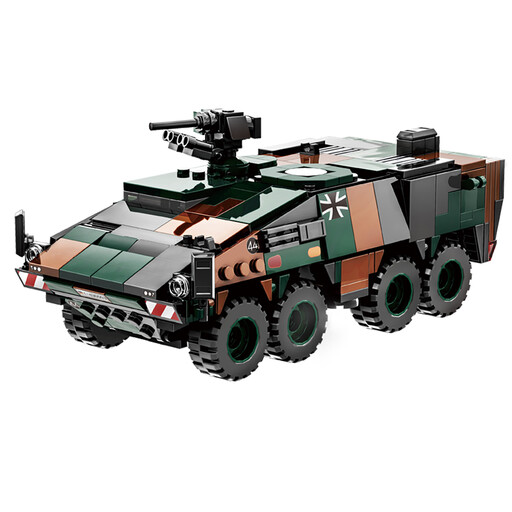
Why It's a Great Fit: For older children and hobbyists looking for a challenge. Assembling a detailed model from 438 pieces promotes concentration and spatial reasoning.
This set is the antithesis of a simple toy, avoiding the pitfall of being unchallenging for older kids. Its value lies in the building process and the detailed final result, not in simplistic functions.
Develops technical skills and patience. The finished model has high display value and is collectible for military enthusiasts and building block fans.
We have curated an extensive selection of vehicles that meet objective criteria for material, safety, and play value.
Pay attention to the material used. Terms like ABS plastic or die-cast metal are good indicators. Check if the plastic parts have sufficient thickness and if the axles and joints seem sturdy. Product descriptions that mention manufacturing in Germany or high quality standards can also be a clue.
This largely depends on the model. Simple, large vehicles without small, swallowable parts, like those offered by LEGO DUPLO, are suitable for children from around 18 months. More detailed and functionally complex models from brands like Bruder or Siku are generally recommended for children aged 3 or 4 and up. Always check the manufacturer's age recommendation on the packaging.
Most vehicles made of pure plastic can be simply wiped with a damp cloth or rinsed under lukewarm water. Avoid aggressive cleaning agents. For models with metal parts, stickers, or electronic components, you should only use a damp cloth and ensure the toy dries completely afterwards to prevent rust or damage to the electronics.