
Lieferung heute & morgen

Qualitätsgarantie

Willkommens-Angebote freischalten: KOSTENLOSE Lieferung | Bis zu 80 % RABATT | Kostenlose 30-Tage-JoyPlus-Testphase
App herunterladen
The selection of toy vehicles is vast—from simple toy cars for toddlers to complex RC models. But not every shiny model delivers on its promises. As a Joybuy Product Recommendation Officer, I see every day which products bring long-term joy and which ones quickly end up gathering dust in a corner. This guide will help you navigate the common pitfalls and make an informed decision.
Many well-intentioned gifts turn out to be a disappointment. Watch out for these three common problems to avoid buyer's remorse.
To avoid these problems, you should check three core areas before making a purchase. These parameters determine the safety, durability, and true play value of a toy.
You can recognise a high-quality toy vehicle by its robust materials and clean finish.
The right toy supports development without being overwhelming.
For kids' electric ride-on cars and RC models, the battery and motor are the heart of the machine.
Here are a few models tailored to specific needs and age groups that meet the criteria mentioned above.
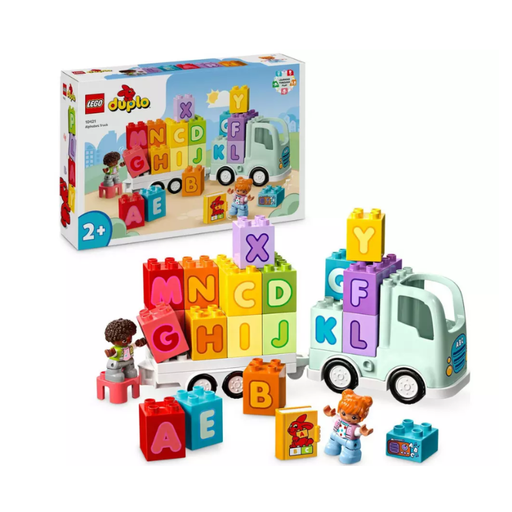
Why It's a Great Fit: It's an ideal combination of vehicle play and educational value. Toddlers can load and push the truck while playfully learning letters and colours. A classic educational toy vehicle.
The proven LEGO DUPLO quality ensures exceptional durability, sidestepping the trap of poor-quality materials. The concept is perfectly tailored to the motor and cognitive skills of toddlers.
Develops motor skills, creativity, and early letter recognition in one product. The bricks are compatible with other DUPLO sets.

Why It's a Great Fit: This kids' electric ride-on offers a safe introduction to electric mobility. It's more than just a way to get around; it's a toy with interactive modules and an appealing design.
The app-controlled speed limit (5, 10, 15 km/h) solves the problem of inappropriate speed. The 5-wheel system ensures high stability against tipping, addressing common safety concerns.
Parental control via app and a sturdy construction. The interchangeable modules (e.g., bubble machine, sound system) provide long-lasting play appeal.
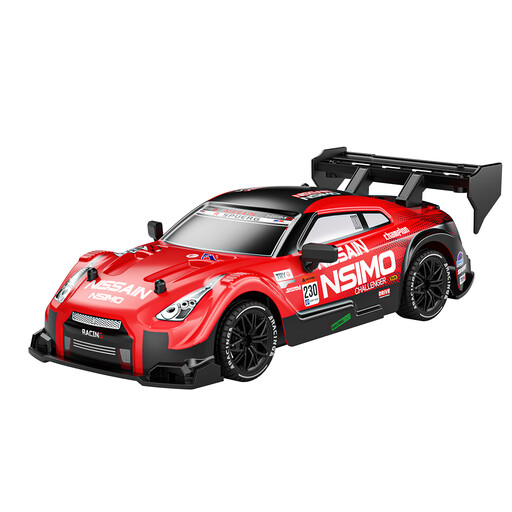
Why It's a Great Fit: This RC car is a great entry point into the hobbyist world. It's aimed at older children and teenagers who want to do more than just drive back and forth. A fitting gift for boys and girls with an interest in technology.
With a proportional 2.4G remote control and interchangeable tyres for drift or race setups, this model avoids the "too simple" toy trap. It offers enough depth to keep users engaged and help them develop their skills.
The all-wheel drive (4WD) provides excellent control, and the second set of tyres allows for two completely different driving styles. It offers attractive value for money for an entry into the RC drifting hobby.
We have compiled a complete, up-to-date list of products that fully meet these strict selection criteria and German safety regulations.
Always check for the CE mark. For toys intended for children under three, there must be no small, swallowable parts. Battery compartments must be securely screwed shut to prevent children from accessing the batteries. Also, look for a sturdy construction with no sharp edges.
Simple RC models with basic forward-backward and left-right controls are suitable for children from around 4 years old. More advanced hobby-grade models with proportional controls, high speeds, and maintenance requirements are generally suitable for children aged 8 to 10 and older, as they require a better understanding of the technology and improved hand-eye coordination.
Consider three main factors: