
Lieferung heute & morgen

Qualitätsgarantie

Willkommens-Angebote freischalten: KOSTENLOSE Lieferung | Bis zu 80 % RABATT | Kostenlose 30-Tage-JoyPlus-Testphase
App herunterladen
Toy vehicles for children are among the most popular gift ideas. Whether it's a fire engine toy, digger toy, bin lorry toy or police car toy, the range stretches from simple push-along models to battery-powered ride-on vehicles. Yet it's this very variety that makes choosing so difficult.
Three typical buying mistakes lead to disappointment time and again:
For toy cars for children aged 3 and over, the "age 3+" marking is an important safety and developmental consideration. Models with small parts should not be given to younger children. For products aimed at children aged 1 and over, parents should also check that battery compartments are securely fastened and that moving parts cannot be easily detached.
For indoor use, compact vehicles with smooth-rolling wheels are practical. Construction vehicles for children that will be used in the sandpit, on the other hand, should have easily accessible mechanisms and durable plastic parts. After playing outdoors, it's a good idea to check for sand, moisture and any loose components.
A metal body can provide stability in model vehicles, while plastic often allows for lighter weight and moving functions. What matters isn't just the material, but the quality of the axles, wheels, doors, loading areas and bodywork.
Also pay attention to the actual dimensions. A large lorry toy with a tipping function needs more storage space and can be harder for small hands to manoeuvre. A 1:16 scale vehicle is often designed for detailed play scenarios, but isn't automatically suitable for every age.
The CE mark indicates compliance with relevant EU requirements, but it is not a quality seal and does not replace checking the warnings, material information and workmanship yourself.
With battery-powered children's vehicles, you should distinguish between small interactive toy cars and electrically powered ride-on vehicles. Check the battery type, what's included in the box, the volume, any shut-off options and the condition of the battery compartment.
Manual models, such as classic Bruder vehicles or Siku toy cars, don't need batteries. This reduces ongoing costs and makes them easier to use on the go. Interactive models like the VTech Tut Tut Baby Flitzer, on the other hand, offer lights, melodies or motion-activated responses. Which option is right depends on the child's age and preferred style of play.
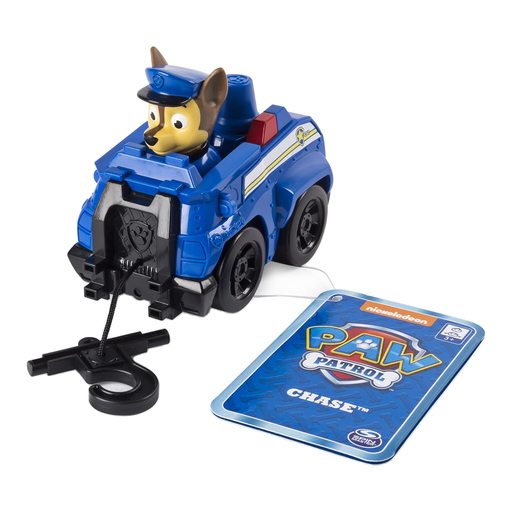
Why this product fits the profile: This free-rolling Paw Patrol vehicle is designed for children aged 3 to 9 and requires neither batteries nor assembly.
The age recommendation and the lack of batteries reduce typical ongoing costs. However, you should still check the warning about small parts before buying.
Weighs 80 g, free-rolling wheels, figure permanently attached to the vehicle, and some models feature action functions such as a winch.
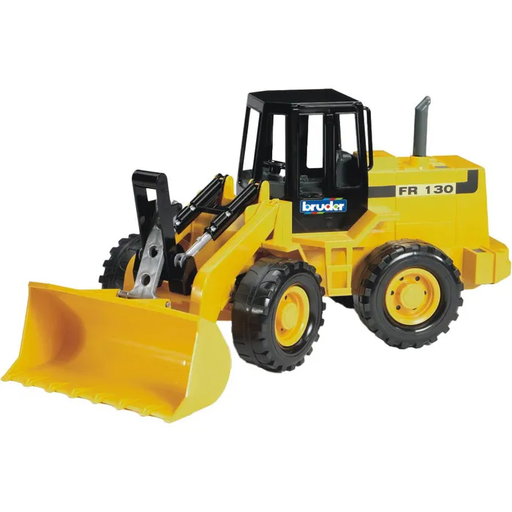
Why this product fits the profile: This 1:16 scale model is designed for children aged 3 and over and features a functional shovel and articulated steering for extended construction site play.
The functions are clearly stated: the shovel arm and tipping bucket can be moved. This means the play mechanics take centre stage, not just the appearance.
Manual operation with no batteries required, functional loading unit and compatibility with other BRUDER construction sets and figures.
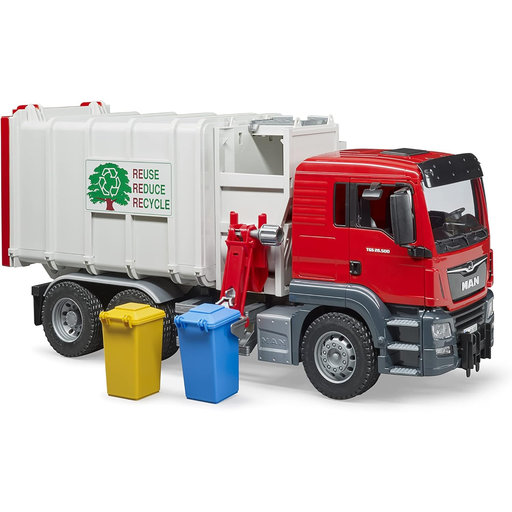
Why this product fits the profile: For children aged 3 and over who prefer realistic routines: two wheelie bins can be moved and emptied using the functional rear mechanism.
Instead of relying only on stickers, this bin lorry toy features clearly described, manually operated functions and included accessories.
1:16 scale, two small wheelie bins, opening doors and compatibility with BRUDER bworld figures.
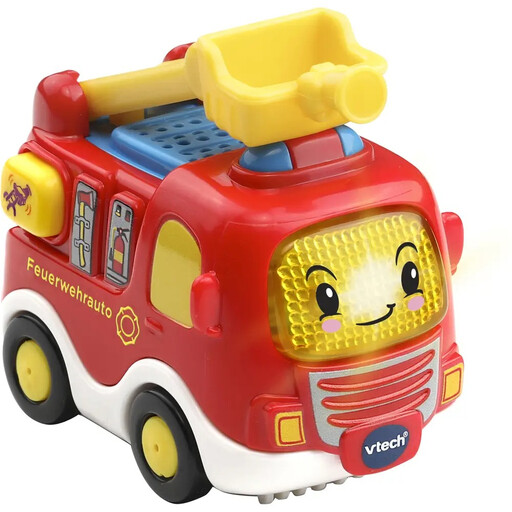
Why this product fits the profile: According to the product information, this fire engine toy is designed for children aged 1 and over and combines rolling motion with lights, sounds and songs.
The light weight of 162 g and the clearly stated use of two AAA batteries make it easy to assess for everyday use. The ladder is movable.
Three songs, six melodies, motion sensors and compatibility with other Tut Tut Baby Flitzer play sets.
We've put together a complete, regularly updated list of products that fully meet these strict selection criteria and the safety regulations in force in the EU.
Depending on the child's interests, different types of vehicles may be a good fit:
That depends on the individual model. Some interactive vehicles are designed for children aged 1 and over, while models with small parts should generally only be used from age 3. The age recommendation and the manufacturer's safety instructions are what matter.
The lifespan depends on the material, how they're used and how they're stored. For outdoor vehicles, you should regularly check the wheels, axles and moving parts for wear. Electronic models should be stored in a dry place and the battery compartment should be checked.
Small toy vehicles usually use standard batteries. The ongoing cost depends on how often they're played with, the battery type and how long the light or sound functions are used. Manual models don't need batteries, but they don't offer electronic effects either.