
Lieferung heute & morgen

Qualitätsgarantie

Willkommens-Angebote freischalten: KOSTENLOSE Lieferung | Bis zu 80 % RABATT | Kostenlose 30-Tage-JoyPlus-Testphase
App herunterladen
Toy vehicles for toddlers combine movement and imaginative play, with some models also offering lights or sound effects. Vehicles for one-year-olds are quite different from racing cars for children or remote-controlled models for older toddlers. Checking the recommended age, construction and features can help you avoid buying the wrong toy.
Interactive toy cars with lots of buttons, tunes and flashing lights can look versatile in product photos. But for a child aged one and over, lots of controls may be difficult to understand. What matters is whether the features are activated by simple actions such as pushing, pressing or turning.
You should also consider the volume. A learning toy with lights and sound won’t necessarily suit every home. So, before buying, check the information about batteries, volume control and ways to switch it off.
A vehicle play set for children aged one and over should not contain small parts that can come loose and may be unsuitable for younger children. Sets for children aged three and over may have more features, such as small vehicles, detachable parts or accessories.
The manufacturer’s age guidance is a useful guide, but it doesn’t replace supervision. Before first use, check the wheels, battery compartment, screws and moving parts.
A baby walker with a play panel needs to stand securely on the surface it’s designed for. For children’s ride-on diggers, check the seat, backrest, steering wheel and maximum weight limit. A toy vehicle used outdoors also needs suitable wheels and a surface that’s easy to clean.
For children aged 1 to 2, large vehicles that are easy to grip and have just a few clear features are usually a good choice. A Tut Tut Baby Flitzer can offer extra stimulation through movement, buttons and sensors. For children aged three and over, more complex models may be suitable, such as a fire engine toy with several vehicles or a toy tractor with moving parts.
Before buying, consider whether the vehicle will mainly be:
For toddler toys, rounded edges, a closed battery compartment and sturdy connections are all practical considerations. Plastic is commonly used for vehicles, but the surface should be free from sharp edges or burrs. For models designed for outdoor use, look for a surface that can be wiped clean with a damp cloth.
For battery-powered vehicles, the required battery type and safe battery storage are essential details. Don’t mix old and new batteries. Store vehicles that aren’t in use as directed by the manufacturer.
A vehicle should fit comfortably in small hands and shouldn’t contain parts that could be swallowed. With remote-controlled vehicles for toddlers, it’s important to have simple controls and keep a safe distance between the child and the moving wheels. For example, the Chicco Billy Big Wheels Red comes with a steering wheel-shaped remote control, large wheels, lights and sound effects. According to the product information, it’s suitable for children aged two and over and should be used under supervision.
For a ride-on vehicle, also check the maximum weight limit, seat height and space available for safe riding. Avoid using it near obstacles, stairs or roads.
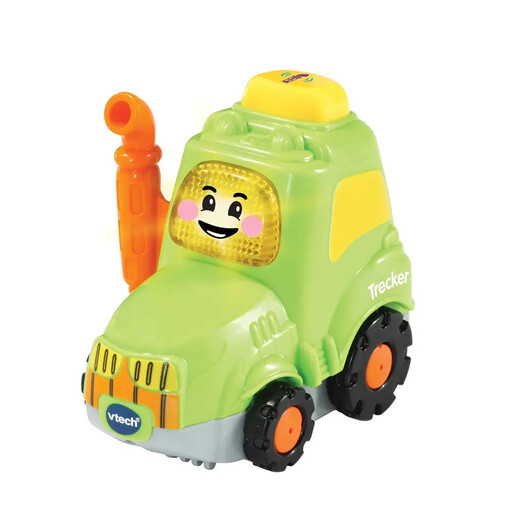
Why it’s a good fit: This toy tractor is designed for children aged one and over, combining push-along play with clear button and movement effects. According to the product information, two AAA batteries are included.
It’s operated using a control on top, wheel movement and a sensor. This makes its features easier to understand than those of models with lots of complex switches.
Three nursery rhymes, six tunes, an illuminated button and compatibility with the Tut-Tut-Baby-Flitzer play system.
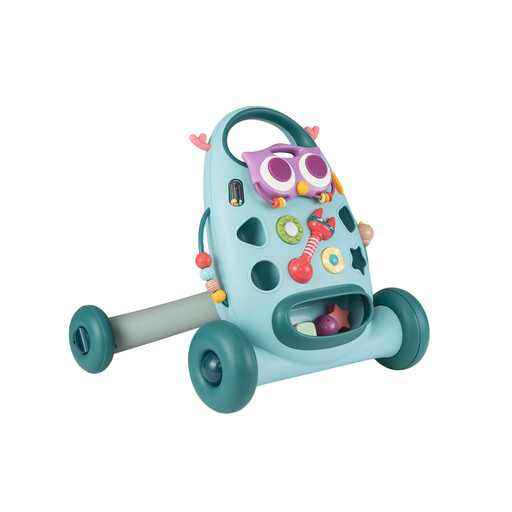
Why it’s a good fit: This model combines a walking aid with a removable play panel and, according to the product information, is designed for children aged 12 to 36 months.
According to the description, two settings on the rear wheels let you adjust the speed or lock them in place. The walker should still only be used on suitable, level surfaces.
Shape sorter, push-along figure, bead and spinning elements, plus lights and sound; stated maximum weight capacity of 25 kg.
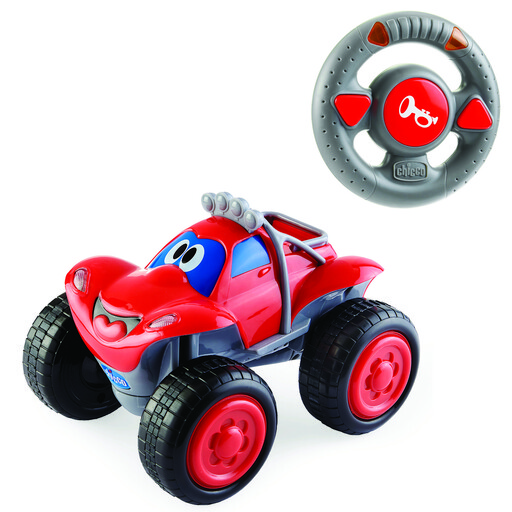
Why it’s a good fit: According to the manufacturer, this remote-controlled car for toddlers is designed for children aged two and over. It’s a good option for families looking for a controllable vehicle with large wheels.
The remote control is shaped like a steering wheel, and tilting it changes direction. This can make it easier to use than a remote with several small direction buttons.
Large wheels, a steering wheel-shaped remote control, headlights that can be switched on and an engine sound, according to the product description.
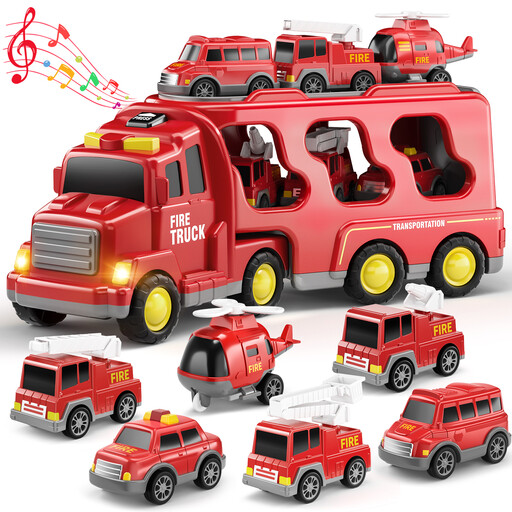
Why it’s a good fit: According to the product description, this set is designed for children aged three and over. It includes a transporter and several small emergency vehicles.
The age guidance and included vehicles are clearly stated. Before buying, check that the smaller parts are suitable for your child’s stage of development.
A transport vehicle, five small vehicles, a folding rear door, and lights and music, according to the product information.
We’ve put together a complete, regularly updated list of products that meet these strict selection criteria and fully comply with the safety regulations in force in the EU.
Large vehicles that are easy to grip and have just a few controls can be suitable for children aged one and over. A Tut Tut Baby Flitzer or a similar vehicle with moving wheels and a few buttons may be easier to manage than a set with lots of small parts. Always follow the manufacturer’s age guidance.
How long they last depends on the materials, how often they’re played with, how they’re stored and the condition of the moving parts. Remove the batteries if the toy won’t be used for a long time. Regularly checking the battery compartment, wheels and joins in the casing can help you spot wear early.
For many models, the ongoing cost is limited to replacement batteries. Check the product details to see whether AAA or another type of battery is needed, and whether batteries are included. If the toy is used frequently, rechargeable batteries may be a practical alternative, as long as they’re suitable for the device.