
Lieferung heute & morgen

Qualitätsgarantie

Willkommens-Angebote freischalten: KOSTENLOSE Lieferung | Bis zu 80 % RABATT | Kostenlose 30-Tage-JoyPlus-Testphase
App herunterladen
The selection of toy wheel loaders is vast, and at first glance, many models look sturdy and promising. But disappointment is often inevitable when the gift is quickly forgotten or the first trip to the sandbox ends with a broken part. To help you make the right choice, we'll highlight the most common pitfalls and show you which features truly matter.
Many buyers focus on appearance or marketing promises, which often leads to purchase regret. Watch out for these three typical problems:
To avoid a bad purchase, you should check three key aspects before making a decision. These are crucial in determining the durability and play value of a toy wheel loader.
The choice of material is critical for the intended use. Models from manufacturers like Bruder often use high-quality ABS plastic. This material is known for its toughness, impact resistance, and good weather resistance, making it an excellent choice for a wheel loader for the sandbox.
Models from Siku often combine a die-cast metal body with plastic attachments. This gives them more weight and a solid feel, which is particularly valued by collectors and for indoor play. However, for heavy outdoor use, the paint and more delicate plastic parts can be more susceptible to damage.
The age rating is more than just a safety regulation. It provides an indication of the motor skills required to operate the model.
A good front loader toy is distinguished by its realistic functions. Look for a smooth, fully movable loading bucket and functional steering. Many children want to combine their construction vehicles for kids. Therefore, check if the wheel loader's scale matches other vehicles, such as a toy truck with a wheel loader. Brands like Bruder and Siku offer cohesive play worlds in this regard.
Instead of making a blanket recommendation, we have matched models to different needs and age groups.
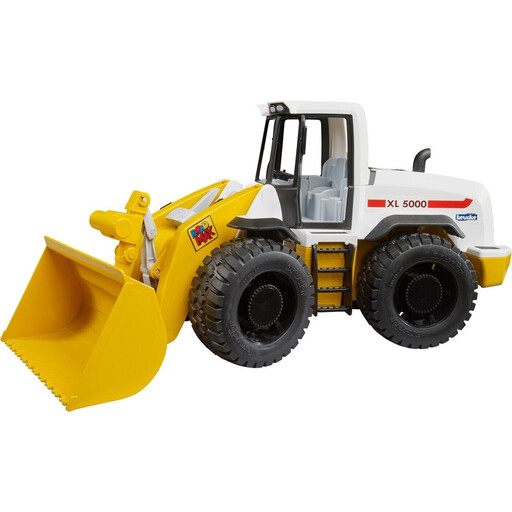
Why This Fits Their Persona: This model is specifically designed for the needs of toddlers. It's robust, has no small parts that can be swallowed, and its controls are tailored to the motor skills of young children. Ideal for the first construction site in the playroom or sandbox.
The central handle for controlling the loader arm prevents frustration from complex levers. The high-quality ABS plastic construction withstands intense play and avoids the material trap.
Functional articulated steering for good manoeuvrability; large treaded tyres for stability on various surfaces. According to the manufacturer, it carries the "spiel gut" (good toy) seal of approval.
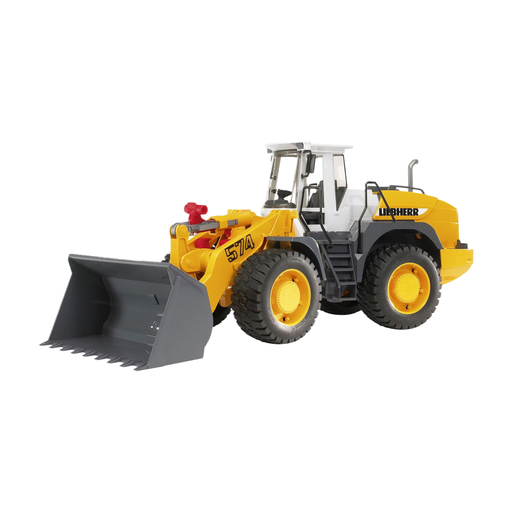
Why This Fits Their Persona: For children who want to act out realistic scenarios, this 1:16 scale model offers a wealth of functions. It is large, detailed, and promotes an understanding of mechanical processes.
This model bypasses the functionality trap with a bucket mechanism, developed by the manufacturer, that allows for one-handed operation. The functionality is complex yet intuitive and reliable for this age group.
Large, tilting front bucket; the engine hood can be opened to reveal the engine block, which enhances realism.
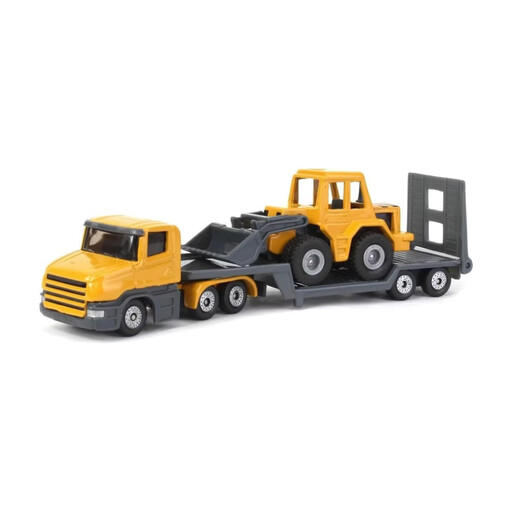
Why This Fits Their Persona: This set is ideal for children who want to do more than just play with one vehicle, but recreate entire logistics chains. Transporting the wheel loader to the construction site becomes the central play experience.
The robust construction of metal and plastic offers high stability. As a set, its play value is clearly defined, and the functions of the two vehicles are coordinated, which avoids the functionality trap.
A combination of two vehicles for expanded play possibilities; the low-loader trailer can be detached and has a movable loading ramp.
We have compiled a complete, up-to-date list of products that fully meet these strict selection criteria and safety regulations.
1. Which toy wheel loader is suitable for the sandbox? For use in the sandbox, models made of high-quality, UV-resistant plastic like ABS are particularly suitable. They are robust, and sand is less likely to jam the mechanics compared to more delicate metal models. Look for a sturdy construction without too many small crevices where sand can get stuck. Models from the Bruder brand are often a popular choice for outdoor use.
2. What does the scale on a toy wheel loader mean (e.g., 1:16)? The scale indicates the size ratio of the toy to the real vehicle. A scale of 1:16 means the toy is 16 times smaller than the original wheel loader. This scale is very common with manufacturers like Bruder and results in relatively large, highly playable models. Siku often uses smaller scales like 1:32 or 1:50, which makes the models more compact and collector-friendly.
3. How do you clean a toy wheel loader after playing outdoors? After playing in the sandbox, the vehicle should be cleared of coarse dirt. It's best to rinse it with clean water, especially the joints and moving parts like the axles and the loader arm. Then, let the toy air dry completely before using it indoors again. This prevents rust on metal parts and ensures the joints remain smooth.