
Lieferung heute & morgen

Qualitätsgarantie

Willkommens-Angebote freischalten: KOSTENLOSE Lieferung | Bis zu 80 % RABATT | Kostenlose 30-Tage-JoyPlus-Testphase
App herunterladen
Toys should suit a child’s age, stage of development and daily routine. But when you’re looking for toys for babies and children, many products can seem much the same: bright colours, sounds and claims such as ‘educational’ promise a lot, but say little about whether a toy is actually suitable. What matters is clear product information, an appropriate age recommendation and using the toy in a way that suits your child’s surroundings.
Many products are advertised with lights, music or lots of features. For babies, a simple grasping toy with easy-to-reach surfaces may be more practical than an electronic product with lots of sensory stimulation. When choosing a baby rattle or a motor skills toy, make sure its shape, weight and grip are right for your child.
A toy for children aged three and over isn’t suitable for younger babies, even if it looks harmless. Small parts, detachable components or hard-to-reach battery compartments can pose a risk. Before you buy, check the age recommendation on the packaging and product page, as well as any warnings.
Baby toys are often put on the floor, put in little mouths or used in the bath. Not every material is suitable for water, the washing machine or the dishwasher. Clean a fabric toy such as a soft doll according to its care instructions. Bath toys need to dry completely after use to prevent moisture building up inside.
The recommended age group is an important starting point, but it shouldn’t be the only factor in your decision. Also check:
For walking toys, bouncy toys and ride-on toys, also consider the flooring, available space and any places where your child could fall. A toy without a brake should be kept away from stairs, roads and sloping surfaces.
Material information such as polyester, silicone, PVC or polypropylene can help you choose, but it doesn’t replace the care instructions. Look for:
A baby grasping toy should feel comfortable to hold and have no damaged areas. Toys with crinkle features, mirrors or batteries need to be checked regularly. Battery compartments must stay closed, and batteries should be kept out of reach of young children.
When choosing a children’s race track, consider its length, the space needed to set it up and how it can be stored. For example, the flexible DIY racing track in our range is 4,5 metres long, has two lanes and can be rolled up for storage. The suction cups included are designed for smooth surfaces such as glass, tiles or metal. Before setting it up, check that the surface is clean, dry and stable.
A children’s bedroom night light shouldn’t be chosen on looks alone. Consider its power supply, where it will be placed, how it can be cleaned and how it’s operated. A plug-in model needs an accessible socket and mustn’t be covered by bedding or furniture. A rechargeable light, on the other hand, comes with different requirements for charging and accessories.
The recommendations below are based on age, how and where the toys will be used, and verifiable product information. Before you buy, also check the current product page and the information on the packaging.
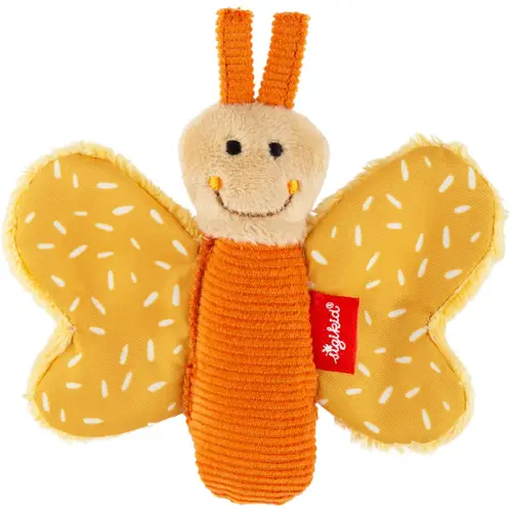
Why it suits this profile: According to the product information, this 9 cm butterfly design is suitable from birth and doesn’t need batteries. Different fabric surfaces and a sewn-in crinkle feature offer a variety of ways for babies to grasp and explore by touch.
The clear age recommendation and fabric design make it easier to choose. Stop using the toy if it shows signs of damage or heavy wear.
Machine washable at 30 °C, battery-free and made with several different textures.
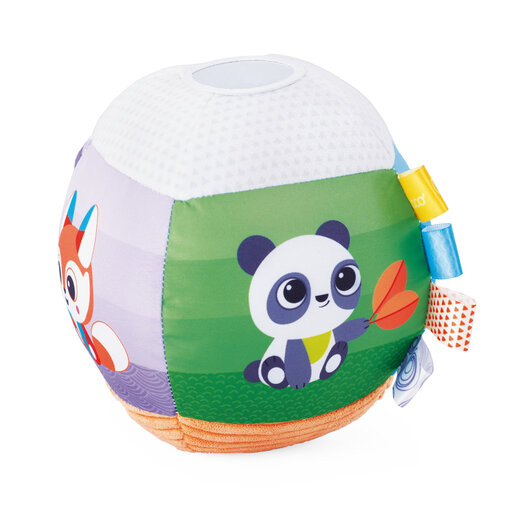
Why it suits this profile: This fabric ball combines different textures, hanging elements, music when moved and a mirror. The product information gives a minimum age of 0.5 years, but the warning on the product page says it isn’t for children under six. Check this conflicting information against the packaging before buying.
The removable battery cover makes cleaning easier. The different age recommendations also show why it’s important to check all warnings carefully.
Several fabric textures, hanging toys and two AAA batteries, according to the product information.
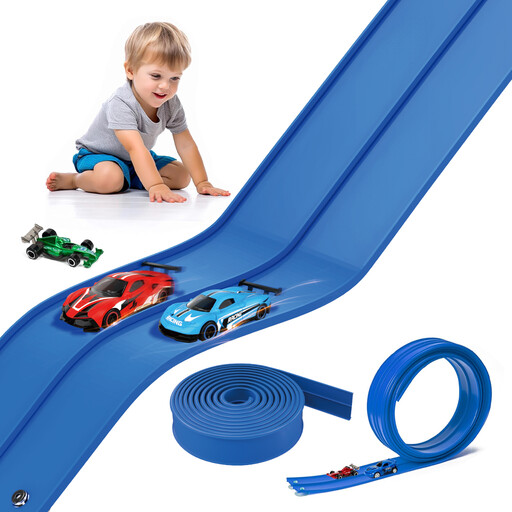
Why it suits this profile: This flexible two-lane racing track is designed for children aged three and over, and can be used indoors or outdoors. You can set it up in different ways and roll it up after playtime.
Its space-saving design helps solve a common storage problem. It contains small parts, so it’s specifically not suitable for children under three.
4,5 m long, with two lanes, four friction-powered cars and two suction cups for smooth surfaces.
We’ve put together a complete, regularly updated list of products that meet these strict selection criteria and fully comply with the safety regulations in force in the EU.
Lightweight products that are easy to grasp and have no loose small parts may be suitable for newborns. Check a fabric grasping toy or soft baby rattle regularly for tears, loose stitching and damaged parts. Always follow the age recommendation and the manufacturer’s specific warnings.
There’s no set period. It depends on the toy’s condition, material and how often it’s played with. Stop using it if you notice tears, exposed stuffing, damaged wheels or a loose battery compartment. Children’s toys can be used for longer if they suit your child’s stage of development and remain in full working order.
Electronic toys may need batteries or rechargeable batteries. Check whether batteries are included, which type you’ll need and whether the battery compartment can be closed securely. Toys that don’t need power, such as a fabric grasping toy or a manually operated racing track, have no running energy costs.