
Lieferung heute & morgen

Qualitätsgarantie

Willkommens-Angebote freischalten: KOSTENLOSE Lieferung | Bis zu 80 % RABATT | Kostenlose 30-Tage-JoyPlus-Testphase
App herunterladen
The choice of toys and board games ranges from LEGO building sets for children and Playmobil playsets to family games and travel games. Big themed worlds, high piece counts and eye-catching packaging can all influence your decision. What matters most, though, is whether a product suits the age of the player, the time you have available and how you want to use it.
An age recommendation is an important safety guide, but it doesn’t automatically tell you whether a game is right for your family. A board game for 2 to 8 players, for example, is suited to larger groups, while a travel game for 2 to 4 players is a better fit for holidays or short visits.
For building sets, parents should also consider whether their child has the patience and fine motor skills needed. Even if the recommended age seems right, a set with several hundred pieces can quickly feel overwhelming for a younger child.
Lots of pieces can make a creative construction toy more appealing, but they’re only useful if they suit the kind of play you’re looking for. A large LEGO set for adults is often designed for building and display. A LEGO building set for children, on the other hand, may include moving parts, figures and opportunities for imaginative play.
Before you buy, check:
For board games, the language of the instructions is a practical consideration. Storage matters too: cards, playing pieces and small building parts need to be kept somewhere dry and safe. Compact packaging or a fabric bag can be handy for travel.
If a toy has lights or sound effects, check whether it needs batteries and whether they’re included. For example, the electronic campfire feature in the PLAYMOBIL Camping Trip with Campfire runs on batteries, which the product information states are not included.
Check the age recommendation on the packaging against your family’s circumstances. For children aged 4 and over, for example, simple games or building sets with clear, manageable stages may be a good choice. Children’s board games should have rules you can explain without a long preparation session.
If you’re planning regular game nights, these details are particularly useful:
According to the product information, Ticket to Ride: Europe is designed for 2 to 5 players aged 8 and over and takes around 45 minutes or longer. Monopoly is designed for 2 to 8 players aged 8 and over. Details like these help you work out whether a product will fit your usual routine.
Follow the manufacturer’s information and safety guidance for toys made from plastic, paper or card. Many LEGO sets, figures and board games contain small parts. These aren’t suitable for children under 3 and should be kept out of their reach.
To help your games and toys last longer:
Themes can make it easier to choose. Minecraft LEGO, Harry Potter LEGO and Disney LEGO appeal to fans of particular characters or stories. LEGO Classic, by contrast, offers an open-ended starting point for your own creations. For imaginative play, Playmobil playsets with figures, animals and accessories are a good option.
Adult collectors should also consider the model’s size, display space and intended use. Sets such as LEGO Icons, LEGO Ideas and LEGO Architecture often work as both building projects and decorative pieces. For children, the focus is usually on being able to play with the set straight away.
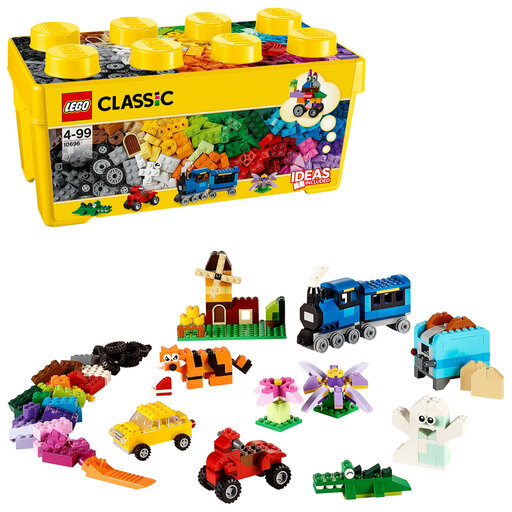
Why this product suits this profile: The box contains 484 pieces in 35 colours, as well as windows, eyes, wheels and baseplates. Suitable for children aged 4 and over, it offers plenty of ways to build freely.
The open-ended selection isn’t tied to a single film or character world. You can rebuild the set and combine it with LEGO bricks you already own.
A range of basic pieces, a storage box and building ideas included. Ideal for free building and creating your first models.
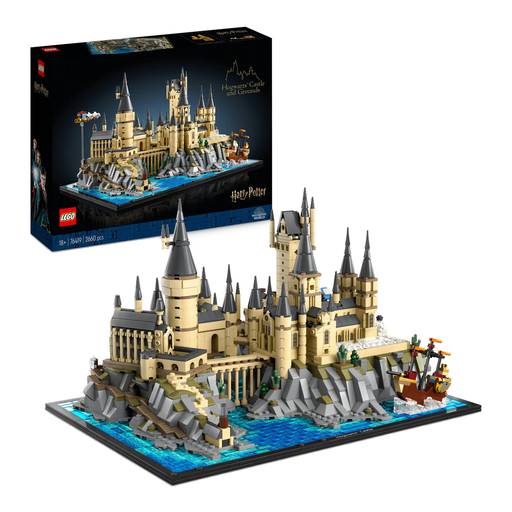
Why this product suits this profile: According to the product description, this set is designed for fans aged 18 and over and contains 2,660 pieces. It combines an extensive building project with a model that’s made to be displayed once complete.
The piece count, dimensions and target age group are clearly stated. You can check in advance whether you have enough time and display space for the building project.
A large model featuring castle rooms, landscape details and collector appeal. The model measures 21 × 35 × 25 cm.
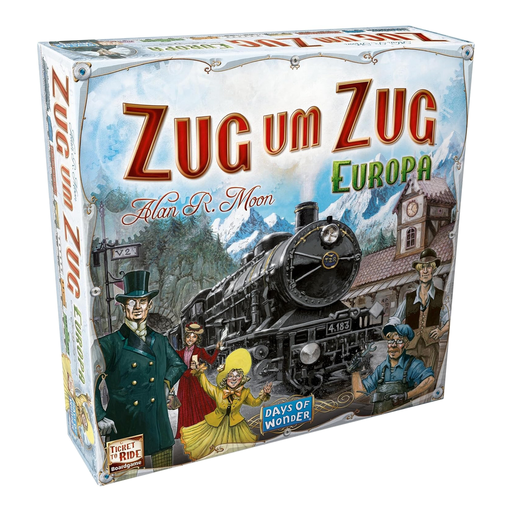
Why this product suits this profile: This German-language family game is designed for 2 to 5 players aged 8 and over. Players build routes between European cities, and according to the product information, a game takes around 45 minutes or more.
The number of players, minimum age, language and approximate playing time are all clear before you buy. This makes it easier to judge whether it’s right for regular game nights.
Strategic route-building, 250 game pieces listed and a format suited to families and experienced players alike.
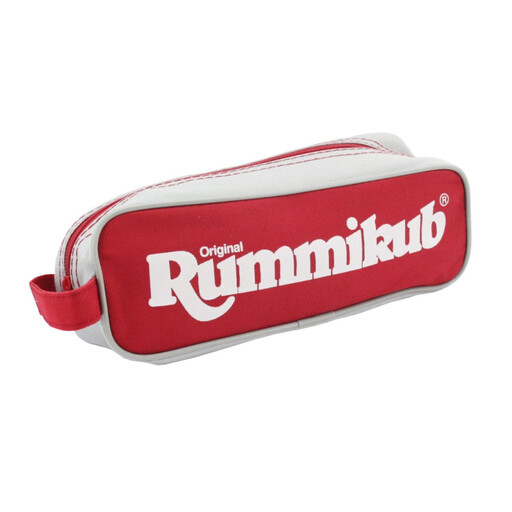
Why this product suits this profile: This portable version is designed for 2 to 4 players aged 7 and over, and comes in a storage pouch. That makes it handy for holidays, visits and small groups.
The product description lists the number of players, age range, language and storage pouch. You can check in advance whether it will fit in your suitcase or rucksack.
Compact storage, no batteries needed and a number-tile game for 2 to 4 players.
We’ve put together a complete, regularly updated list of products that meet these strict selection criteria and fully comply with the safety regulations in force in the EU.
Look for games whose minimum age, number of players and rules suit your family. Simple dice or matching games can be a good choice for younger children. From around age 8, more strategic family games such as Ticket to Ride: Europe or Monopoly may be suitable. The right choice depends on how long you want to play and what the players are interested in.
As well as the age recommendation, consider the piece count, finished size and features included. LEGO Classic boxes are a good open-ended starting point. Themed sets such as Disney LEGO or Minecraft LEGO, on the other hand, include characters and scenes from a particular world. Keep small parts away from children under 3.
When you’re on the move, compact dimensions, sturdy storage and an easy set-up are key. Travel games such as Rummikub in a pouch or compact family games usually take up very little space. If you’re buying a battery-powered toy, check beforehand whether it needs batteries and whether they’re included.