
Lieferung heute & morgen

Qualitätsgarantie

Willkommens-Angebote freischalten: KOSTENLOSE Lieferung | Bis zu 80 % RABATT | Kostenlose 30-Tage-JoyPlus-Testphase
App herunterladen
Toys should suit a child’s age, interests and everyday routine. However, product pages can often lead to disappointing purchases: features may sound impressive but end up barely being used. Other products look comprehensive, yet include small parts, unclear age guidance or accessories that need to be bought separately.
Three common buying pitfalls are:
For toys for children aged 3 and over, easy-to-grip parts, simple actions and straightforward rules are usually key. A fire engine with larger vehicles and moving parts can work well for imaginative play. A puzzle with lots of small pieces or a complex RC model, on the other hand, calls for more patience and coordination.
For toys for children aged 6 and over, construction, strategy and more precise controls become more suitable. For example, the LEGO NINJAGO Mech Dragon Battle Set is listed as containing 85 pieces, three minifigures and moving parts. The product description recommends it for ages 6 and over and warns that it contains small parts.
Before buying, parents and gift-givers should check for:
Take particular care with magnetic toys. According to the product description, the TOKKY set contains strong magnets and small parts. It is listed as suitable for ages 3 and over, but should be used under the direct supervision of an adult. Don’t overlook warnings like these just because a set has a high piece count.
Lights and sounds often require batteries. RC toys may also need a rechargeable battery, charging cable and batteries for the remote control. Before placing your order, check:
For example, a remote-control dinosaur is listed as requiring 3 AA batteries for the vehicle and 2 AA batteries for the remote control; the batteries are not included, according to the product information. The 4WD RC off-road truck, by contrast, is listed with a 7.4-volt lithium-ion battery with a capacity of 1,500 mAh, while its remote control requires 3 AA batteries.
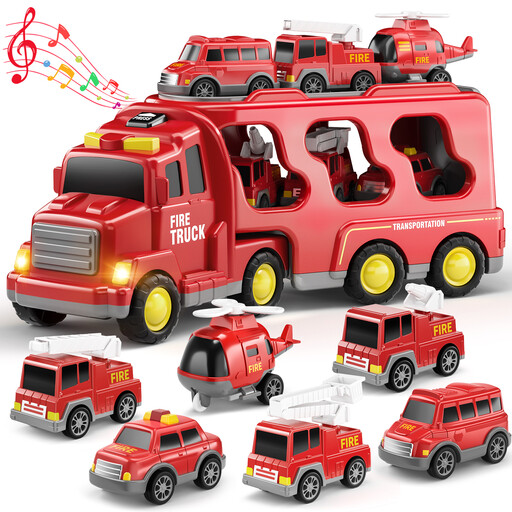
Why it suits this profile: The set pairs a transporter with five smaller vehicles and is listed as suitable for children aged 3 and over. It offers several simple ways to play, without needing any extra accessories.
The listed contents clearly set out the main components. The product details also cover the age recommendation, battery power, lights and sound.
Seven vehicle components, an extendable loading ramp and manually movable parts encourage imaginative play indoors and out.
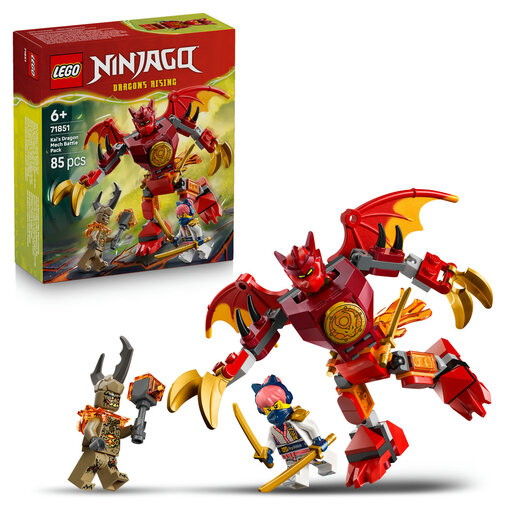
Why it suits this profile: This construction toy has a clearly listed set size of 85 pieces, three minifigures and an age recommendation of 6 and over.
The piece count, figures and dimensions are all specified. The small-parts warning makes it clear why adult supervision is needed.
Moving legs, a rotating upper body, a cockpit and three figures combine building with imaginative play afterwards.
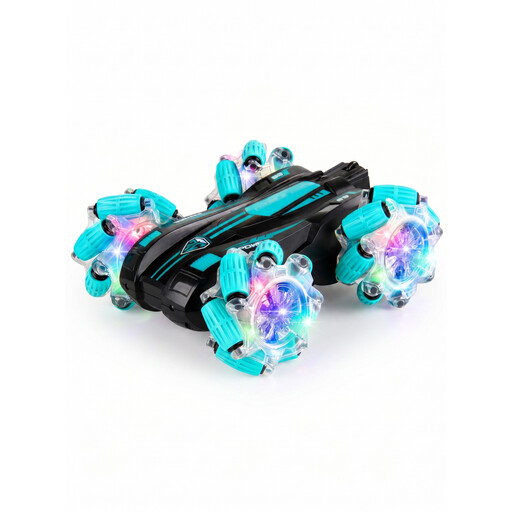
Why it suits this profile: This RC toy is aimed at children who enjoy driving vehicles and trying out different manoeuvres.
The product details specify the drive system, wheel size, LED lights and rechargeable battery. This helps buyers assess where they can use it and what the ongoing costs may be.
4WD, driving on both sides, sideways drifting and 360-degree turns make it suitable for flat indoor surfaces and appropriate outdoor areas.
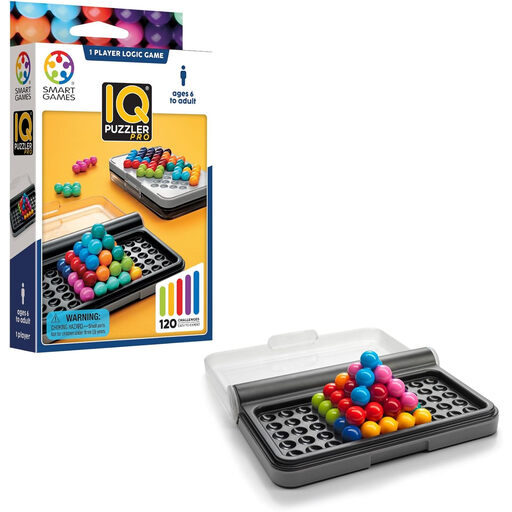
Why it suits this profile: This compact puzzle is designed for one player aged 6 and over, and doesn’t require batteries, according to the product information.
The product details list 120 challenges, three game modes, 13 pieces and a clear age recommendation. This makes it easier to see what’s included.
Its compact size, single-player format and 2D and 3D challenges make it a good choice for journeys, waiting times and quiet moments.
We’ve put together a complete, regularly updated list of products that meet these strict selection criteria and fully comply with the safety regulations in force in the EU.
Look for products with a clear age recommendation, easy-to-grip parts and simple ways to play. Adult supervision is particularly important when toys contain small parts, magnets or battery compartments. Always follow the manufacturer’s specific guidance on the packaging and product page.
Lifespan depends on the materials, construction, how the toy is used and how it’s stored. Check vehicles regularly for loose wheels, damaged edges and dirty moving parts. Rechargeable batteries and standard batteries are wear-and-tear components; for RC toys, charging and storage habits affect how long they last.
With toys that have lights and sounds, the main ongoing cost is usually batteries. RC models also need rechargeable batteries or charging cables. Before buying, check the battery type, what’s included, charging time and whether spare rechargeable batteries are available. For frequent use, a rechargeable battery may be more convenient than disposable batteries.