
Lieferung heute & morgen

Qualitätsgarantie

Willkommens-Angebote freischalten: KOSTENLOSE Lieferung | Bis zu 80 % RABATT | Kostenlose 30-Tage-JoyPlus-Testphase
App herunterladen
Toys for children aged 3 and over should be fun, encourage independent play and hold their interest for as long as possible. As children grow, they can do more, but the demands also increase: small parts, magnets, batteries and complex assembly instructions all call for careful consideration.
This buying guide explains what parents, grandparents and other family members should look out for. Alongside educational toys, Montessori toys and toys that develop motor skills, it also covers creative construction and role-play options.
‘Aged 3 and over’ does not mean that every child can use the product without supervision. A toy may be intended for this age group but still contain small parts or magnets, or require a challenging assembly process. It’s therefore important to consider:
Take particular care with magnetic building blocks. Swallowing magnets can cause serious injuries. Any damaged pieces with visible magnets should be discarded immediately.
Lights, sounds and battery power can grab a child’s attention, but they don’t necessarily provide open-ended play opportunities. A product with a few well-designed features may hold a child’s interest for longer than a toy that simply plays through a set sequence.
When choosing learning toys for children, it’s worth asking: can your child come up with their own solutions, make up stories or try out different ways to play?
A large play kitchen or an extensive construction set needs plenty of space. Without a designated place to store it, small parts can go missing and the toy may get used less in everyday life. Storage bags, boxes or drawers are useful for construction and sorting toys.
Look for the ‘not suitable for children under 3 years’ label, warnings about small parts and information about the supervision required. The CE marking is mandatory in the EU, but it shouldn’t be the only factor in your purchasing decision. It’s also useful to look for clear information from the manufacturer, a responsible person in the EU who can be contacted, and easy-to-follow instructions.
For products that use batteries, check the battery compartment and cover regularly. Keep button cells and loose batteries out of children’s reach.
Wooden toys should be well made and free from visible splinters. For plastic products, check for smooth edges, sturdy joints and materials with little or no odour. For example, the product details for XINQIYUAN’s magnetic building block set specify ABS plastic and smooth edges. However, manufacturer information is no substitute for regularly checking for cracks or loose parts.
Wipe-clean surfaces and clear care instructions are useful for everyday play. Textiles, kitchen accessories and role-play props are handled more often, so they should be easy to clean.
Depending on your child’s interests, different types of play may be suitable:
Terms such as ‘educational’ or ‘Montessori’ shouldn’t be judged in isolation. What matters more is what your child will actually do with the toy and whether it suits their stage of development.
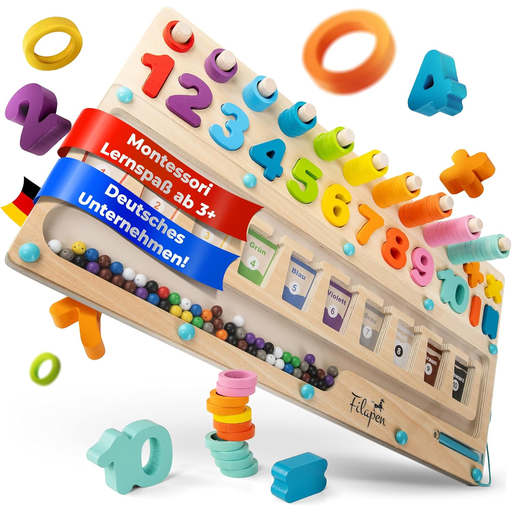
Why it suits this type of shopper: This wooden board combines a magnetic maze with colour matching and numbers from 1 to 10. It’s a good choice for families looking for a compact learning toy that doesn’t need batteries.
The play activities are easy to identify and don’t rely on changing battery-powered features. According to the product information, an adult must supervise children directly because the toy contains small parts.
Wooden construction, no batteries required and several activities on one board.

Why it suits this type of shopper: This height-adjustable wooden play kitchen is a great option for families who want to encourage lasting role play and playing together.
Check the dimensions and assembly requirements before buying. This makes it easier to assess how much space you’ll need than if you make an impulsive gift purchase.
Height-adjustable design, wood with an FSC claim, and metal and wooden accessories according to the product description.

Why it suits this type of shopper: This 28-piece set is designed for children who enjoy building patterns and simple 3D structures. The storage bag makes it handy for play at home or on the go.
The product information specifies the size of the pieces, notes their smooth edges and includes a warning about strong magnets. Check the building blocks for cracks and exposed magnets before every use.
28 magnetic pieces, hands-on play without batteries, and the option to build 2D and 3D designs, according to the product description.
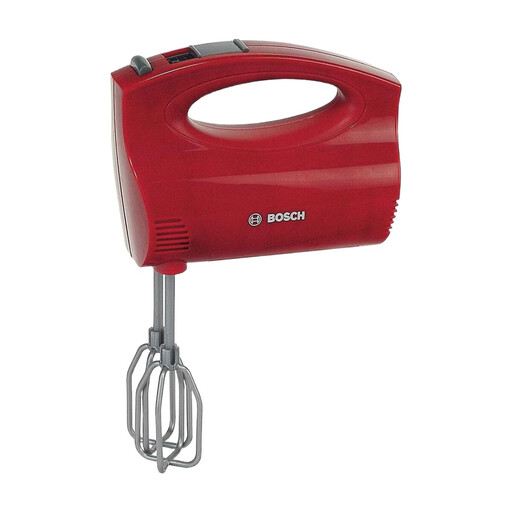
Why it suits this type of shopper: This battery-powered mixer is a useful addition to a play kitchen for children who like to imitate household routines in their role play.
Its features are focused on one clear theme for imaginative play. Removable beaters and the battery switch should only be used in line with the manufacturer’s instructions.
Rotating beaters, removable parts and operation with one C battery, according to the product information.
We’ve put together a complete, regularly updated list of products that meet these strict selection criteria and fully comply with the safety regulations in force in the EU.
A gift for a child aged 3 and over doesn’t have to be one large set. Combining a toy that develops motor skills with role-play accessories can cater to different interests. When choosing toys for boys and girls, focus on their abilities, interests and the space available rather than gender stereotypes.
Not every construction toy in the range is suitable for this age group. According to the product information, a mini building block set with 3.6 mm pieces and a very high part count is intended for older children, so it isn’t a suitable choice for a three-year-old. Baby toys labelled as suitable up to age 3 shouldn’t automatically be considered toys for children aged 3 and over either.
Toys that involve grasping, inserting, sorting, guiding or building are suitable options. A magnetic maze, age-appropriate construction toy or play kitchen accessories can encourage a variety of movements. The toy should be suited to your child’s stage of development.
Lifespan depends on the materials, construction, care and how often the toy is played with. Wooden toys can last a long time if used carefully; with magnetic toys, regular checks for cracks are particularly important. Battery-powered products also need working batteries and an intact battery compartment.
Yes. You may need to buy replacement batteries or rechargeable batteries in addition to the toy itself. If you’re considering products such as play kitchens, mixers or vacuum cleaners, check whether batteries are included. For lower ongoing costs, choose construction, sorting and motor skills toys that don’t need batteries.