
Lieferung heute & morgen

Qualitätsgarantie

Willkommens-Angebote freischalten: KOSTENLOSE Lieferung | Bis zu 80 % RABATT | Kostenlose 30-Tage-JoyPlus-Testphase
App herunterladen
Toys for children aged 3 and over should be fun, support their development and stand up to everyday use. The range includes everything from classic toys and educational toys to role-play toys, toys that develop motor skills and battery-free activities. However, not every product labelled with an age recommendation is automatically the right choice for parents, grandparents, relatives and nurseries.
“Suitable for ages 3 and over” is a useful guide, but it’s no substitute for checking small parts, the play environment and supervision advice. Building blocks, vehicles with accessories and magnetic construction pieces, in particular, may contain several small parts. Always check the packaging and product description for warnings and information on how the toy should be used.
Lights, music and sounds can seem appealing at first. However, they often use up batteries quickly and can limit how the toy can be used when the batteries run flat. A simple battery-free toy, such as a mechanical vehicle or flexible race track, can offer more open-ended play instead.
A play kitchen, shop or large vehicle set needs plenty of space for both storage and play. Before buying, check that the product dimensions, assembly requirements and storage needs suit your home or setting. Compact products with a carry handle or space-saving storage are usually easier to manage when travelling or living in a small home.
Look for the specific wording “for children aged 3 and over” and read all the safety information. Products with small parts are not suitable for children under three. Depending on a child’s stage of development, supervision may also be advisable for older children.
The CE mark indicates that the manufacturer declares the product meets the relevant EU requirements. However, it is not an independent quality mark. Information about standards such as EN 71 should be clearly provided in the product description or on the packaging. Claims such as “non-toxic” or “especially safe” should not be taken at face value as objective proof.
For plush toys, check the seams and surface for possible tears. For plastic toys, inspect the edges, wheels, joints and fastenings. With toys that develop motor skills and construction sets, make sure the pieces are easy to grip and that there are no unsecured small parts that may be unsuitable for the age group.
Check which batteries are needed, whether they’re included and whether the battery compartment closes securely. Battery-free toys have no ongoing battery costs. Keep electronic products away from water unless they’re specifically stated to be suitable for contact with it.
Follow the manufacturer’s care instructions. For example, plush toys shouldn’t automatically be put in the washing machine. A wipe-clean casing is handy for everyday use, while delicate mechanisms should be kept dry.
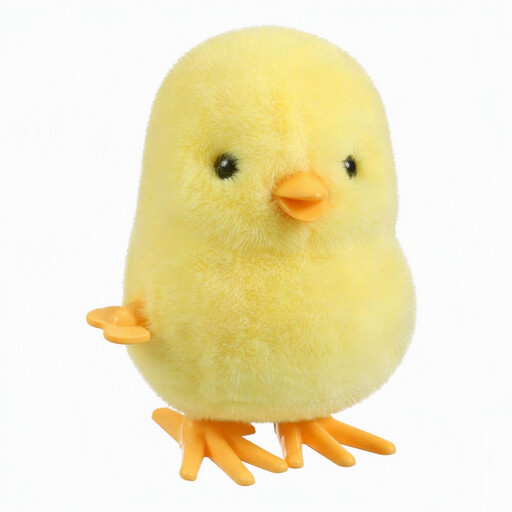
Why it suits this profile: According to the product information, this compact mechanical toy doesn’t need batteries and can be used on flat surfaces indoors.
The product details specify its size (8 × 6 × 9 cm), wind-up mechanism and the advice not to overwind the toy or clean it with water.
Compact design, a battery-free wind-up mechanism and simple controls. The manufacturer warns that the toy contains small parts and is suitable for ages 3 and over.

Why it suits this profile: This height-adjustable wooden kitchen is designed for regular role play in children’s bedrooms, nurseries and early years settings.
The product details give the dimensions (91 × 30 × 91 cm), state that assembly is required and specify that it runs on 2 AA batteries, making it easier to plan ahead.
Height-adjustable design, wooden and stainless-steel accessories, and lights and sound effects on the hob. Assembly and adult supervision are required.
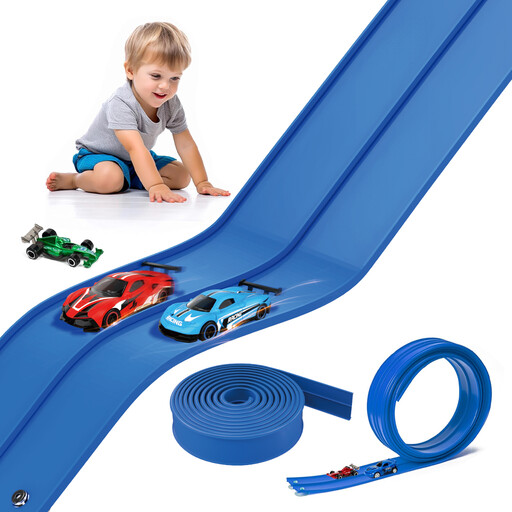
Why it suits this profile: This 4.5 m flexible race track is ideal for children who enjoy building, changing things up and playing with several vehicles.
The track doesn’t need batteries, can be rolled up and can be laid out with straight or curved sections. Small parts still require supervision.
Dual-lane track, four friction-powered cars, suction cups and, according to the product description, suitable for indoor or outdoor use. Its design is made for creative track layouts.
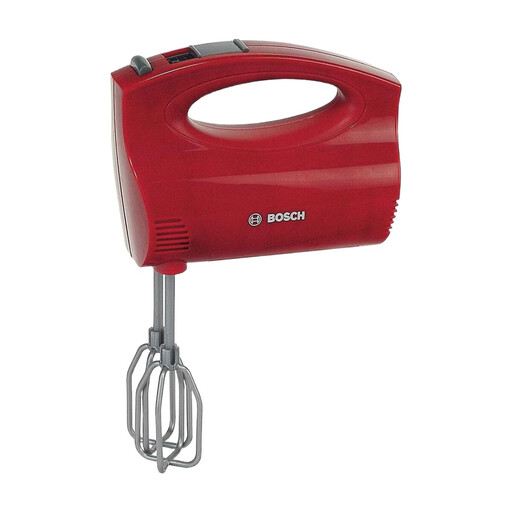
Why it suits this profile: This battery-powered hand mixer is a great addition to a play kitchen and for role play with parents, siblings or friends.
The product details specify the required 1-C battery, removable beaters and a switch, but no real heating or mixing function.
Rotating beaters, removable parts and a size of 19 × 7 × 12 cm. The manufacturer warns that the toy contains small parts and is suitable for ages 3 and over.
We’ve put together a complete, regularly updated list of products that meet these strict selection criteria and fully comply with the safety regulations in force in the EU.
Suitable products have an age recommendation, piece size and way of working that match a child’s stage of development. They include simple vehicles, role-play toys, toys that develop motor skills, construction sets and battery-free toys. Always follow the manufacturer’s warning when a toy contains small parts.
How long a toy lasts depends on its materials, mechanism, use and care. Regularly check the seams, wheels, joints and battery compartments. Don’t pass on damaged toys if this could expose small parts or internal components.
In addition to the purchase price, you’ll need to budget for batteries. Check how many are required and what size they are. According to the product information, mechanical toys such as wind-up toys and flexible race tracks don’t need batteries. Remove the batteries from electronic toys if they won’t be used for a long time.