
Lieferung heute & morgen

Qualitätsgarantie

Willkommens-Angebote freischalten: KOSTENLOSE Lieferung | Bis zu 80 % RABATT | Kostenlose 30-Tage-JoyPlus-Testphase
App herunterladen
Toys for children aged 3+ should suit their age, your living space and their interests. Parents, grandparents and anyone buying a gift also need to consider small parts, material details, dimensions and how much supervision a toy requires. Eye-catching packaging or a long list of accessories doesn’t, on its own, tell you how practical a toy will be for everyday play.
“From 3 years” isn’t a blanket recommendation for every child. Some sets contain small accessories, battery compartments or moving parts that require close supervision. So check not only the age label, but also the warnings and recommended use.
Small parts in figure sets, a toy doctor’s case or a toy till can easily get lost. For younger children within the stated age range, a simpler set is often easier to manage than a large one with lots of individual pieces.
A toy kitchen can be much larger than you expect. For example, the Theo Klein Miele Family Kitchen measures 83,5 × 30 × 101 cm and weighs 16,3 kg. It also needs to be assembled. Before buying, check that you have enough space for it and can set aside time for an adult to put it together.
A toy pushchair also needs room to be pushed around and folded away. In smaller homes, a folding model or more compact household toys are often more practical.
Depending on the product, light and sound features need batteries, which are often not included. For example, the Bow and Arrow Set needs two AA batteries for its LED function. The Theo Klein hand mixer runs on one C battery. Before giving a toy as a gift, it’s worth checking the battery type, what’s included and how easy it is to access the battery compartment.
Follow the manufacturer’s instructions when cleaning toys with electronic components. Often, they should only be wiped with a dry or slightly damp cloth.
Look out for the label “not suitable for children under 3 years” and check for warnings about small parts and supervision. For children aged 3 to 5, close supervision is particularly important when a toy has lots of small accessories, moving mechanisms or batteries.
For archery toys, only use the arrows supplied for the toy. The Bow and Arrow Set includes suction-cup arrows, a target and a quiver. According to the product information, it has been tested to ASTM-F963 and meets the requirements set out in that standard. Check the arrows and suction cups regularly for wear or damage.
The dimensions determine whether a toy is suited to your child’s height and the space available. The handle on the Amia toy pushchair is about 58 cm high. Its folding metal frame makes it easier to store, while the fabric parts should be checked for care instructions and how easily they may get dirty.
For wooden toys, details such as materials, assembly and surface care are important. The Theo Klein Miele Kitchen is described as being made from FSC-certified wood-based material. With larger models, check that all the screws are tight after assembly.
Role-play toys can recreate all sorts of everyday situations: cooking, shopping, visits to the doctor, household chores or looking after dolls. What matters is whether your child is interested in the theme and whether the accessories can be used with toys they already have.
A toy doctor’s case, for example, is ideal for short role-play sessions with dolls and soft toys. A toy till with a scanner, play money and a shopping basket offers several ways to play. However, its light and sound effects need batteries, and an adult may need to help with assembly.
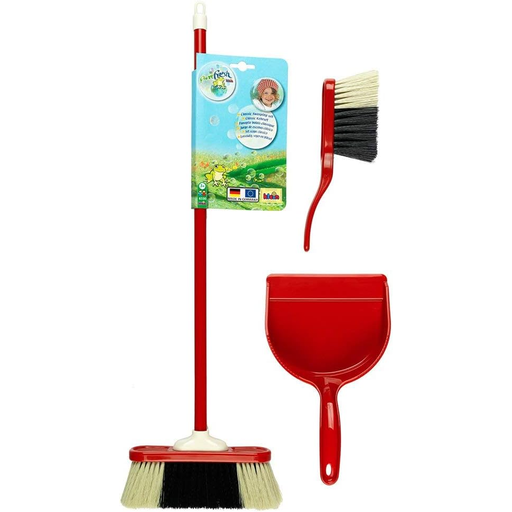
Why it suits this type of shopper: This three-piece toy cleaning set includes a broom, hand brush and dustpan, with no batteries or assembly required.
It’s clear what’s included, with no extra battery costs or complicated assembly to worry about.
Three pieces, plastic construction, 61,5 cm long and no power supply needed.

Why it suits this type of shopper: This height-adjustable wooden kitchen has several play areas and comes with wooden and stainless-steel accessories.
The product details list its dimensions, weight, materials, battery type and assembly requirements, making it easier to plan for the space it needs.
Height-adjustable design, FSC-certified wood, and light and sound effects on the hob.
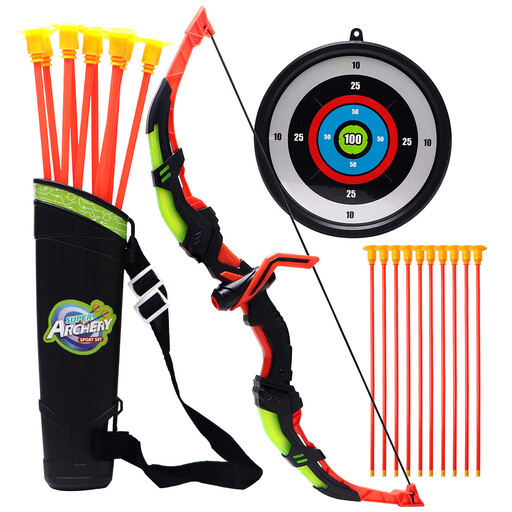
Why it suits this type of shopper: Designed for use indoors and outdoors, this set includes a bow, nine suction-cup arrows, a quiver and a target.
The contents and battery requirements are clearly listed. Damaged arrows or suction cups can be easily identified and set aside.
Two LED modes, manual use without batteries when shooting, and product dimensions of 20 × 10 × 25 cm.
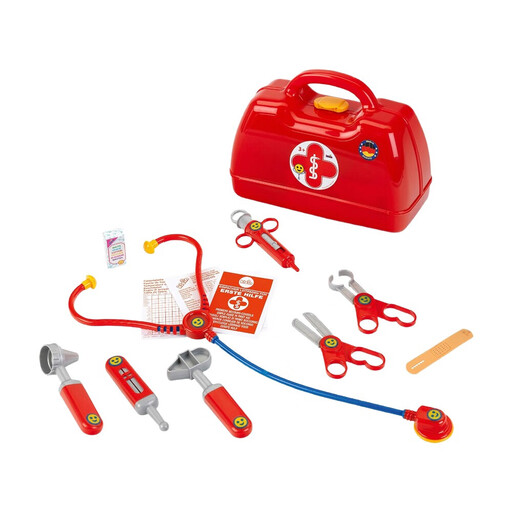
Why it suits this type of shopper: This portable toy doctor’s case includes a stethoscope, thermometer, syringe, reflex hammer and otoscope, among other instruments.
The product description lists each instrument and gives the case dimensions as 24 × 11 × 19 cm.
Weighs 370 g, has a carry handle and requires no batteries.
We’ve put together a complete, regularly updated list of products that meet these strict selection criteria and fully comply with the safety regulations in force in the EU.
Depending on your child’s interests, these categories may also be worth considering:
Suitable options include age-labelled role-play toys, simple building sets, toy kitchens, toy pushchairs, household toys and creative sets. The key things to consider are the warnings, the size of the pieces, the material details and whether your child can use the toy safely.
How long a toy lasts depends on its materials, how it’s used, how it’s stored and how well it’s cared for. Check seams, wheels, suction cups, screws, battery compartments and small parts regularly. Don’t continue using any damaged components. With wooden toys, check the joints after assembly and from time to time during use.
Toys without electronics usually have no ongoing costs. Light and sound features, however, need batteries, which often have to be bought separately. Before you buy, check the battery type, quantity and how easy it is to access the battery compartment. For consumables and craft sets, also check whether you’ll need to buy refills and whether they’ll remain suitable for your child’s age.