
Lieferung heute & morgen

Qualitätsgarantie

Willkommens-Angebote freischalten: KOSTENLOSE Lieferung | Bis zu 80 % RABATT | Kostenlose 30-Tage-JoyPlus-Testphase
App herunterladen
Children’s toys should suit their age, interests and family routine. But bright colours, lots of accessories or well-known brand names don’t automatically make for a good purchase. What matters is clear information such as the age recommendation, part size, materials, dimensions and supervision requirements.
This buying guide explains what parents, grandparents and other family members should look for when buying toys for children aged 18 months to 5 years and older.
A toy recommended for ages 3 or 4 and up isn’t automatically suitable for younger siblings. Small figures, accessories and building blocks can pose a choking risk. Even if a child already seems dextrous, you should follow the manufacturer’s guidance.
Check:
For example, LEGO DUPLO 10414 is listed as suitable from 18 months. PLAYMOBIL sets such as the Asterix Village Banquet or the Princess Castle, on the other hand, are aimed at children aged 4 and over. This is particularly important when buying for siblings of different ages.
A large number of pieces can seem appealing at first. But what really matters is whether your child can make up their own stories and combine the toy with figures or accessories they already have.
Role-play toys such as a play kitchen, dolls’ house or PLAYMOBIL playset are especially suited to children who enjoy acting out everyday situations. With creative toys, consider whether materials need to be replaced regularly and how easy the set is to clean.
A play kitchen measuring 70 × 30 × 95 cm needs considerably more floor space than a small modelling clay set. Before buying, check the room, storage options and whether your child can reach it comfortably. Larger products may also require assembly time, batteries and, in some cases, secure fixing.
The age recommendation is a key factor when choosing a toy. Toys with small parts that could be swallowed are generally unsuitable for children under 3. The CE marking indicates that the manufacturer declares the product meets the applicable EU requirements. However, it doesn’t replace checking the warnings and making sure the toy is used appropriately.
For toys intended for children under 3, parents should pay particular attention to large, easy-to-grip parts and simple ways to play. Toys for ages 3 and over may include more complex construction sets, figures and accessories, provided the child can use them safely.
Plastic can usually be cleaned with a damp cloth or under running water. Electronic components, however, must not be immersed in water. Wooden or MDF toys should be checked regularly for splinters, loose joints and damaged surfaces.
Look for products with:
Educational toys don’t have to look like classroom materials. A set that explores feelings, everyday activities, language or fine motor skills through role play can easily fit into family life. LEGO DUPLO, Play-Doh toys, role-play toys and creative toys appeal to different interests.
Before buying, ask yourself:

Why this product suits this profile: Designed for children aged 18 months and over, this set brings familiar daily routines to life with four animal figures and two buildable houses. It’s a simple way to get started with shared play.
The age recommendation of 18 months and over, along with the manageable number of pieces, helps you avoid choosing a set that’s too complex for a toddler.
Four animal figures, interchangeable facial expressions and two rebuildable houses; clean with a damp cloth.
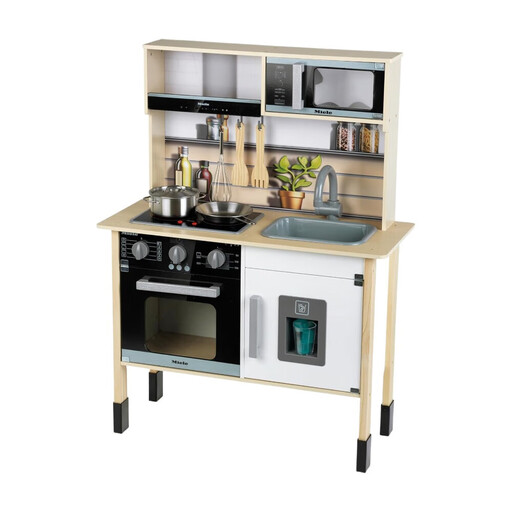
Why this product suits this profile: Made from MDF, this play kitchen measures 70 × 30 × 95 cm and is intended for children aged 3 and over. It’s a good fit for homes with enough floor space and where role play is a regular part of playtime.
The stated dimensions make it easy to work out how much space you’ll need before buying. Assembly is required, so be sure to allow time for it.
MDF construction, removable sink, hob with lights and sound, plus metal and wooden accessories; requires two AA batteries.
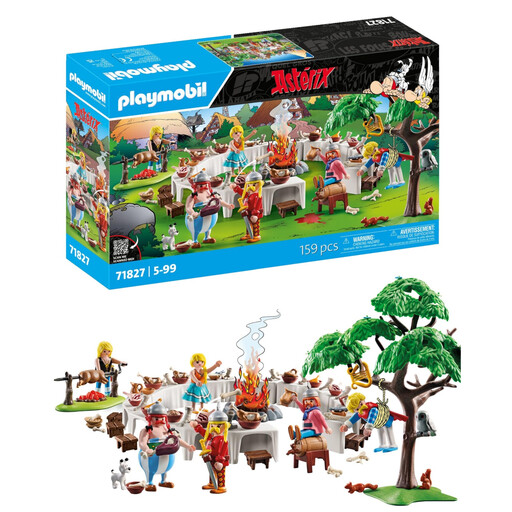
Why this product suits this profile: This 159-piece set is recommended for children aged 4 and over. It’s a good choice for fans of character-led worlds and stories who enjoy building scenes and combining them with other PLAYMOBIL playsets.
The number of pieces, set dimensions of 25 × 24 × 23 cm and age warning are clearly stated. Small parts require close supervision.
159 pieces including Asterix, Obelix and village figures, a feast table and a spit; no batteries required.
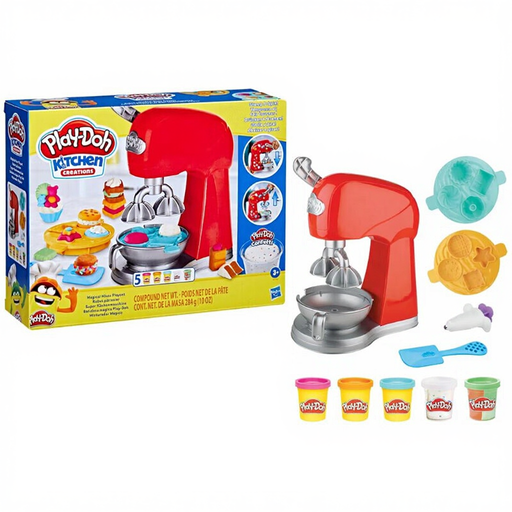
Why this product suits this profile: Suitable for children aged 3 and over, this Play-Doh set combines modelling with kitchen role play. It’s ideal for children who enjoy creating, pretending to prepare ingredients and coming up with their own games.
The age recommendation, warning about small parts and advice to clean with a damp cloth give you clear guidance on use and care.
Mixing sounds, lights, a mixing bowl, measuring cup and spoon; according to the product information, no batteries are required.
We’ve put together a complete, regularly updated list of products that meet these strict selection criteria and fully comply with the safety regulations in force in the EU.
For children aged 18 months and over, consider sets with larger, easy-to-grip pieces and simple ways to play. According to the product information, LEGO DUPLO 10414 is designed for this age group. Parents should still read the warnings and check the toy regularly for damaged or loose parts.
Small parts are often part of the design of toys for ages 3 and over. Check whether your child can use figures, modelling clay, accessories or building blocks safely. Close supervision can be helpful, particularly with new sets, siblings of different ages and elaborate role-play worlds.
How long a toy lasts depends on its materials, construction, storage and how often it’s played with. Moving parts should be checked regularly. Depending on the product, plastic parts can be cleaned with a damp cloth, while electronic functions and battery compartments must be kept dry. Toys with compatible pieces or open-ended role-play possibilities can also be used in different ways over a longer period.