
Lieferung heute & morgen

Qualitätsgarantie

Willkommens-Angebote freischalten: KOSTENLOSE Lieferung | Bis zu 80 % RABATT | Kostenlose 30-Tage-JoyPlus-Testphase
App herunterladen
Choosing toys for children and families often starts with colourful pictures and big promises. What matters, though, is whether the product suits the child’s age, the space available and how it will be used. Before buying, parents, grandparents and families should pay particular attention to safety information, materials, what’s included and how well the toy will work in everyday life.
Many play sets contain lots of individual pieces, but may only be practical to use with a particular accessory. So check whether balls, shapes, a storage bag, bats or a play surface are actually included. A large set isn’t automatically suitable for several children or different age groups.
Small balls, magnets, marbles and removable accessories can pose a risk to younger children. Don’t base your buying decision on the “from 3 years” recommendation alone. The child’s maturity, ability to follow rules and the level of supervision needed all matter too.
Outdoor toys need plenty of space and should be stored somewhere dry after use. A balance game or children’s golf set can also be used indoors, but you’ll need a clear, safe area. For ball pits and ball games, you should also consider hard edges, delicate furniture and the size of the balls.
Check the age recommendation, warnings and labelling on the packaging. With magnetic building blocks, it’s particularly important that the magnets are securely enclosed and that any damaged pieces are removed straight away. Swallowing several small magnetic parts can cause serious injuries, so magnetic products should be kept away from young children unless they’re supervised.
For craft and experiment kits, also check whether an adult needs to be present throughout use. According to the product information, the Kosmos “Glow-in-the-Dark Bouncy Ball Power” set is for children aged 8 to 12 and requires adult supervision.
For everyday use, look for smooth edges, sturdy joins and clear information about the materials. For plastic products, the description should name the material as specifically as possible, such as ABS plastic. With wooden toys, check the finish, moving parts and any small metal balls.
Also check whether the product is washable or should only be cleaned with a damp cloth. For battery-powered toys, consider the battery compartment, battery type and any instructions for keeping the product dry.
A board game for children usually only needs a table, while sports toys for children need more room to move around. A children’s golf set may require extra batteries. The materials in an experiment kit may run out after a few rounds of play. So check whether refills are available and how the toy should be stored.
For families whose interests change over time, creative toys, educational toys and magnetic building blocks that can be combined can all be useful additions. If you play in the garden regularly, you might prefer a bocce or ball game set.
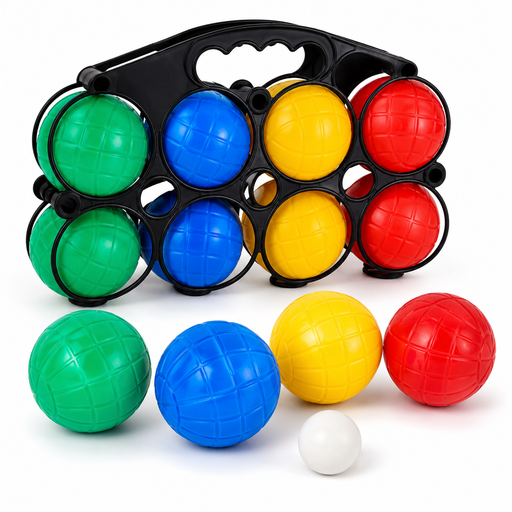
Why this product suits this profile: Designed for playing together in the garden or another suitable outdoor space, the set includes eight coloured balls and a target ball.
The stated contents list all eight balls and the target ball. Before buying, check the space you have, storage options and the age recommendation.
Eight pieces for several players; ideal for family activities and creative outdoor play.
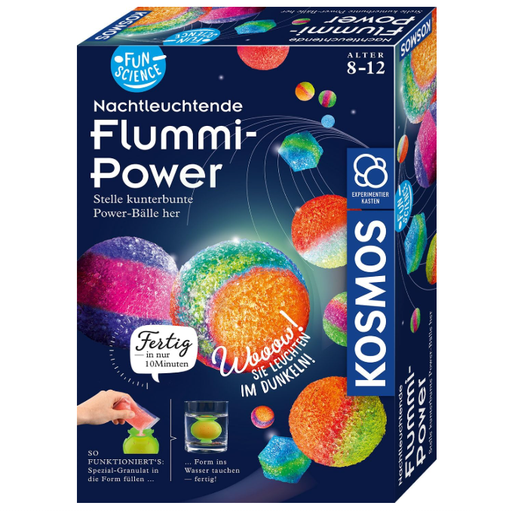
Why this product suits this profile: This craft and experiment kit includes granules in six colours, three glow-in-the-dark colours, two moulds and googly eyes for a guided project.
The recommended age range of 8 to 12, hands-on use and need for supervision are all clearly stated.
Make 20 bouncy balls; the moulds and choice of colours give the creative process a clear structure.
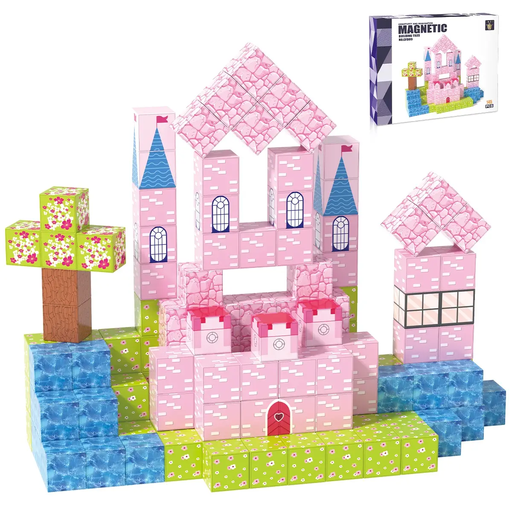
Why this product suits this profile: According to the product information, the set is intended for children aged 3 and over. It includes magnetic tiles, magnetic balls, instructions and a storage option.
The description explains the magnetic construction, age recommendation and clear warnings about small magnetic parts. Damaged pieces must be discarded.
145 pieces for all kinds of building ideas; according to the product information, it can be combined with other magnetic blocks measuring 2.5 cm.
We’ve put together a complete, regularly updated list of products that meet these strict selection criteria and the safety regulations in force in the EU.
Colouring and craft pens are another good option for creative play, as long as they’re suitable for the child’s age and are capped after use. A children’s golf set can be a good choice for practising controlled movement indoors or outdoors. Check the length of the clubs, batteries, ball material and the amount of clear space needed.
For board games for children, make sure the rules and playing time suit your family. Compact games, such as a wooden balance game, are practical for families short on storage space. If the product contains small balls or marbles, follow the stated age recommendation particularly carefully.
Look for products with a clear age recommendation, a straightforward way to play and no small parts that are freely accessible. Magnetic building blocks may be intended for children aged 3 and over, but they should always be used under supervision and checked regularly for damage.
How long a toy lasts depends on its materials, how often it’s used and how it’s stored. Outdoor toys should be kept clean and dry. Plastic parts shouldn’t be used if they have cracks or sharp edges. For experiment kits, bear in mind that the consumable materials may only last for a limited number of uses.
Before buying, check whether you’ll need batteries, refill granules, replacement balls or other accessories. For battery-powered toys, check the battery compartment and stated battery life. A set that’s played manually will usually have fewer ongoing costs, but it may need an adult to help or join in.