
Lieferung heute & morgen

Qualitätsgarantie

Willkommens-Angebote freischalten: KOSTENLOSE Lieferung | Bis zu 80 % RABATT | Kostenlose 30-Tage-JoyPlus-Testphase
App herunterladen
Finding the right toys for children aged 3 and up can be a challenge. The market is filled with products that promise joy and development. However, not every toy lives up to the claims on its packaging. As a parent, grandparent, or friend, you want to give a gift that is safe, provides lasting enjoyment, and meaningfully supports a child's development.
This guide will help you identify common purchasing pitfalls and make an informed decision. We focus on objective criteria that distinguish a good toy from an unsuitable one, whether it's a birthday gift for boys and girls or a Christmas gift for toddlers.
Before deciding on a product, it's helpful to know the typical flaws that often only become apparent after unboxing.
To avoid the pitfalls mentioned above, you should check three key aspects. These will help you objectively assess the quality and actual play value of a product.
The child's safety is the top priority. Pay attention to the following points:
A child aged 3 or 4 is rapidly developing their motor and cognitive skills. The toy should reflect this stage of development.
A good toy can be used in various ways and encourages interaction away from screens.
Here are some product ideas tailored to the different interests and play styles of children aged three and up, which also meet the criteria mentioned above.
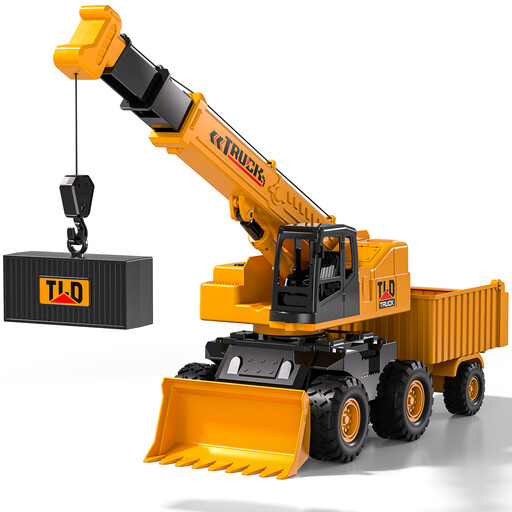
Why this product is a great fit: Ideal for children fascinated by construction sites and vehicles. It combines multiple play functions (crane, dump truck, bulldozer) in one sturdy toy and encourages imaginative role-playing.
According to the manufacturer, the toy is made of thick, durable ABS plastic and requires no batteries, thus avoiding the pitfalls of a short lifespan and follow-up costs.
Its multifunctionality provides long-lasting, screen-free fun and promotes an understanding of technical concepts through manually operated elements.

Why this product is a great fit: A modern alternative to paper and pens. Perfect for quiet activity at home or on the go. It encourages creativity and early writing attempts without making a mess.
The tablet is erasable and reusable at the touch of a button, eliminating follow-up costs for paper or pens. The ABS plastic housing with rounded edges is designed for durability.
Lightweight, portable, and easy to use. A clean and eco-friendly way to foster children's creativity. According to the manufacturer, the material is non-toxic and safe.
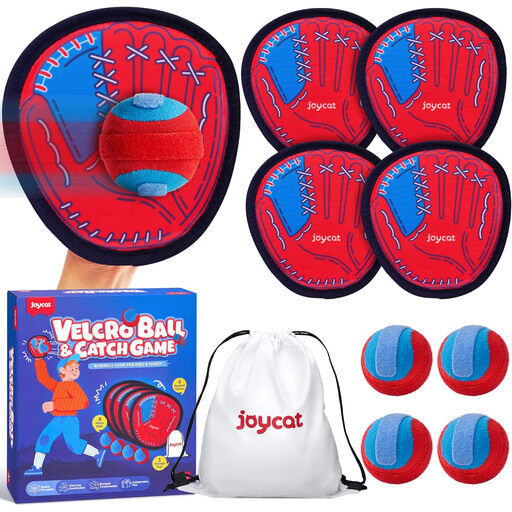
Why this product is a great fit: A classic **outdoor toy** that promotes physical activity and hand-eye coordination. Thanks to adjustable hand straps, it's suitable for both children and adults, making it an ideal game for the whole family.
The sturdy hook-and-loop construction is simple and durable. The game requires no batteries or complex mechanics that could break. It focuses purely on play value.
Promotes social interaction and physical activity in the fresh air. The set is lightweight, portable, and can be taken anywhere—whether to the park, the beach, or the garden.
The selection of toys is vast. If you're looking for gift ideas for slightly older children, we have compiled a list of products that also meet strict selection criteria.
1. What should I look for regarding the CE marking on toys? The CE marking is a self-declaration by the manufacturer that the product complies with EU directives. It is a basic requirement but not a guarantee of the highest quality. Additionally, pay attention to the overall workmanship, the materials used, and the manufacturer's age recommendation. For toys intended for children under three, particularly strict rules apply regarding small parts that can be swallowed.
2. How do I properly clean and care for plastic toys? Most hard plastic toys (like ABS) can be easily cleaned with a damp cloth and mild soapy water. Avoid aggressive cleaning agents, as they can damage the material or leave harmful residues. Let the toy air dry completely before it is used again.
3. From what age is a scooter suitable for a child? A three-wheeled scooter is often a good choice for children from around the age of three, as it offers more stability than a two-wheeled model. It helps to train their sense of balance and coordination. It is important that the child can stand and walk securely on both feet. Look for a model with a non-slip deck, a functioning brake, and a height-adjustable handlebar that can grow with the child. Wearing a helmet should be a given.