
Lieferung heute & morgen

Qualitätsgarantie

Willkommens-Angebote freischalten: KOSTENLOSE Lieferung | Bis zu 80 % RABATT | Kostenlose 30-Tage-JoyPlus-Testphase
App herunterladen
Toys for children aged 3 and over should be fun, encourage independent play and suit your child’s stage of development. Products can also vary considerably in their recommended age, piece size, materials, battery use and storage requirements. So an eye-catching box or a long list of features doesn’t necessarily tell you whether a toy will really work for your family.
‘Suitable from age 3’ doesn’t automatically mean that every three-year-old will find the toy easy to use. Small accessories, complicated assembly instructions or electronic features may be too much for younger children. The specific age recommendation, warning notices and whether your child will use the toy under supervision are what really matter.
One example is the PLAYMOBIL 71542 Asterix: Roman Camp. According to the product information, this set is intended for children aged 5 and over and contains 181 pieces, including 175 accessories. It is not suitable for younger children because of the small parts.
Lights, sounds, remote controls and motors may look appealing at first. However, they can mean more maintenance and ongoing costs for batteries. If you’re buying remote-controlled toys, check whether rechargeable batteries are included, which batteries the remote control needs and whether replacement parts are available.
Manual toys, such as construction toys, vehicles and animal figures, usually don’t need a power source. This can make them easier to store and ready to play with at a moment’s notice.
A large playset can offer plenty of play value, but it needs a dedicated space. According to the manufacturer, the AquaPlay Adventureland measures 138 × 88 × 47 cm. It may be a good fit for a balcony, garden or large bedroom, but if you live in a smaller home, measure the available space first.
Look for age recommendations such as ‘suitable from age 3’, ‘suitable from age 4’ or ‘suitable from age 5’. The recommended age should match your child’s stage of development. If a product contains small parts, the warning about choking applies regardless of how appealing the design may be. A storage box is useful for sets with lots of accessories.
The CE mark indicates that the manufacturer declares the product meets the relevant EU requirements and is responsible for its conformity. However, it is not a quality mark and doesn’t replace checking the age recommendation, build quality and warning notices.
For plastic toys, rounded edges, sturdy joints and easy-to-clean surfaces are practical features. Vehicles made from metal and plastic can be good for imaginative play, while soft PVC parts can be used in different ways. Check wheels, joints, battery compartments and removable parts regularly for damage.
If your child often plays with toys outdoors, durable materials and easy cleaning are particularly important. Dry water toys thoroughly after use to stop residue building up in hard-to-reach areas.
Think about whether your child enjoys building things, making up stories, trying out rules or moving vehicles around. Educational toys don’t have to feel like lessons: board games for children, for example, can help develop counting and turn-taking, while toy cars can encourage spatial thinking and imaginative play.
Also check:
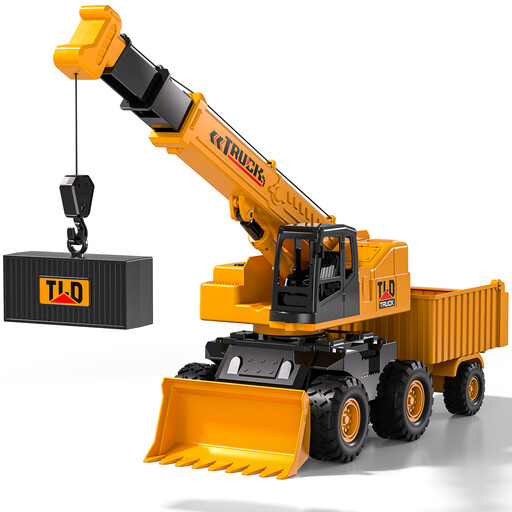
Why it suits this profile: This manually operated vehicle offers several ways to play without batteries and, according to the product information, is suitable for children aged 3 and over.
No batteries or electronic set-up needed: the boom, hook, trailer and shovel are all moved by hand.
Five functions, a sturdy plastic design and suitable for both indoor and outdoor play.
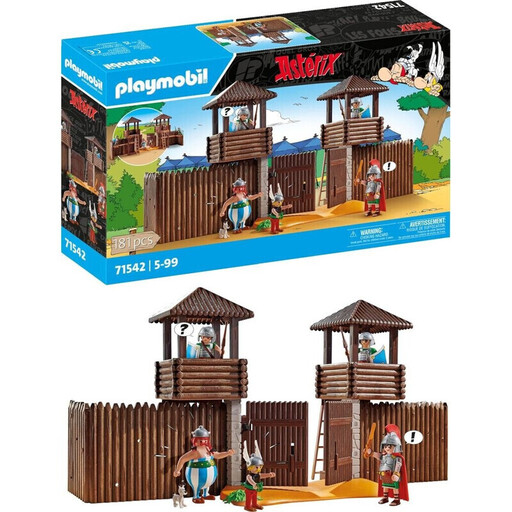
Why it suits this profile: This extensive role-play set is designed for children aged 5 and over, with a clearly defined play world full of figures and accessories.
The number of pieces and recommended age are clearly stated, so you can work out the space and supervision needed before buying.
Five figures, an animal and 181 pieces for creative role play; no batteries needed.
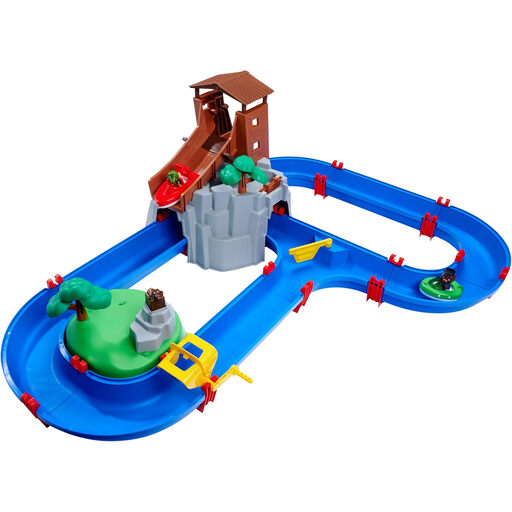
Why it suits this profile: For families with a garden or suitable outdoor space, this water track combines repeatable play with fun together.
Its generous dimensions of 138 × 88 × 47 cm are clearly stated, so you can plan for the space before buying.
Water flow, a lift, a slide, two boats and two figures; no batteries needed.
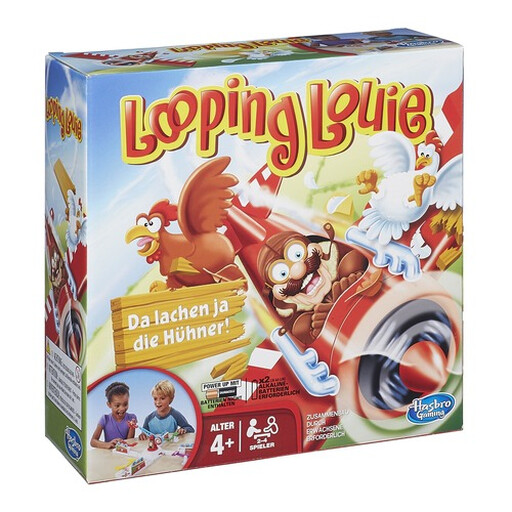
Why it suits this profile: The game is designed for 2 to 4 players aged 4 and over and, according to the product description, takes around 10 minutes to play.
The number of players, recommended age and short playing time are all clearly stated in advance; batteries are needed to make the plane move.
A game board for 2 to 4 players, simple rules and a compact family game for quick rounds.
We’ve put together a complete, regularly updated list of products that meet these strict selection criteria and the safety requirements in force across the EU.
Look for products clearly marked as suitable from age 3, with sturdy parts and as few small, swallowable pieces as possible. Parents should read the warning notices and, when introducing a new set, start by playing together with their child.
Lifespan depends on the materials, how the toy is used and how it’s stored. Sturdy plastic vehicles can last a long time if they’re looked after. Electronic toys also need regular checks of the battery compartment, cables and moving parts.
Ongoing costs mainly come from buying batteries or charging rechargeable ones. Before you buy, check whether batteries are included, which types are needed and whether the product has a rechargeable battery.