
Lieferung heute & morgen

Qualitätsgarantie

Willkommens-Angebote freischalten: KOSTENLOSE Lieferung | Bis zu 80 % RABATT | Kostenlose 30-Tage-JoyPlus-Testphase
App herunterladen
Finding the right toys for children can quickly become a complex task. Whether you're looking for gifts for kids for a birthday, a special surprise, or Christmas gifts for children, the selection is vast and the manufacturers' promises are often grandiose. As a Joybuy Product Recommendation Officer, I see it as my duty to provide you with objective and practical guidance. This guide will help you sidestep common purchasing traps and make an informed decision.
Before we delve into the selection criteria, it's important to be aware of the most common problems that often only become apparent after the box is opened.
To avoid these pitfalls, you should focus on three objective core parameters. These will help you assess a toy's true value, independent of marketing messages.
Safety is the highest priority. Look for two essential markings:
The age rating, such as toys for ages 3 and up, is also critical. It indicates that the toy may contain small parts that pose a choking hazard for younger children.
A good toy should be robust and stimulate the imagination. Instead of focusing on flashing lights and loud noises, consider the following aspects:
Based on these objective criteria, we have identified several products that are well-suited for different types of play.
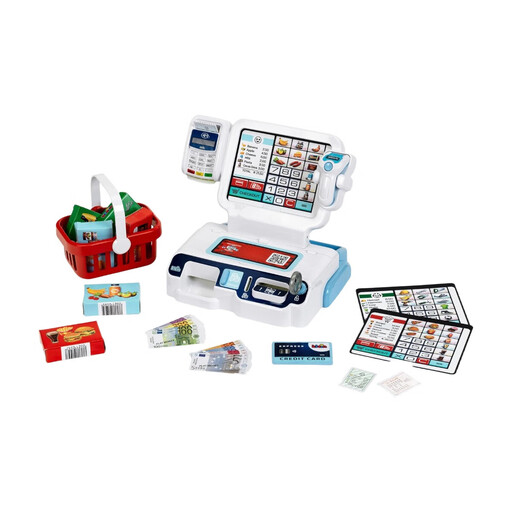
Why This Fits Their Persona: Ideal for children who love to act out everyday situations. This role-playing toy simulates a supermarket checkout, playfully promoting communication skills and an understanding of numbers and processes.
Thanks to three interchangeable themed overlays (supermarket, hardware store, restaurant), the register offers varied scenarios and escapes the novelty trap.
Fosters imagination and social interaction through realistic features like a scanner with light and sound, plus extensive accessories.
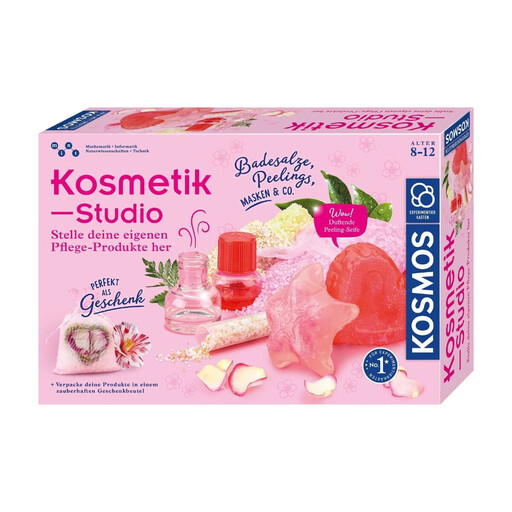
Why This Fits Their Persona: Perfect for curious kids who love to experiment and create something of their own. This kit combines scientific learning with a creative hobby and a tangible result.
As a project-based creative toy, it offers a clear task with a rewarding outcome. The process of making and the finished product ensure sustained engagement.
Teaches basic chemistry principles in a simple way. The self-made products (soaps, bath salts) can actually be used or given as gifts, which enhances the play value.
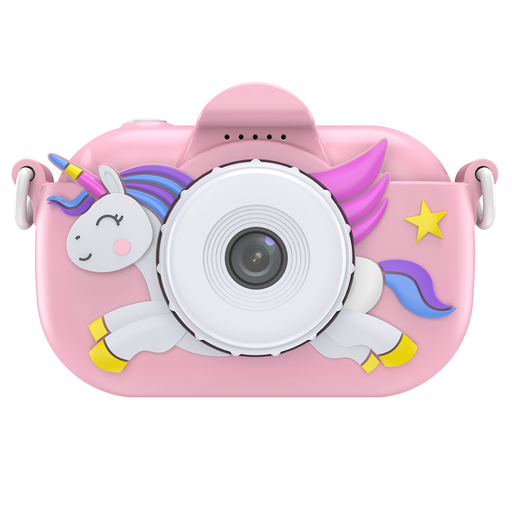
Why This Fits Their Persona: A great entry point into the world of technology and photography. This kids' camera is durable, easy to use, and specifically tailored to the needs and motor skills of children.
The camera is made from food-grade ABS material and is encased in a soft silicone shell. This prevents damage from drops and avoids the trap of fragile, unsuitable tech for kids.
Focus on safety and ease of use. The rounded, corner-free design and simple buttons allow for independent use and encourage creativity in photography.
We have compiled a complete, up-to-date list of products that fully meet these strict selection criteria and German safety regulations.
The CE marking is a self-declaration by the manufacturer that the product meets the basic health and safety requirements of the EU. It is a minimum requirement for sale in the EU, but not an independent quality seal. For added assurance, you can look for the voluntary GS mark ("Geprüfte Sicherheit"), which confirms testing by an independent body.
Focus on open-ended toys that allow for various ways to play. These include building blocks, role-playing sets, or creative and craft materials. Such toys stimulate the imagination and allow the child to create new scenarios and creations again and again, rather than following a rigid play pattern.
Not necessarily. A higher price may indicate higher-quality materials, more complex construction, or certified safety standards, but it is no guarantee of higher play value. A simple but well-made wooden toy can contribute more to development than a complex but failure-prone electronic device. Evaluate a toy based on the core criteria mentioned above—safety, material, and play value—rather than judging by price alone.