
Lieferung heute & morgen

Qualitätsgarantie

Willkommens-Angebote freischalten: KOSTENLOSE Lieferung | Bis zu 80 % RABATT | Kostenlose 30-Tage-JoyPlus-Testphase
App herunterladen
Toys should suit a child’s age, stage of development and everyday routine. But eye-catching packaging, long lists of features and promises of educational benefits don’t automatically make for a good buying decision. If you’re buying toys for children online, it’s worth looking more closely and checking the key product details before you buy.
Lights, music and lots of play modes may look appealing at first. But toys with too much going on can be confusing for younger children. What matters is whether they can use the features independently and whether they’re right for the child’s stage of development. A simple mechanism such as turning, slotting pieces together or building can keep a child interested for longer than sound effects alone.
The age guidance isn’t a recommendation to buy on its own. Parents should also look out for small parts, magnets, battery compartments and any supervision requirements. A toy labelled for ages 3+ isn’t suitable for younger siblings, even if they already use similar products.
Large building toys, a toy pram or a ride-on toy need enough storage space and a suitable area to play. Outdoor toys also need to be considered in terms of weather, cleaning and transport. Before you buy, check the dimensions, weight, cleaning instructions and storage options.
For babies and toddlers, choose products with easy-to-grip parts, rounded edges and simple activities. Motor skills toys for toddlers might offer turning, slotting or sliding actions, for example. When choosing Montessori toys, look at what the toy actually does: the term alone says nothing about the quality of the materials or its educational value.
For pre-school children, simple games with rules, role-play toys, building toys and creative activities are all options. From school age onwards, children may enjoy jigsaw puzzles, magnetic building blocks and challenges with several steps to solve.
Check the main material, make sure surfaces are smooth and parts are securely fitted. For foam toys, cleaning instructions and guidance on checking for damage are useful. Plastic toys shouldn’t have sharp edges, while fabric toys should come with care instructions and material details.
The CE mark indicates that the supplier declares the product meets the relevant EU requirements. However, it isn’t an independent quality mark. You should also be able to check the warnings, manufacturer details and the responsible person in the EU.
If a product contains small parts, its warning label should be part of your buying decision. Take particular care with magnetic building blocks: swallowed magnets can pose serious risks. Products such as magnetic construction sets should therefore only be used in line with the age guidance and supervision instructions.
For battery-powered toys, check the battery type, quantity, what’s included and whether the battery compartment closes securely. The Dinosaur Walkie-Talkie Set, for example, requires six AAA batteries per pair, which the product details say are not included. Remember to factor in these additional costs.
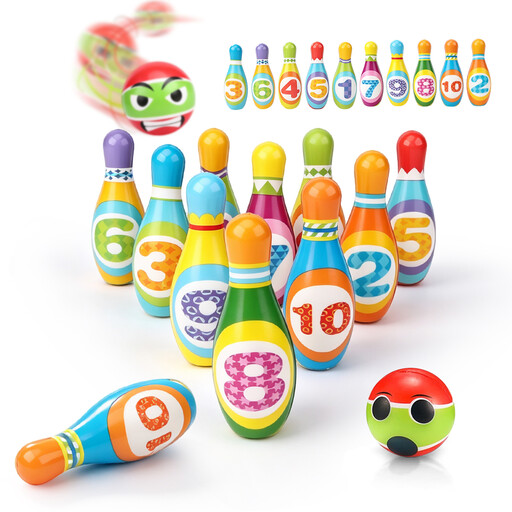
Why this product suits this profile: The set is listed as suitable for children aged 1 to 6 and doesn’t need batteries. It’s ideal for simple indoor and outdoor active play.
There are no ongoing battery costs, and play is straightforward, with no complicated set-up. The foam parts should still be checked regularly for damage.
Ten numbered pins, two foam balls, a weight of 320 g and, according to the product details, no assembly required.
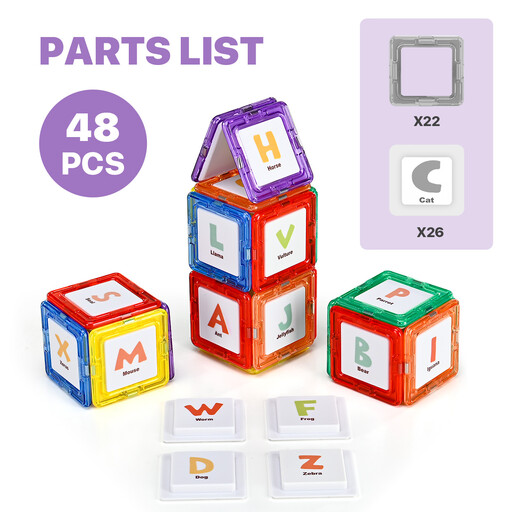
Why this product suits this profile: This set combines building with letter recognition and is listed as suitable for children aged 3 and over.
The number of pieces, ABS material and small-parts warning are clearly stated. This makes it easier to check whether the set is right for the child’s age and the storage space available.
48 pieces, no batteries and smooth ABS surfaces, according to the product description. Check the magnetic pieces regularly for damage.
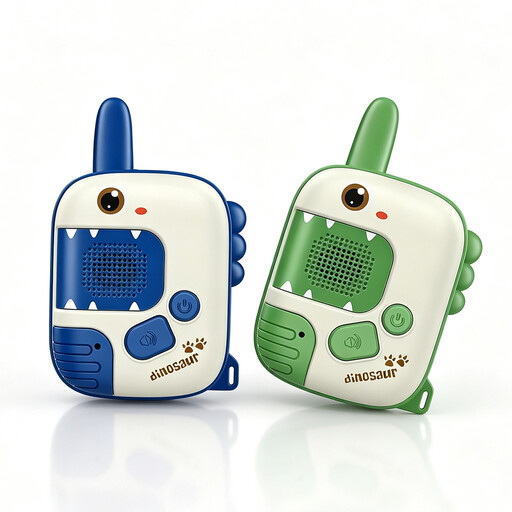
Why this product suits this profile: The two devices are ideal for siblings, imaginative play and days out. According to the product details, they’re operated using a push-to-talk button.
The age guidance of 3+, the small-parts warning and the battery requirements are all clearly stated. That makes it easier to plan for supervision and extra costs in advance.
Two walkie-talkies, a dinosaur design and carry straps included, according to the product description. Six AAA batteries are required and aren’t included.
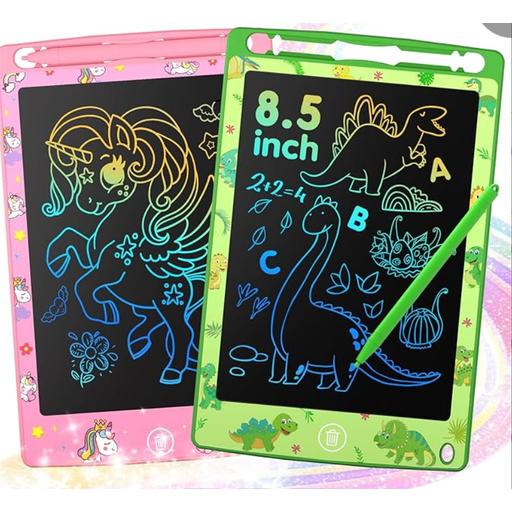
Why this product suits this profile: Two reusable writing tablets are ideal for siblings, trips or creative activities without using paper.
It’s simple to use: draw or write, then clear the screen at the touch of a button. Before buying, check whether the pen function you want is included.
Two 8.5-inch LCD writing tablets, a lightweight package and a reusable surface, according to the product details.
We’ve put together a complete, regularly updated list of products that meet these strict selection criteria and the safety requirements in force across the EU.
Choose simple products with large, easy-to-grip parts and no small parts that can be accessed freely. Motor skills toys, simple shape-sorters, soft bowling sets and sturdy ride-on toys may all be suitable. Always follow the manufacturer’s guidance and take your child’s individual development into account.
Lifespan depends on the materials, how the toy is used and stored, and how well it’s cared for. It’s a good idea to check regularly for cracks, loose parts, damaged stitching or exposed magnets. Keep battery compartments dry, and clean outdoor toys after use.
Yes. Check whether batteries are included, which type the product needs and how many are required. Reusable writing tablets and manual building toys don’t have these ongoing costs. So when choosing a toy, consider not just the purchase price but also any accessories you’ll need.