
Lieferung heute & morgen

Qualitätsgarantie

Willkommens-Angebote freischalten: KOSTENLOSE Lieferung | Bis zu 80 % RABATT | Kostenlose 30-Tage-JoyPlus-Testphase
App herunterladen
Toys should suit a child’s development, everyday life and age. But eye-catching packaging, lots of extra features or an apparently low price don’t automatically make for a good purchase. When choosing gifts for children aged around 3 to 12, it’s worth checking the safety information, materials, dimensions and what the toy is actually designed for.
That’s why the Joybuy Product Recommendation Officer selection is based on clear product information rather than broad marketing claims.
Lights, sounds, batteries and electronic displays can make a toy seem interesting at first. But they also mean more to keep track of: batteries need replacing, speakers or switches can stop working, and the toy becomes more dependent on individual features. A simple wind-up toy or manual role-play toy, on the other hand, can be used without batteries.
A product marked ‘ages 3+’ won’t necessarily suit every three-year-old equally well. Depending on a child’s stage of development, small figures, detachable accessories or moving mechanisms may require adult supervision. Craft kits involving resin and products for water sports also come with additional restrictions.
A large wooden play kitchen can measure 83.5 × 30 × 101 cm and weigh 16.3 kg. So before you buy, check the space available, door width and assembly requirements. Cleaning is another consideration: many products should only be wiped with a damp cloth and must not be immersed in water.
The age recommendation on the packaging and product page is an important starting point. Toys with small parts usually carry a warning about the risk of choking for children under 3. Even products marked as suitable from age 3 may require close supervision, particularly in the case of:
For products sold in Germany and the EU, you should also be able to check the CE marking, warnings, manufacturer details and the responsible person in the EU. A CE marking doesn’t replace checking whether the specific product is right for the child and the way they’ll play with it.
Smooth surfaces, rounded edges and sturdy fittings are practical for everyday use. For plastic products, details such as BPA-free or compliance with stated safety standards may be relevant. For wooden toys, a sturdy design matters more than a general design label. FSC-certified wood tells you where the material comes from, but on its own it says nothing about the toy’s size or suitability for play.
Before you buy, check:
Role-play toys for children, dolls’ houses, toy household sets and active play toys are usually used regularly when they suit the space available. Electronic products also come with the cost of batteries. For example, a kitchen with lights and sound needs two AA batteries, which are often not included. With a battery-free product, there’s no ongoing cost.
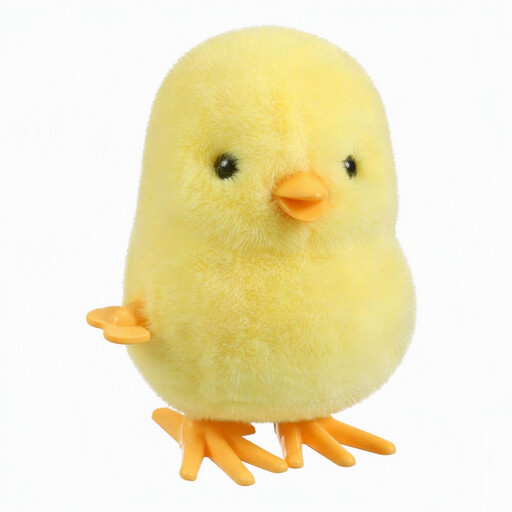
Why this product suits this profile: This compact mechanical toy is designed for children aged 3 and over and doesn’t need batteries. It makes a handy little gift for a child or an addition to the toys they already have.
The manual wind-up mechanism means there’s no need for extra batteries. The product measures around 8 × 6 × 9 cm; check the small parts and plush regularly.
Mechanical, battery-free action; compact design for indoor play and sharing with others.
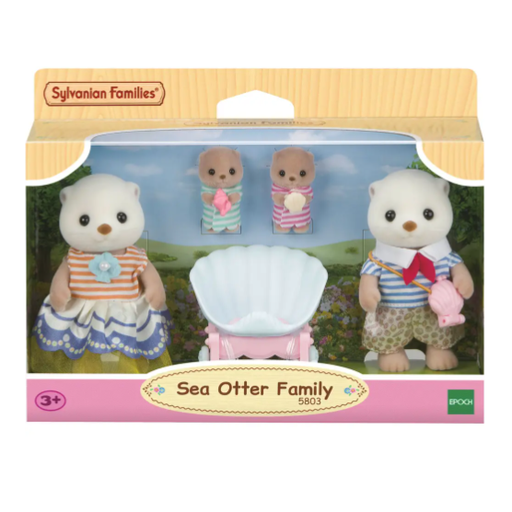
Why this product suits this profile: The set includes two adult otters and two baby figures. It’s a good fit for children who enjoy combining dolls and dolls’ houses with family play and collectable toys.
Compatibility with other sets and accessories is clearly stated. The warnings about small parts and supervision for children aged 3 to 5 still apply.
Four figures in one set; battery-free play and the option to add compatible accessories.
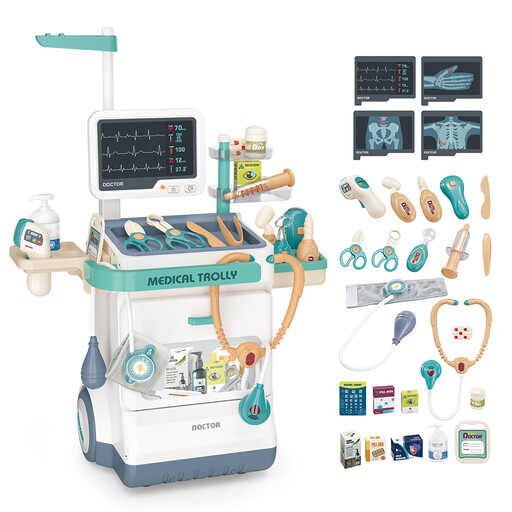
Why this product suits this profile: This doctor’s kit toy, with a trolley, accessories, lights and sound effects, is designed for children aged 3 to 8 who enjoy more involved role-play.
The instruments and features included are listed clearly. Before buying, consider the 35 × 20 × 25 cm footprint and the AAA batteries required.
Wheeled design with storage; several accessories for repeat doctor and examination role-play.

Why this product suits this profile: This height-adjustable wooden play kitchen is designed for children aged 3 and over, with adjustable settings to suit several children.
The adjustable height caters for children of different heights. The kitchen needs assembling and two AA batteries for its lights and sounds; these aren’t included.
Height-adjustable worktop; metal and wooden accessories, plus lights and sound effects on the hob.
We’ve put together a complete, regularly updated list of products that meet these strict selection criteria and fully comply with the safety regulations in force in the EU.
For younger children, simple sets with a few easy-to-check parts are a good choice. Dolls and dolls’ houses, small household sets and simple figures can be added to play scenarios they already enjoy. Older children may be interested in collectable toys, more involved role-play or creative miniature sets. Check the age recommendation especially carefully for resin products, as the material isn’t edible and may need to be cured under supervision.
Active play toys should suit the surroundings. With bow-and-arrow sets, only use the suction-cup arrows provided; check the arrows and suction cups regularly for damage. According to the product information, a mermaid tail with a monofin isn’t a toy or a swimming aid. It’s intended only for experienced swimmers aged 6 to 12, under direct supervision.
Look for products clearly marked as suitable for ages 3 and over, with easy-to-understand warnings and a manageable number of small parts. Dolls, simple role-play sets, toy household sets and mechanical wind-up toys can all be suitable options. You should also take your child’s individual maturity and the supervision they’ll need into account.
Lifespan depends on the materials, construction, use and care. Check large wooden products regularly for loose screws and joints. With plush or plastic toys, cracks, loose parts and damaged surfaces are reasons to stop using them. Without information from the manufacturer, it’s not possible to give a reliable estimate of how long a toy will last.
As well as the purchase price, you’ll need to pay for the right batteries. Before buying, check how many batteries are needed and what size they are. If the toy is used regularly, manual alternatives such as a wind-up toy or a battery-free doll set can help keep ongoing costs down.