
Lieferung heute & morgen

Qualitätsgarantie

Willkommens-Angebote freischalten: KOSTENLOSE Lieferung | Bis zu 80 % RABATT | Kostenlose 30-Tage-JoyPlus-Testphase
App herunterladen
Toys for children should be entertaining, support their development and work well in family life. The choice ranges from baby toys and educational toys to soft toys, musical instruments and bath toys. But eye-catching features and bold marketing claims tell you little about whether a product is actually right for your child’s age, surroundings and habits.
“From 3 years” or “for babies” is only a starting point. You should also consider:
For example, a toy with an age recommendation for toddlers may still only be suitable under supervision. Always check the information on the packaging and product page against your child’s stage of development.
Lights, sounds, a microphone, moving parts and several play modes may seem versatile at first. In practice, however, they can be confusing, use up batteries or create a lot of noise. For a baby, a simple grasping or pressing action is often more suitable than a complex electronic play system.
Bath toys, soft toys and sensory toys regularly come into contact with water, skin or food. If a product is difficult to clean, dirt can build up around seams, openings or battery covers. Before you buy, check the care instructions and whether any electronic components need to be removed.
The manufacturer’s age recommendation must be followed. Products with small parts that could be swallowed are unsuitable for children under 3. Even with toys for children aged 3 and over, check whether accessories, figures or fastenings can come loose easily.
Also look for the CE mark and the available safety information. The mark is a legally required conformity marking, but it is not an independent quality seal. You should also be able to check the warnings, manufacturer details and the responsible EU contact point.
For baby toys, smooth edges, secure joins and clear information about the materials are important things to look for. Claims such as BPA-free or compliant with EN71 should be supported by the product description or packaging, rather than taken from marketing claims alone.
For soft toys and plush toys, check the washing instructions, loose threads and sewn-on accessories. A product that can only be cleaned on the surface may be more suitable for older children than for babies, who often put things in their mouths.
When buying electronic or musical toys, check:
For water-activated toys, it is also important to check the battery cover after every use and dry the product according to the instructions.

Why it suits this family: The lightweight, transparent ball with a floating duck is designed for grasping, shaking and rolling. It can be used on a play mat, in a playpen or in shallow water.
The features are simple and the toy does not need batteries. Check the ball and its contents for cracks before use.
Waterproof and lightweight, and listed as suitable for ages 3 months to 3 years. Use in water only under constant supervision.
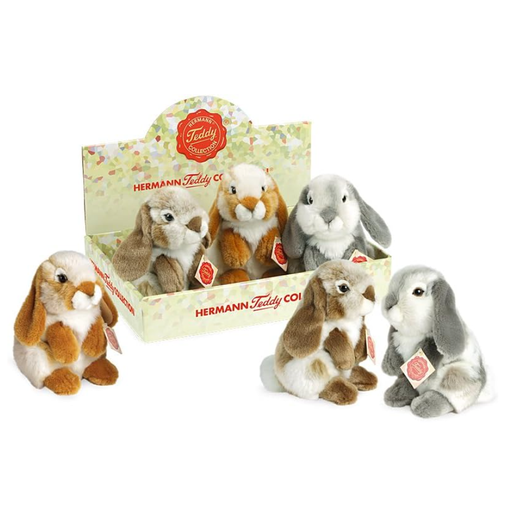
Why it suits this family: This soft toy is designed for children aged 18 months and over, making it a good choice for quiet play and cuddles without electronic components.
There are no batteries, speakers or complex mechanisms. The care instructions recommend a gentle wash at 30 °C.
Plush fabric with recycled polyester filling, washable at 30 °C and listed as suitable for children aged 18 months and over.
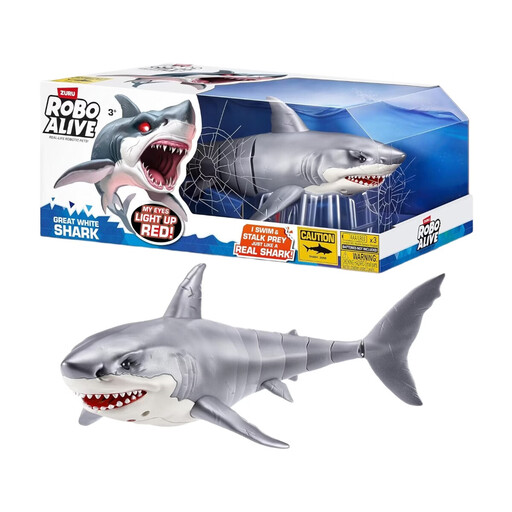
Why it suits this family: This battery-powered robot shark is designed for use in pools and baths, and is ideal for children who enjoy lively, imaginative water play.
The product description specifies the minimum age of 3 years, warns about small parts and states that supervision is required. Make sure the battery cover is sealed securely before the toy comes into contact with water.
Water-activated, with swimming movement and red light effects. Batteries are not included, according to the product information. Rinse and dry the shark after use.
We’ve put together a complete, regularly updated list of products that meet these strict selection criteria and fully comply with the safety regulations in force in the EU.
For babies, choose easy-to-grip, sturdy products that are easy to clean and have a clear age recommendation. A sensory toy with different textures or a simple baby toy without loose parts can provide suitable stimulation. Toys with cords, fillings or electronic units should be checked regularly.
Lifespan depends on the materials, how often the toy is used and how well it is cared for. Check soft toys regularly for loose seams. For electronic toys, removing the batteries before storing them for a long time can help extend their life. Dry bath toys after every use and avoid storing them somewhere damp.
As well as the purchase price, you may need to budget for batteries, replacement parts and cleaning products. Models with volume controls make it easier to adapt use to your home. Before you buy, check whether batteries are included, which type the toy needs and whether it can be switched off completely.