
Lieferung heute & morgen

Qualitätsgarantie

Willkommens-Angebote freischalten: KOSTENLOSE Lieferung | Bis zu 80 % RABATT | Kostenlose 30-Tage-JoyPlus-Testphase
App herunterladen
Children’s toys should suit their age, home environment and play habits. In practice, unclear age guidance, missing information about replacement parts or a large amount of extra equipment can quickly lead to the wrong purchase. This is particularly true of educational toys, construction sets, marble runs and toy vehicles.
It’s also worth checking the product details carefully when buying a birthday present for a child. An eye-catching design alone won’t tell you whether a toy will work well in everyday use.
“From 3 years” isn’t a blanket recommendation for every child of that age. Small parts, balls, magnets and moving mechanisms may require additional supervision. It’s therefore important to check:
For example, a construction set for children may be labelled as suitable from 3 years, while a more complex model with small parts may only be suitable for older children.
Battery-free toys mean fewer batteries to buy and often work straight away when wound up, pulled back or pushed along. However, springs, wheels and fabric surfaces can still wear out. With a wind-up toy, it should also be clear that the mechanism mustn’t be wound too far.
When choosing an electronic set, factor in the cost of batteries, the battery compartment and whether batteries can be changed safely. For example, the TOKKY magnetic toy needs three AA batteries for its light function; according to the product details, these aren’t included.
A high piece count is only useful if the parts can be combined in practical ways and are easy to put away. For a marble run, you should also consider:
Check the age guidance, warnings about swallowing parts and any advice about supervision. Toys sold in the EU should carry the required CE marking. However, this doesn’t replace checking the specific product warnings.
Take extra care with sets containing small balls or magnets. This applies, for example, to Hubelino marble runs and magnetic components. Products containing these small parts shouldn’t be used by children under three.
For plastic toys, look for rounded edges, clear information about the materials and a sturdy body. Check the seams and surfaces of soft toys regularly. Not every product is washable: some fabric toys should only be cleaned with a damp cloth.
Mechanical toys such as a wind-up chicken or a manually operated digger don’t need a power source. Even so, check that moving parts work smoothly and consider whether children will need help while playing.
A flexible race track may take up less space than a permanently assembled one. A marble run, on the other hand, usually needs a flat surface and a tidy way to store all its individual parts. Sets with a storage box or foldable components can be more practical in smaller homes.
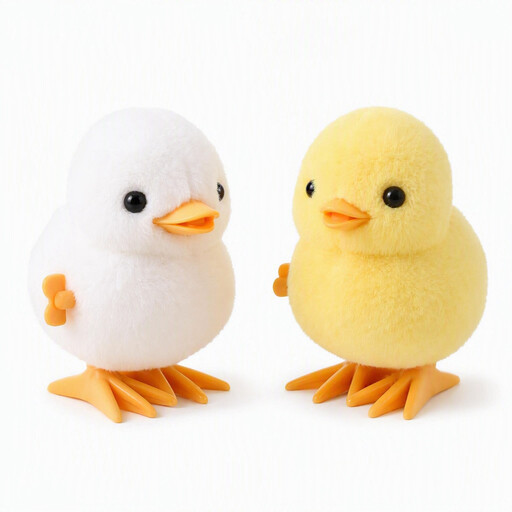
Why it suits this play style: This compact two-piece wind-up set doesn’t need batteries, according to the product details, and is ideal for short play sessions at home or on the go.
There’s no need for a power source. Even so, follow the age recommendation of 3 years and up and the warnings about small parts.
Two figures, a mechanical wind-up action and compact dimensions of around 8 × 6 × 9 cm each.
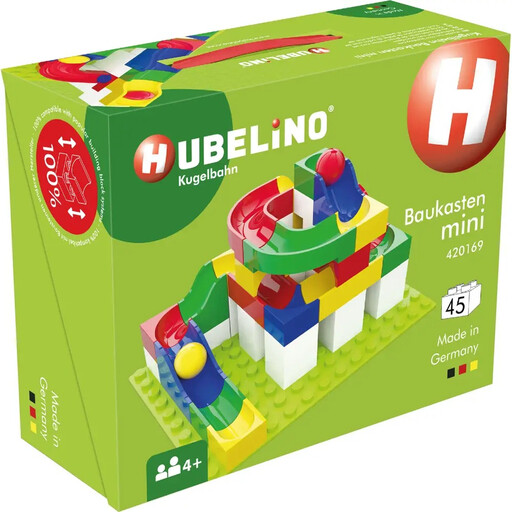
Why it suits this play style: The set includes a base plate, building bricks, track sections, marbles and instructions. The storage box helps keep everything tidy and makes the set easier to take with you.
The product details clearly state the piece count, dimensions, that it’s battery-free and that it contains small marbles.
For children aged 4 and over, with compatible components and track sections that can be expanded using the Hubelino system.
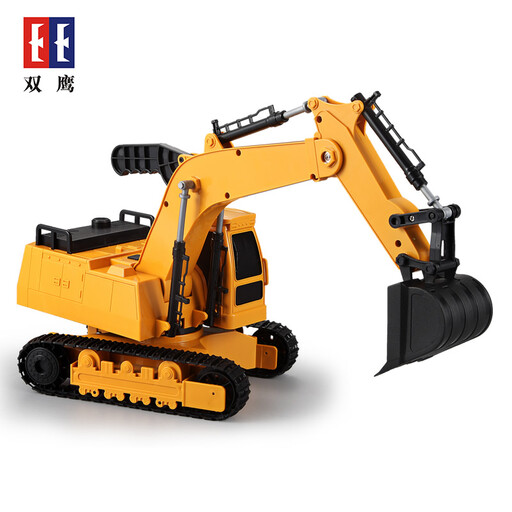
Why it suits this play style: This manually operated toy vehicle is designed for children aged 3 and over who enjoy realistic construction vehicles and imaginative play.
It doesn’t rely on batteries. Before buying, consider how much room there is to move it around and how the excavator arm works.
360-degree rotating cab, movable arm, tipping function and rubber tracks, according to the product description.
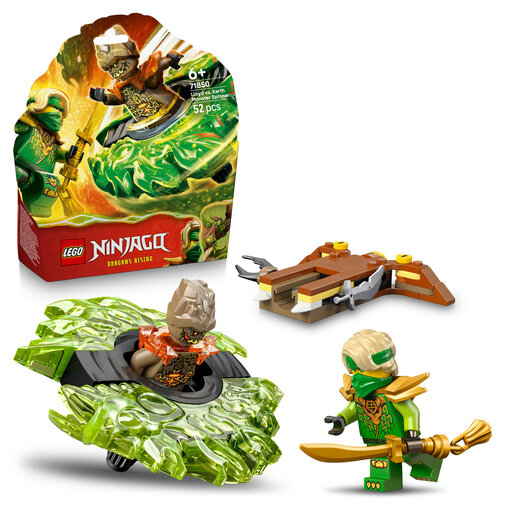
Why it suits this play style: This set combines building and imaginative play for children aged 6 and over, making it a themed birthday present for a child.
The set’s 52 pieces, age guidance and warning about small parts are all clearly stated.
Includes two minifigures, a launcher and a spinner toy; a digital building guide is also available, according to the product description.
We’ve put together a complete, regularly updated list of products that meet these strict selection criteria and fully comply with the safety regulations in force in the EU.
Dog toys and cat toys shouldn’t be chosen alongside toys for children. The ZEZE Lantern Rope Knot Toy is intended for use under supervision. According to the product details, it’s made from plush fabric, rope and crinkle paper; replace it if any parts come loose or become damaged.
For cats, the ZEZE “Really?” Rope Ball Toy can be used for interactive throwing, tugging and chasing. Here too, check regularly for frayed rope or loose parts, and stop using the toy if it’s damaged. Keep pet toys out of reach of young children.
Look for products with clear age guidance, straightforward operation and few parts—or parts that are large enough. Always follow the relevant warnings for balls, magnets and small building bricks. A toy marked as suitable from age 3 should also be right for the child’s fine motor skills and attention span.
Lifespan depends on the mechanism, materials, how often the toy is played with and how well it’s cared for. Wind-up and pull-back mechanisms shouldn’t be wound too far or forced. Wheels and moving joints are common wear points on vehicles. Regular visual checks can help you spot damage early.
Look for a stable base, compatible components, clear assembly instructions and a safe way to store the marbles. Children under 6 may benefit from help with assembly. Before each use, check the track sections, marbles and connectors for cracks or missing parts.