
Lieferung heute & morgen

Qualitätsgarantie

Willkommens-Angebote freischalten: KOSTENLOSE Lieferung | Bis zu 80 % RABATT | Kostenlose 30-Tage-JoyPlus-Testphase
App herunterladen
Whether it’s for a birthday, Christmas or just a little treat, toys for children should suit their age, interests and family life. There’s plenty to choose from, from educational and creative toys to outdoor toys for children. But eye-catching product claims don’t always lead to the right choice.
“Suitable for ages 3+” doesn’t, on its own, tell you whether a product is right for a particular child. A three-year-old will need different instructions and safety precautions from an eight-year-old. So check the following too:
Always assess a toy for children aged 3 and over in light of its specific warnings and how it will be used.
Lights, music, spray mist or lots of accessories can look appealing, but they don’t automatically make a toy more fun to play with. A remote-controlled car with lots of features, for example, needs time to charge, a suitable surface to drive on and a remote control that’s easy to understand. For a science kit for children, on the other hand, the age recommendation, included materials and instructions matter most.
A children’s basketball hoop can take up too much room in a small courtyard. For an LCD writing tablet for children, consider the display size, weight and erase function. Ongoing costs matter too: batteries, replacement parts, cleaning products or consumables can add to the initial price.
The manufacturer’s age recommendation is a useful starting point, but it doesn’t replace supervision. For products with small parts, chemicals, rechargeable batteries or moving components, adults should explain how to use them and follow the instructions on the packaging. A product designed for children aged 8 and over isn’t automatically suitable for younger siblings, even if they’ve already used similar toys.
Look for rounded edges, sturdy joints and clear labelling. For toys sold in Germany, relevant information includes the CE marking, safety warnings and details of the manufacturer or the responsible person in the EU. Claims about materials should be based on the product description or information from the manufacturer.
The CHEERFUN LCD writing tablet is described as being made from ABS plastic, which is said to be free from BPA, lead and formaldehyde. The product information also refers to compliance with EU REACH requirements and toy safety standards. Always check these claims against the information on the product page and packaging before buying.
For creative toys to take on the go, a light weight and slim design are useful. Sports equipment, on the other hand, needs a large enough area to stand on. According to the product description, the base of the Yaheetech basketball stand can be filled with up to around 31 kg of water or sand. This is intended to keep it stable, but also makes it heavier to move.
For outdoor toys for children, check whether the materials are weather-resistant and whether the toy needs to be stored somewhere dry after use.
The products below cover a range of gift ideas for children aged 3 to 10. Our selection is based on the stated age ranges, dimensions, features and usage guidance.

Why it suits this profile: According to the product description, the writing tablet is designed for children aged 3 to 8. It’s suitable for drawing, early writing practice and keeping children occupied while travelling.
According to the product information, it doesn’t need pens or paper and can be cleared at the touch of a button. At around 178 g, with rounded edges, it’s designed to be portable.
An 8.5-inch writing surface, lightweight design and reusable use without paper.
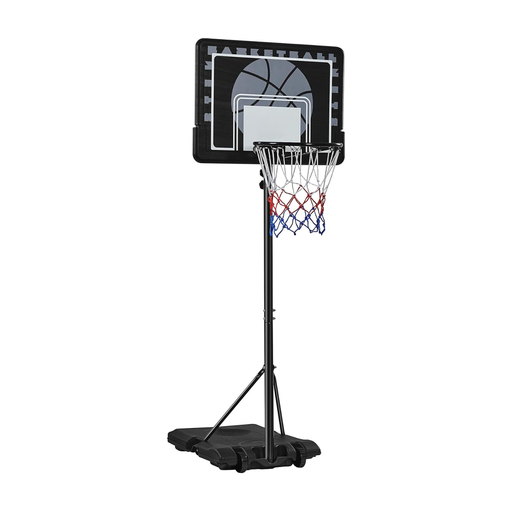
Why it suits this profile: The height-adjustable basketball stand is listed as suitable for children aged 4 to 10. It can be used in the garden, on a driveway or in a suitable indoor space.
According to the product information, the height can be adjusted to several positions. The base must be filled with water or sand before use, and its stability should be checked regularly.
Height range of around 182 to 215 cm, two wheels and weather-resistant materials, according to the product description.
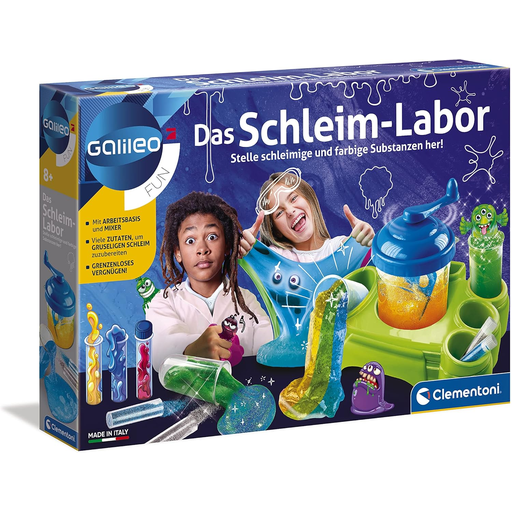
Why it suits this profile: This science kit is designed for children aged 8 and over. It’s aimed at children who want to combine creative play with their first science experiments.
The 8+ age recommendation and warning about small parts make the need for supervision clear. The kit is described as including a laboratory station, tools and instructions.
A practical work station, a range of materials and no batteries required, according to the product information.
We’ve put together a comprehensive, regularly updated list of products that meet these strict selection criteria and fully comply with the safety regulations applicable in the EU.
Choose toys with a clear age recommendation, easy-to-grip parts and straightforward instructions. Take extra care with small parts, long cords, button batteries and chemical materials. It’s not just the child’s age that matters, but also their maturity and how the toy will be used.
Lifespan depends on the materials, how heavily the toy is used, how it’s stored and how well it’s cared for. Check the base of outdoor products regularly and protect the toy from damp. Charge electronic toys according to the manufacturer’s instructions, and don’t let younger children use them unsupervised.
It depends on the product. LCD writing tablets can be used without paper or pens, while remote-controlled vehicles need time to charge and may require replacement batteries. Consumables for science kits may need to be replaced once they run out. Before buying, check what’s included, how the product is powered and whether there could be any ongoing costs.