
Lieferung heute & morgen

Qualitätsgarantie

Willkommens-Angebote freischalten: KOSTENLOSE Lieferung | Bis zu 80 % RABATT | Kostenlose 30-Tage-JoyPlus-Testphase
App herunterladen
Toys for children should suit their age, interests and family routine. The choice ranges from educational toys and role-play toys to construction toys, remote-controlled vehicles and board games for children. The sheer variety can make it difficult to compare them.
Many disappointing purchases are not down to the price, but to unclear product information. A toy may look substantial in product photos, yet offer only a few ways to play in everyday use. Other sets need batteries, extra add-ons or plenty of storage space. Before you buy, it’s worth looking out for three common pitfalls.
The recommended age is more than just marketing information. It takes into account factors such as the size of the parts, the level of difficulty and the fine motor skills required. Toys for children aged 3 and over, for example, may contain small parts that could pose a choking hazard to younger children.
There are also differences within each age group. A role-play set with lots of accessories may suit a child who enjoys making up stories, while a complex construction toy may require more patience and adult support.
A high piece count doesn’t automatically mean more ways to play. What matters is whether the parts can be combined, whether figures are included and whether the toy can be played with on its own or needs other sets. With magnetic building blocks, a marble run or construction sets, you should also check whether storage and instructions are included.
Electronic toys such as a remote-controlled car, a vehicle with lights or an electronic memory game need batteries or a rechargeable battery. Before you buy, check:
Board games usually don’t have ongoing energy costs. However, cards, dice and playing pieces should all be put away after use.
The manufacturer’s recommended age should match the child’s development and how the toy is intended to be used. Warnings about small parts are especially important for sets containing marbles, small figures or building blocks. Children under three must not use toys containing such small parts if the manufacturer has issued a warning.
Take extra care with magnetic products. If magnets are swallowed, they can attract each other inside the body and cause serious injuries. Check components regularly for cracks, loose covers and exposed magnets.
Look for clear information about the materials, the manufacturer and the responsible person in the EU. The CE marking is a mandatory conformity mark in Europe for many product groups. However, it does not replace checks by an adult.
Rounded edges, securely fitted parts and a battery compartment that closes properly are practical features to look for. With plastic toys, unusual smells, warping or damaged surfaces are reasons to stop using the product.
Simple, easy-to-understand ways to play are a good choice for younger children. Battery-free vehicles, large interlocking pieces and figures for role play are quick to get started with. Older children may enjoy toys with tasks, rules and different difficulty levels.
Board games for ages 6 and over should have clear instructions and a realistic playing time. For families with children of different ages, games for two to eight players or with adjustable rules can be useful. A gift for a child should also suit their existing interests, rather than being chosen solely for the picture on the box.
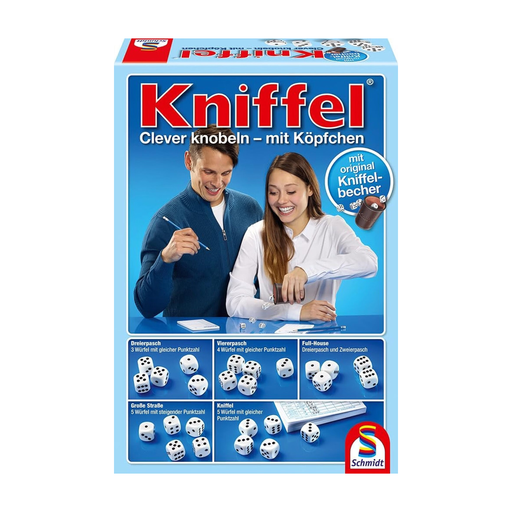
Why this product suits this profile: This dice game is designed for 2 to 8 players aged 8 and over, and doesn’t need batteries. It’s a good choice for regular family game nights, with only a modest amount of equipment to keep track of.
The contents are clearly listed: a dice cup and game materials. There are no extra battery costs.
For 2 to 8 players, ages 8 and over; played manually, with no batteries required.
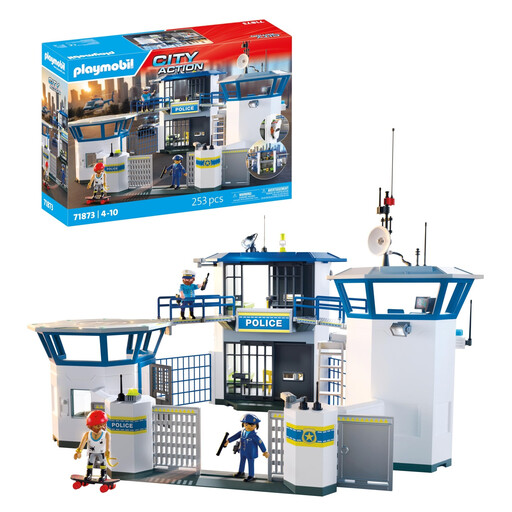
Why this product suits this profile: This role-play set is designed for children aged 4 and over and contains 253 pieces, including figures and accessories for different police scenarios.
The contents are clearly specified, including figures, accessories, a control room and other play elements. This makes it easier to judge what’s included before you buy.
253 pieces, no batteries required and a range of accessories for creative role play.
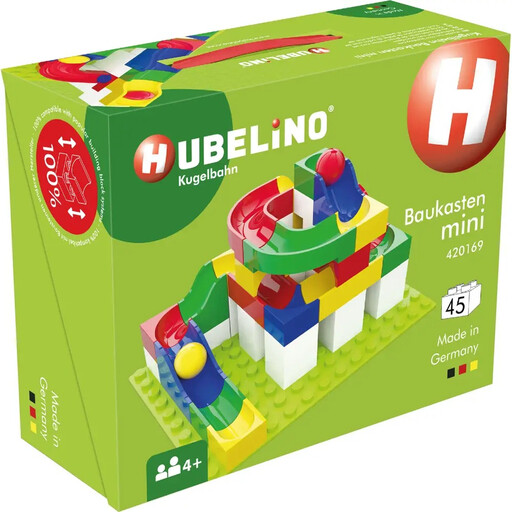
Why this product suits this profile: This set is suitable for ages 4 and over and includes a base plate, building blocks, track pieces, marbles and instructions. Other Hubelino products can be added to expand the system.
The storage bag and instructions help prevent pieces from being left scattered around the house.
45 pieces, no batteries, portable storage and the option to expand the set.
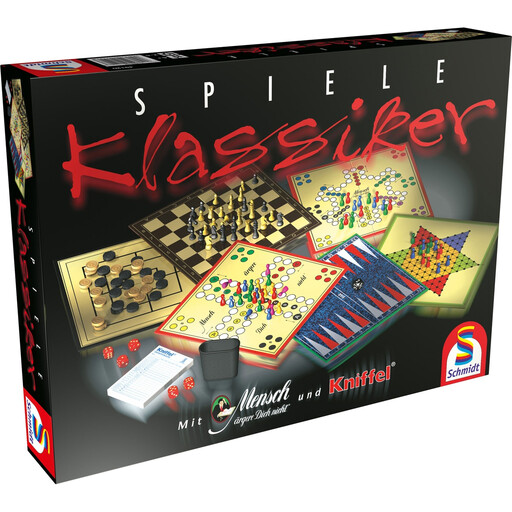
Why this product suits this profile: This collection is suitable for ages 6 and over and offers more than 50 ways to play, including classic board and dice games.
The wide choice of games means you’re not reliant on just one type of gameplay, and no batteries are needed.
Over 50 game variations, suitable for ages 6 and over, and ideal for playing together.
We’ve put together a complete, regularly updated list of products that meet these strict selection criteria and fully comply with the safety regulations in force in the EU.
Choose products with a clear age recommendation of 3 and over, sturdy parts and simple gameplay. Before buying, check the warnings, small parts and whether adult supervision is needed. Pay particular attention to warnings about swallowable magnets when choosing magnetic building blocks.
Lifespan depends on the materials, how the toy is used and how it is stored. Regularly checking wheels, connectors, battery compartments and small accessories can help you spot damaged products and remove them from use in good time. Construction and role-play systems can last longer if you can add extra parts.
Manual educational toys, board games and many construction sets usually have no energy costs after purchase. Electronic games, PLAYMOBIL fire engines with lights and sounds, and remote-controlled cars, on the other hand, need batteries or a rechargeable battery. Remember to include these ongoing costs when comparing prices.