
Lieferung heute & morgen

Qualitätsgarantie

Willkommens-Angebote freischalten: KOSTENLOSE Lieferung | Bis zu 80 % RABATT | Kostenlose 30-Tage-JoyPlus-Testphase
App herunterladen
Toys for children should be fun, suitable for their age and genuinely used in everyday life. However, choosing the right toy involves more than colourful designs or a long list of features. Parents, grandparents and relatives should also consider small parts, material information, power requirements, what the toy includes and how long it is likely to be used. Adult collectors, on the other hand, have different priorities: the finish, element of chance and display options are more important.
Lights, sounds and additional play modes may seem appealing at first glance. With an educational toy or electronic play station, however, the key question is whether the features suit the child's age and will be used regularly. A complicated device may be confusing for a toddler, while an older child can quickly lose interest if there are no further challenges.
“ For children” does not automatically mean “for every age”. A toy for children aged 3+ may contain small parts that pose a choking risk to younger children. The age recommendation on the product page and packaging should also be checked for soft toys, collectible figures and puzzle games.
Plush toys may only be suitable for surface cleaning. Batteries for electronic toys may need to be purchased separately and replaced by an adult where necessary. Wooden models or construction kits may require assembly and supervision. If these points are overlooked before buying, you may end up with a visually appealing gift for a child, but not necessarily a practical product for everyday use.
The age rating is a key selection criterion. Warnings such as “Not suitable for children under 36 months” usually indicate small parts, balls or components that could be swallowed. This is particularly relevant for role-play toys with accessories, collectible figures and blind boxes.
You should also look out for advice about direct adult supervision. This may be required during assembly, when changing batteries, with toys containing small balls or with products that have functional edges. A CE mark is a legally required conformity marking, but it is not an independent quality seal. The manufacturer's specific information and warnings therefore remain important.
Clear information about the main material, dimensions and care requirements is useful. With soft toys, check whether they are machine washable or can only be cleaned with a damp cloth or by dry cleaning. For plastic toys, smooth surfaces and rounded edges are important. With wooden toys or DIY sets, pay attention to possible splinters, small parts and assembly requirements.
An educational toy does not necessarily have to be electronic. A board game for children can encourage communication and an understanding of rules, while a construction or balancing game can develop fine motor skills and coordination. The important thing is whether the play objective suits the situation: compact solo puzzles are ideal for travelling, while interactive games are better suited to afternoons spent playing together.
With electronic products, you should check the power supply. Are batteries included? What size is required? For a musical instrument for babies, you should also consider the volume, ease of use and age rating.
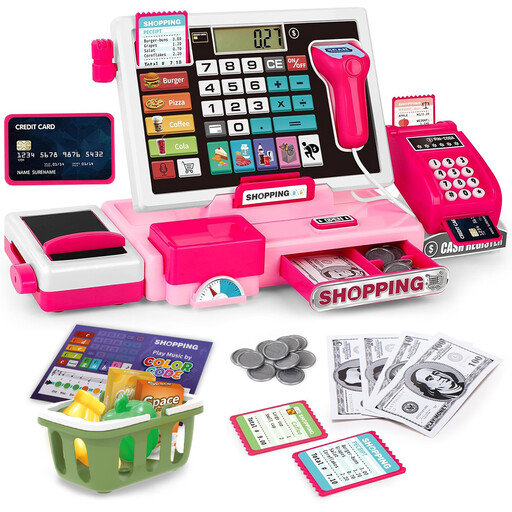
Why this product suits the profile: This role-play toy combines shopping scenarios with a calculator, play money, scanner, pretend groceries and a shopping basket. According to the product information, it is suitable for children aged 3 and over and can be given as a birthday present.
The features are clearly described. Buyers can see in advance that batteries are not included and that the set contains small parts. This makes it easier to plan for additional costs and supervision.
37,49 × 8,99 × 19 cm, 720 g, calculator and piano-key modes, plus accessories for themed role play.
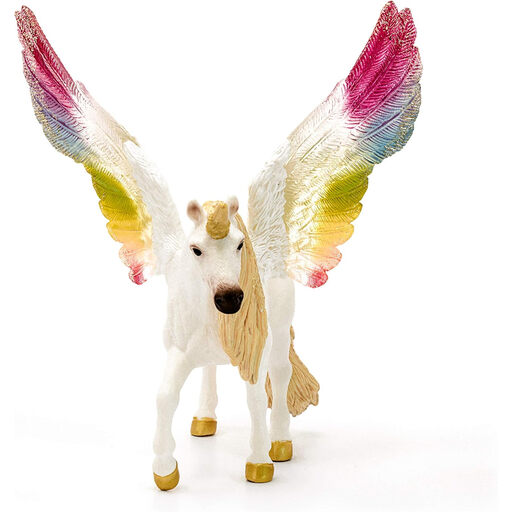
Why this product suits the profile: The unicorn figure is hand-painted, made from ABS plastic according to the product information and intended for children aged 5 and over. It can be incorporated into existing BAYALA fantasy scenes and also works well as a decorative collector's item.
The age recommendation and warning about small parts are clearly stated. Buyers can choose the figure specifically for imaginative play from the age of 5.
No batteries required, a hand-painted surface and compatibility with an existing figure collection.
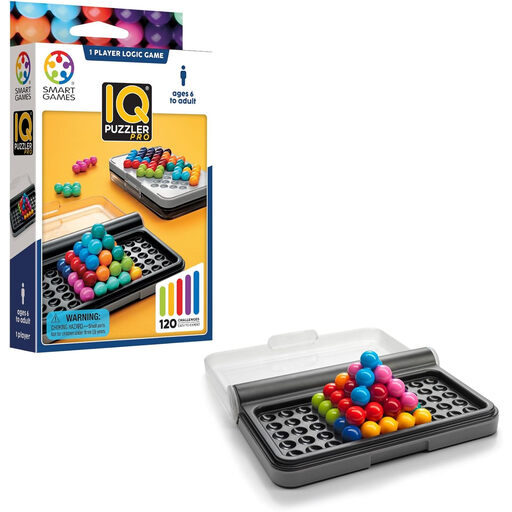
Why this product suits the profile: According to the product information, this compact puzzle game is suitable for children aged 6 and over. It is designed for one player and can be used at home or while travelling.
The contents are clear before purchase: 120 challenges, three game modes and 13 pieces. This reduces the risk of choosing a game with too little variety.
120 challenges, 2D and 3D tasks, solo play and battery-free operation.
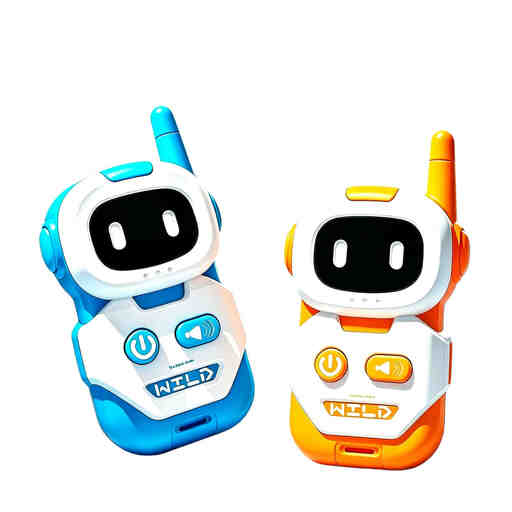
Why this product suits the profile: This musical instrument for babies combines drum surfaces, lights, animal sounds and shape and colour sorting. According to the product information, it is suitable for children aged 6 to 36 months.
The product information specifies ABS and BPA-free materials, rounded edges and battery power. As batteries are not included, they should be factored in before purchase.
Four play areas, a stable base, light and sound effects, and controls designed for early exploration.
We have put together a complete, regularly updated list of products that fully meet these strict selection criteria and the safety regulations applicable in the EU.
For children who enjoy making up stories, a soft toy, plush toy or unicorn figure may be a good choice. Collectors may be interested in a collectible figure or blind box. With blind boxes, remember that the specific figure is not known before opening. Some series contain small parts and are therefore not suitable for children under 3 years of age.
For older children and teenagers, a model motorbike, a DIY wooden model or a more challenging board game may also be suitable. The CCA-1:18 Yamaha YZF-R1 model, for example, has an age recommendation of 14 and over. This makes it more of a display piece for teenagers and adult collectors than a toy for toddlers.
Suitable products are those with an age recommendation that explicitly starts at 3 years and whose warnings match the intended usage situation. With role-play toys such as a till, adults should check any small accessories and supervise the first use. For younger children, products with easy-to-grip, sufficiently large components are preferable.
The lifespan depends on the material, how intensively the toy is used, care and storage. Plastic and wooden toys should be checked regularly for cracks, deformation or sharp edges. Soft toys that are suitable only for surface cleaning should be stored in a dry place and should not be washed contrary to the care instructions. Electronic toys require suitable batteries and should no longer be used if the casing is damaged.
In addition to the purchase price, you may need to pay for batteries and replacement parts. Before buying, check whether batteries are included, which type is required and whether an adult should replace them. Battery-free puzzle games and traditional board games, on the other hand, have no ongoing energy costs during use.