
Lieferung heute & morgen

Qualitätsgarantie

Willkommens-Angebote freischalten: KOSTENLOSE Lieferung | Bis zu 80 % RABATT | Kostenlose 30-Tage-JoyPlus-Testphase
App herunterladen
Toys for children should suit their age, abilities and family routine. In practice, however, eye-catching packaging, long lists of accessories and popular characters don’t automatically lead to the right choice. Before buying, parents, grandparents and other family members should check a few key details – especially for dolls, soft toys, interactive baby toys and role-play toys.
A doll with tiny shoes, brushes or jewellery may be suitable for older children, but could pose a choking risk for toddlers. The manufacturer’s age recommendation and safety warnings are what matter – not just the advertised play features.
Examples from our range:
If the information is inconsistent, follow the labelling on the product packaging or in the latest instructions for use.
Lights, sounds and movement can add to playtime, but they also bring extra requirements. For example, the electronic components must be removed from the Fisher-Price Soothe and Settle Bunny before washing. The product needs batteries, so when comparing battery-operated toys, be sure to check the battery type, battery compartment and cleaning instructions.
According to the product information, a BABY born Mermaid with a light effect also needs 3 LR03-AAA batteries, which are not included. If you miss this detail, you may underestimate the ongoing cost and the effort involved in changing the batteries.
Soft toys and plush toys are often used in bed, in the pushchair or when travelling. But “soft” is no substitute for checking care instructions, seams, appliqués and age suitability. Button eyes, noses or small rucksacks can come loose if pulled hard. Adults should check the seams of plush toys regularly and follow the care instructions.
For children aged 1 and over, choose toys that are easy to hold and simple to use, with no loose small parts. A 20 cm fabric doll such as Simba Laura Little Star is relatively easy for little hands to hold. For larger dolls, check whether your child can carry, dress or put them down safely on their own.
For soft toys, it’s also worth considering where they’ll be used:
Product information should clearly distinguish between the outer material, filling and plastic parts. According to the product description, the Teddy Hermann Sitting Rabbit is made from plush with recycled polyester filling and can be machine-washed at 30 °C on a delicate or wool cycle. It is not suitable for tumble drying.
Other models can only be surface-cleaned with a damp cloth. This applies to some dolls and figures, for example. Before you buy, ask yourself: Can the product be kept hygienically clean if it’s used often?
The CE mark indicates that a toy meets the relevant EU requirements. However, it does not replace checking the individual safety warnings. Other things to look out for include:
Never submerge the battery compartment of a water or bath toy unless the manufacturer explicitly says it is safe to do so. Your child’s surroundings and how they use the toy matter just as much as the product itself.
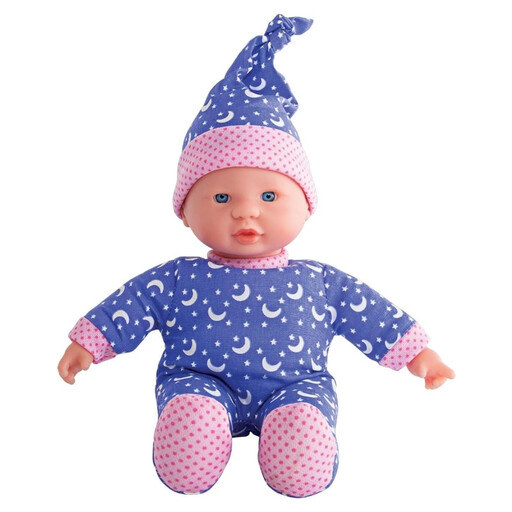
Why it suits this shopper: This 20 cm soft-bodied doll is suitable from 12 months, needs no batteries and is easy to carry.
No ongoing battery costs and a clearly stated minimum age make it easier to choose.
Soft body, 20 cm size, light-up details on the pyjamas and no batteries required.
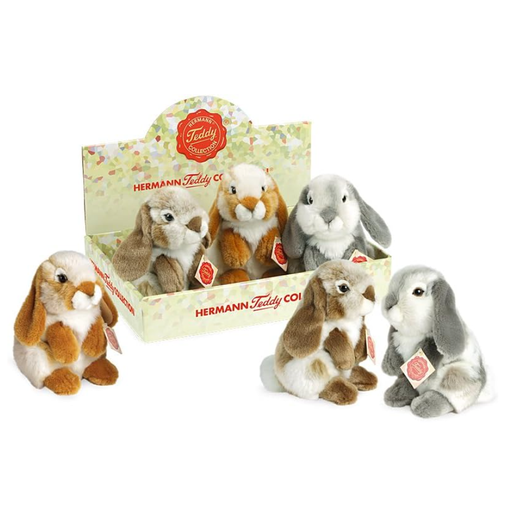
Why it suits this shopper: This soft toy is suitable from 18 months and combines a natural look with a washable design.
The clear care instructions show how to clean the soft toy when it’s used regularly.
Recycled polyester filling, machine-washable at 30 °C on a delicate cycle and suitable from 18 months.
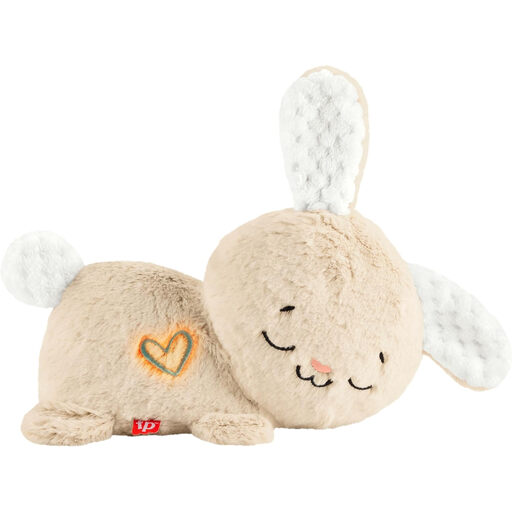
Why it suits this shopper: This soft toy combines five sound modes, a moving head and a night light for use at home.
Details of the five adjustable modes and 30 minutes of playback help set clear expectations about its features.
Removable electronic module, after which the soft toy is machine-washable, plus three AA batteries included.
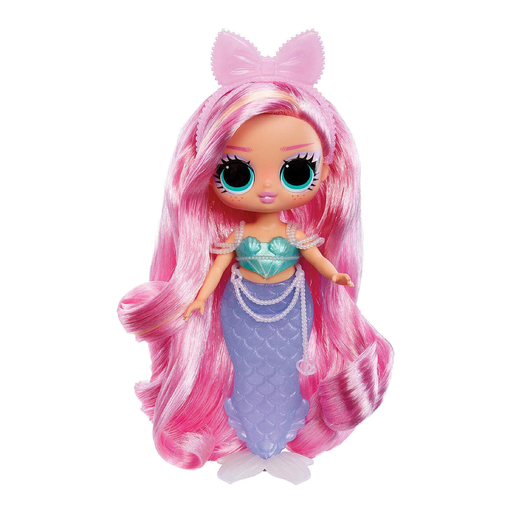
Why it suits this shopper: This mermaid doll is intended for children aged 4 and over, with a movable tail fin, a colour change in cold water and accessories.
The age recommendation and warning about small parts make it clear that this model isn’t intended for younger children.
Tail fin changes colour in cold water, movable fin and several styling accessories.
We’ve put together a complete, regularly updated list of products that meet these strict selection criteria and the safety regulations in force in the EU.
For children aged 1 and over, choose large, sturdy toys that are easy to hold and have no loose small parts. Soft-bodied dolls, simple stacking or shape-fitting toys, and suitable interactive baby toys can all be good options. Always check the manufacturer’s specific age recommendation.
Their lifespan depends on the quality of the seams, the materials, whether they can be washed and how often they’re used. Check frequently used soft toys regularly for loose seams, damaged eyes or decorations that could come off. If you spot any damage, stop using the product.
A useful price comparison takes into account more than just the purchase price: remember accessories, batteries, care and add-ons too. Collectible figures and branded ranges may come with additional sets to buy. When choosing a gift for a child, consider whether the product can be played with on its own and whether it fits in with the toys they already have.