
Lieferung heute & morgen

Qualitätsgarantie

Willkommens-Angebote freischalten: KOSTENLOSE Lieferung | Bis zu 80 % RABATT | Kostenlose 30-Tage-JoyPlus-Testphase
App herunterladen
Toys should suit a child’s age, available space and interests. When choosing toys for children, it’s not just bright colours or extra sound effects that matter. Clear information about age suitability, materials, dimensions, what’s included and safe use is essential.
Lights, sounds and moving parts can make it easier to get started. But they’re no substitute for a well-thought-out play concept. A toy with lots of effects can quickly lose its appeal if it only allows for one type of play. With educational toys, toy cars and creative role-play toys, it’s important to consider whether children can invent their own scenarios and combine the toy with others.
“From 3 years” isn’t a blanket recommendation for every child of that age. Small parts, projectiles, cords or moving mechanisms may require extra supervision, depending on a child’s development. For toys for children aged 3 and over, parents should carefully check the warnings, the size of individual parts and how the toy is intended to be used.
A toy can be suitable for outdoor use without being suitable for long-term storage in the rain or frost. With outdoor toys, bow and arrow toys or winter sports toys, the surface, safety distance, weather conditions and care requirements are all part of the buying decision. Even a seemingly straightforward bowling or throwing game needs a clear, level space.
Check the age recommendation against your child’s actual stage of development. For products with small parts, the choking hazard warning is particularly important for younger children. According to the product information, SIKU models such as the Massey Ferguson with snow plough and the John Deere tractor with baler are intended for children aged 3 and over and contain small components. They’re therefore best played with under adult supervision.
With bath toys and baby toys, the surroundings matter too: the water should be shallow, and a child must never be left unattended in the bath. This applies even if the product is described as waterproof or lightweight.
Look for specific material details such as ABS plastic, PP plastic, PVC, metal or rubber. These terms alone don’t tell you whether a toy is suitable, but they can help you compare products. Smooth edges, a securely closed battery compartment and sturdy connections are all useful features for everyday use.
EN 71 sets out requirements for the mechanical and physical properties of toys. A CE mark indicates that the manufacturer declares the product meets the relevant EU requirements. However, it isn’t an independent quality mark. You should also read the warnings, manufacturer’s information and instructions for use.
Before buying, check the dimensions and what’s included. A race track or large play set may be compact when folded, but needs plenty of space when opened out. The folding tracks on the transport truck with twelve die-cast cars make it easier to put away, but you should still check the available play area beforehand.
Electronic toys need batteries and occasional function checks. Manual toys such as a bowling set don’t need batteries. With bow and arrow toys, only use the arrows provided, and replace any damaged suction cups or shafts.
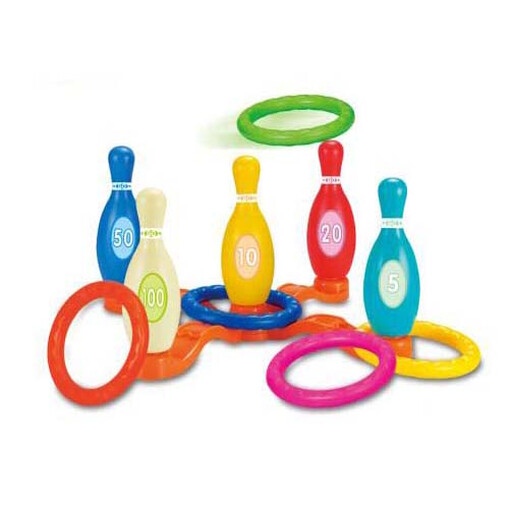
Why this product suits this profile: This set combines bowling and ring toss, and can be used indoors or outdoors on a level surface. It’s intended for children aged 3 and over and doesn’t need batteries.
It’s clear what’s included: the set contains ten pins and five rings; according to the product information, a bowling ball isn’t included.
A manual, battery-free game made from PP plastic, with two ways to play in one set.
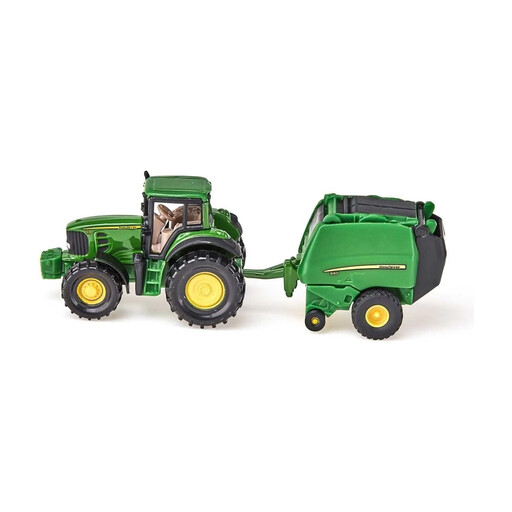
Why this product suits this profile: This model combines a metal body with plastic and rubber parts, plus a removable baler that opens. It’s aimed at children aged 3 and over, as well as SIKU collectors.
The product description clearly lists the materials, dimensions, features and small parts warning. This makes it easier to assess the model before buying.
Metal body, rolling wheels, removable cab and a compatible baler for farm-themed play scenarios.
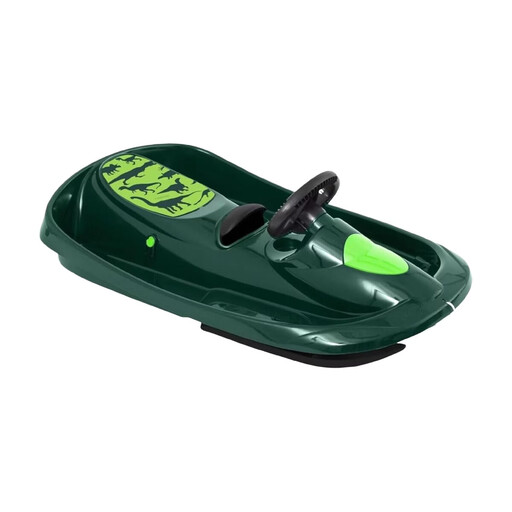
Why this product suits this profile: This steering sledge is designed for snowy days and features a steering wheel, brake and pull cord. Its stated maximum load is 80 kg; use is recommended from age 3, with adult supervision.
It isn’t suitable for every slope. You’ll need to take account of safety distances, suitable sledging areas, obstacles and the weight limit.
HDPE construction, wide runners, steering system, brake and pull cord for its intended use on snow.
For children who love vehicles, an aeroplane with fire engines, play mat, lights and sound effects, or a transport truck with twelve cars offers several ways to play. When choosing, parents should pay particular attention to the stated age range and the number of small parts.
A bath toy such as the Fisher-Price WaterMates Duck Ball is intended for babies aged 3 months and over, according to the product information. Check the product for damage and use it only in shallow water with constant supervision.
For active, creative play, consider a hula hoop for children aged 6 and over or bow and arrow toys. With arrow sets, soft suction cups, a clear play area and the rule against aiming at faces or eyes are particularly important. For younger children, character sets such as the Rubble & Crew Family Gift Set can also make a suitable gift for children.
We’ve put together a complete, regularly updated list of products that fully meet these strict selection criteria and the safety regulations in force in the EU.
Toys are suitable when their age recommendation, part size and intended use are right for the child. Farm toys, toy cars, simple throwing games and character sets can all be good options. Adult supervision is advisable when toys contain small parts.
Lifespan depends on the materials, how heavily a toy is used, how it’s stored and how well it’s cared for. Check metal models with plastic parts regularly for loose connections. Clean outdoor products after use and store them somewhere dry. Electronic toys also need working batteries and an undamaged battery compartment.
Toys with lights and sounds need batteries; the type and number are listed in the product description or instructions. Manual sets such as bowling and ring toss, and many SIKU models, don’t need batteries. It’s therefore worth comparing what’s included and the expected care requirements before you buy.