
Lieferung heute & morgen

Qualitätsgarantie

Willkommens-Angebote freischalten: KOSTENLOSE Lieferung | Bis zu 80 % RABATT | Kostenlose 30-Tage-JoyPlus-Testphase
App herunterladen
Toys should suit the child’s age, interests and the family’s everyday situation. Yet eye-catching packaging, large numbers of pieces or seemingly versatile features don’t automatically make for a good purchase. When you’re choosing toys for children online, it’s worth paying less attention to marketing claims and more to verifiable product details.
Three common buying problems crop up time and again:
The age guide is a starting point, not a substitute for your own judgement. For toys from 4 years, LEGO Classic sets or larger construction projects can be a great fit if your child enjoys sorting, building and playing with their own ideas. However, individual small pieces may still be present.
For toys from 6 years, moving models, role-play toys and more complex building kits come into play. The LEGO NINJAGO Zane’s Battle Suit Mech, for example, contains 92 pieces and three minifigures. Such sets are ideal for children who can follow instructions and then create their own scenes with the figures.
For toys from 8 years, board games with strategic elements or science-based creative kits can be suitable. With products for teenagers and adults, it’s also important to check whether the rules, playing time and difficulty level match how you plan to use them.
Before you buy, ask yourself a simple question: will the toy be used mainly alone, with siblings, or together with adults?
A large box needs space. This applies to LEGO Classic sets, board games and role-play toys alike. The LEGO Classic Large Creative Brick Box 10698 contains 790 pieces and comes in a plastic storage box. The Medium Creative Brick Box 10696 includes 484 elements and also comes with a storage box.
With a LEGO baseplate, the dimensions are especially important: the grey LEGO Classic 11024 measures 38 × 38 cm and offers a grid of 48 × 48 studs. The green LEGO Classic 11023 is smaller at 25 × 25 cm and has 32 × 32 studs. This makes it easier to work out in advance whether it will fit on a table or in a cupboard.
For games, also check the number of players and the space required. Ticket to Ride: Europe is designed for 2 to 5 players and needs a sufficiently large playing area. Trivial Pursuit is recommended for ages 16 and up and is suitable for 2 to 6 players or teams, according to the product details.
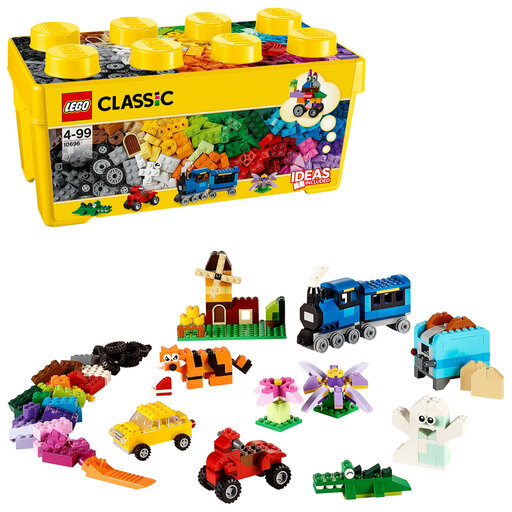
Why this product fits the profile: The box contains 484 elements in 35 colours, including windows, eyes, wheels and green baseplates. It offers a straightforward introduction to free building and can be combined with existing LEGO bricks.
The number of pieces is clearly stated, and the storage box reduces loose bricks in the playroom. The age recommendation is 4 years and over.
484 elements, 35 colours, several accessory types and an integrated storage solution.
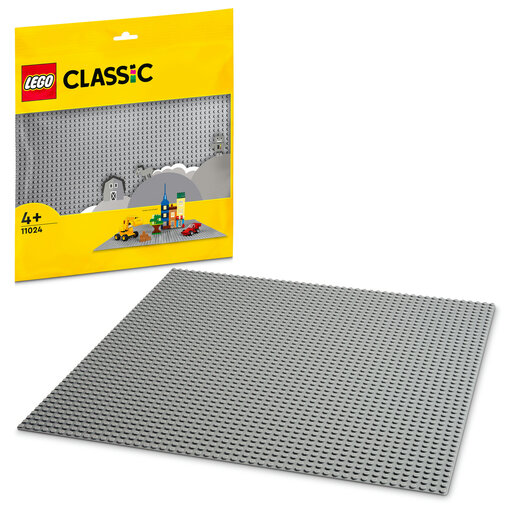
Why this product fits the profile: The 38 × 38 cm LEGO baseplate offers 48 × 48 studs and a clearly defined surface for building, playing and displaying.
The usable area and stud grid are clearly specified. This means you can check the plate against your available space and existing collection before buying.
Large building surface, 2,304 studs and use as a base for different LEGO models.
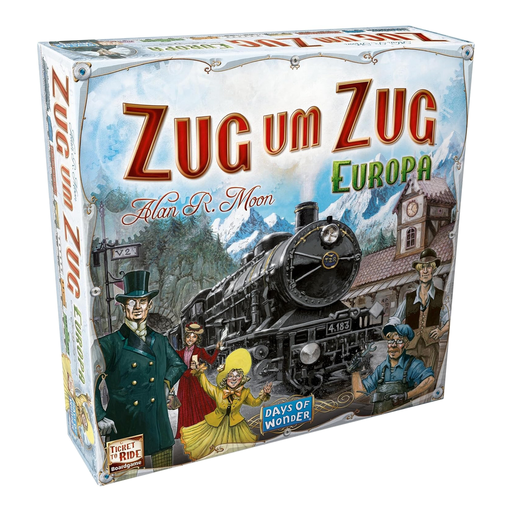
Why this product fits the profile: This family game is designed for 2 to 5 players aged 8 and over. Routes between European cities, destination cards and a stated playing time of around 45 minutes provide a clear framework for shared game nights.
The number of players, age recommendation and approximate duration are all specified in advance. This helps you avoid a game that is too short or too complex for the family.
For 2–5 players, ages 8+, German-language edition and a game board featuring European railway connections.

Why this product fits the profile: According to the product details, this role-play set contains 78 pieces including food items, cutlery and a storage bag. Velcro connections allow for playful cutting with the included plastic knife.
The number of pieces, the material (BPA-free plastic) and the storage bag are all specified. The age limit of 3 years and over, as well as the warning about small parts, should be noted.
Food items, cutting function, rounded edges according to the product description and a bag for transport.
We’ve put together a full, regularly updated list of products that fully meet these strict selection criteria and the safety regulations in force in the EU.
Before ordering gift ideas for children, we recommend this quick check:
For toys from 4 years, manageable LEGO Classic sets, brick boxes, baseplates and simple role-play sets are good options. What matters are easy-to-understand processes, an appropriate piece size and supervision with small parts. The specific age recommendation of each product remains the key guide.
LEGO Classic focuses on freely combinable bricks, colours and accessories. A box with many elements is ideal for changing, self-made creations. Themed sets such as LEGO NINJAGO or LEGO City, on the other hand, contain a specific figure, vehicle or play world with a matching instruction booklet. They are better suited to children who prefer a particular theme.
For family games, the number of players, age rating and playing time should all suit the group. Ticket to Ride: Europe is designed for 2 to 5 players aged 8 and over. For older teenagers and adults, Trivial Pursuit with 2 to 6 players and a recommendation of ages 16 and up may be more appropriate. The details on the product page help you avoid unexpected buying mistakes.