
Lieferung heute & morgen

Qualitätsgarantie

Willkommens-Angebote freischalten: KOSTENLOSE Lieferung | Bis zu 80 % RABATT | Kostenlose 30-Tage-JoyPlus-Testphase
App herunterladen
Toys should be fun, support a child’s development and work reliably in everyday life. However, parents and relatives face a huge range of products when choosing toys for babies, toddlers and children up to 14 years old. Terms such as educational toys, “Montessori-inspired” or “particularly durable” are not always enough to judge whether a product is genuinely suitable.
A toy for children aged 3 and over is not automatically suitable for every three-year-old. Other important factors include the size of the individual parts, the level of dexterity required, the volume and how the toy is intended to be used. A LEGO set with small bricks may be suitable for older children, whereas baby toys should contain as few detachable small parts as possible.
Children’s interests also change quickly. A motor-skills toy for toddlers may no longer appeal to older children. For children aged 7 to 14, construction toys, children’s puzzles, collectible figures or model-making kits may be more appealing.
“Educational toy” or “sensory toy” initially describes only how a product is positioned. More useful are verifiable details such as:
For electronic musical toys, for example, it should be possible to adjust the volume of melodies and sounds. With a remote-controlled car, range, driving environment, water resistance and battery life are more important than general advertising claims.
Batteries are not included with many products. For toys with lights, music or a microphone, power-supply information should therefore form part of your purchase decision. It is also important to check whether replacement parts are available and how much storage space is required.
An 820-piece LEGO set offers plenty of ways to build, but it needs to be stored in an organised way. A compact activity cube or LCD writing tablet, on the other hand, is more suitable for travelling and smaller homes.
First, consider how the child is meant to play:
The term Montessori toy is not a standardised quality label. Check exactly what activity the product enables and whether it is suitable for the child.
Look for smooth surfaces, rounded edges and a stable base. For plastic products, manufacturer information such as ABS, BPA-free or an indication of a low-pollutant coating may be relevant. A CE marking indicates that the supplier has declared compliance with the applicable EU requirements. However, it does not replace checking the age recommendation or providing adult supervision.
For children under 3 years old, warnings about small parts are particularly important. Even products with a higher age recommendation should be checked after unpacking for damaged or loose parts.
For musical toys, volume control, ease of use and the battery compartment are key factors. According to the product description, the children’s drum kit for ages 1 to 4 features four illuminated drum pads, two cymbals, a microphone, ten melodies and volume control. The product information states that batteries are not included.
Baby toys should be easy to clean. Electronic products must generally not be immersed in water. With a remote-controlled car, it should also be clear whether “waterproof” means protection against splashes only or whether the car can also be driven through shallow water. Read the manufacturer’s information carefully.
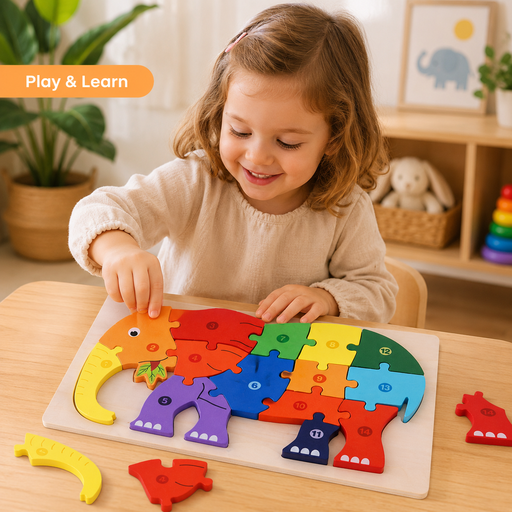
Why this product suits this profile: The puzzle is designed for playing together at home and combines colour and shape recognition with assembling a picture.
The product description specifies the contents, intended use and need for appropriate supervision rather than promising vague learning outcomes.
The picture, pack contents and suitability for indoor play are all clearly specified.
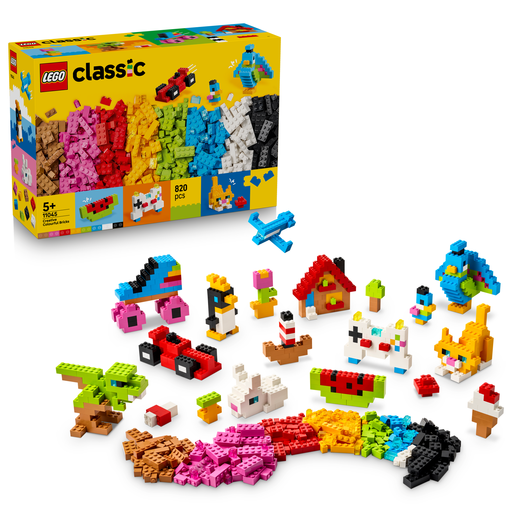
Why this product suits this profile: The set is aimed at children aged 5 and over and contains 820 bricks, along with instructions for several models.
The large number of parts and clearly stated age limit help you assess the set’s scope, storage requirements and small-parts risk.
ABS plastic, 820 pieces and digital 3D building instructions are listed as product features.
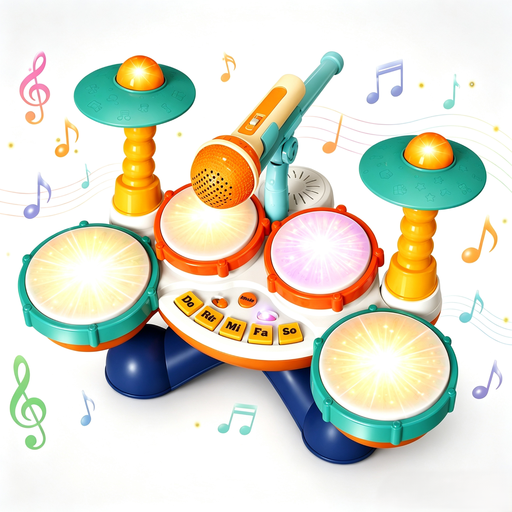
Why this product suits this profile: For children aged 1 to 4 who want to explore musical toys with drum pads, a microphone and different sound modes.
The volume can be adjusted according to the product information, allowing the sound level to be adapted to the home environment.
Four illuminated drum pads, two cymbals, ten melodies and three play modes are clearly listed; batteries are not included.
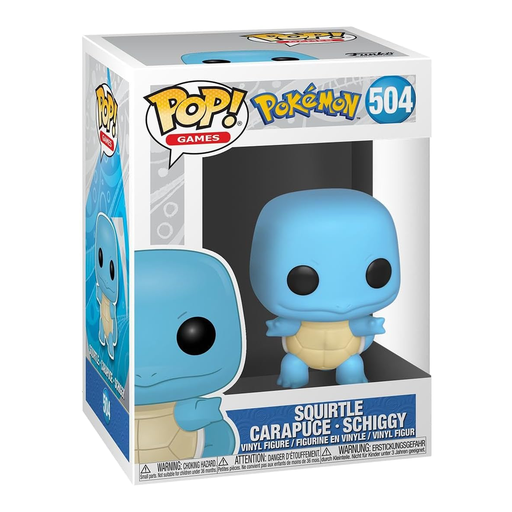
Why this product suits this profile: According to the product information, the vinyl figure is recommended for ages 3 and over and is suitable for collecting, displaying or giving as a gift.
Its purpose is clearly defined: this is a single figure with no batteries and no assembly required. Its use as a decorative item should be taken into account.
The figure measures 11,5 × 8,8 × 15,9 cm, weighs 110 g and requires neither batteries nor assembly.
We have put together a complete, regularly updated list of products that fully meet these strict selection criteria and the safety regulations applicable in the EU.
For a birthday or Christmas, a gift should suit not only the child’s age but also their everyday life. LEGO Creator 3-in-1 sets, an LCD writing tablet or a DIY marble run building kit are suitable for creative children. Vehicle fans may be interested in a remote-controlled car or a fire engine set. For anime fans and collectors, Funko POP! figures and blind-box collectibles are possible options. With blind boxes, remember that the specific design may be supplied at random.
Suitable products have an appropriate age recommendation, rounded edges and as few loose parts as possible. A baby activity cube for ages 1 to 3 or a musical educational toy for ages 6 to 18 months may offer a range of grasping, turning and pressing activities. The manufacturer’s instructions and appropriate supervision remain important.
A toy’s lifespan depends on its materials, use, storage and care. Regularly check moving parts, battery compartments and connections. Damaged toys should no longer be used. With LEGO sets and sturdy puzzle formats, organised storage can also help prevent parts from being lost.
This depends on the battery type, how often the toy is used and the volume. Before buying, check whether batteries are included. Volume control can make indoor use more adaptable. For products with a rechargeable battery, compare the charging time, charging accessories and stated battery life in the product details.