
Lieferung heute & morgen

Qualitätsgarantie

Willkommens-Angebote freischalten: KOSTENLOSE Lieferung | Bis zu 80 % RABATT | Kostenlose 30-Tage-JoyPlus-Testphase
App herunterladen
Toys for children should be fun, suitable for their age and genuinely useful in everyday family life. However, choosing the right product is often more difficult than expected. Packaging frequently uses terms such as “educational”, “creative” or “particularly durable” without making it immediately clear what these claims actually mean.
Three common buying pitfalls occur particularly often:
A sensible purchasing decision should therefore start not with the theme, but with the age recommendation, materials, game mechanics and storage requirements.
The age recommendation on the packaging is a key point to check. With toys for children aged 3 and over, pay particular attention to small parts and components that could be swallowed. The label “not suitable for children under 3 years” indicates a potential choking risk and is not merely an optional recommendation.
Toys for children aged 4 and over may include simply structured children’s games, frame puzzles and introductory reaction games. For toys for children aged 6 and over, more complex rules, spatial tasks and longer periods of concentration may be appropriate. Even so, children develop at different rates. Always consider the age recommendation alongside the child’s individual interests and level of independence.
Also look out for:
With children’s puzzles and children’s board games, the material has a direct impact on how practical they are for everyday use. Sturdy card with neatly cut edges is a sensible choice for frequent play. Plastic toys should have rounded edges and securely enclosed components.
Magnetic construction toys require particular care. If the casing is damaged, magnets may become exposed. Toys should therefore be checked regularly for cracks, loose elements and warping. Swallowed magnets can cause serious injuries; if you suspect that a magnet has been swallowed, seek medical help immediately.
For many products, a dry or slightly damp cloth is all that is needed for cleaning. Craft materials and paper and wooden parts should be stored in a dry place. A suitable storage bag or box helps prevent parts from being lost, ensuring the toy does not become incomplete after only a short time.
“Educational toy” is not a single, legally protected quality characteristic. You should therefore check which specific activity the toy requires:
The number of players is also important. A logic game for one person is not automatically suitable for a family games evening. Conversely, family games may take too long for younger children if the rules and playing time are not suited to their stage of development.
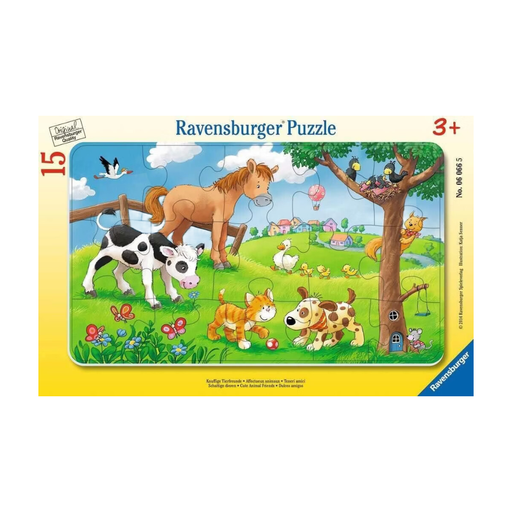
Why this product suits this profile: This frame puzzle is designed for children aged 3 and over. With 15 pieces, it offers an approachable introduction to puzzling. The printed outline lines make it easier to match the pieces.
The frame and base are combined, keeping the pieces organised during play instead of allowing them to slide around on a large, open surface.
15 sturdy pieces, an integrated frame and no batteries required; suitable for independent or shared play.
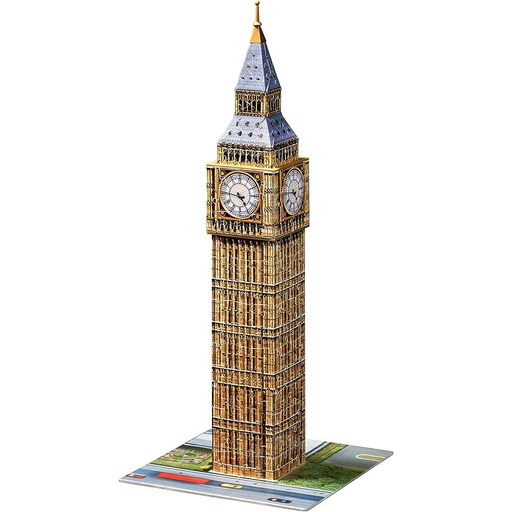
Why this product suits this profile: For children aged 8 and over who are interested in landmarks and prefer a structured challenge. The model is assembled step by step.
The 216 pieces are numbered and assembled by following the instructions. Easy Click Technology is designed for assembly without glue.
Includes 216 puzzle pieces, accessories and multilingual instructions; according to the product information, the completed model measures 6 × 6 × 6 cm.
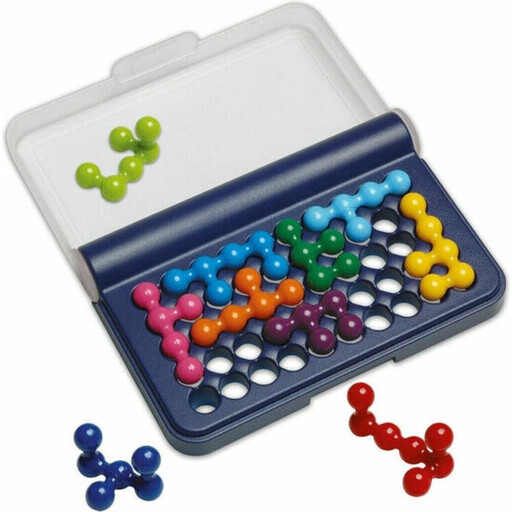
Why this product suits this profile: This compact logic game is designed for one player aged 6 and over. Measuring 9,8 × 3,2 × 14,4 cm, it also works well as a travel game for children.
The game is designed for solo play and does not require batteries. After playing, the components can be stored in the compact container.
Includes a challenge booklet and solution booklet; the recommended age group is 6 and over.
We have put together a complete, regularly updated list of products that fully meet these strict selection criteria and the safety regulations applicable in the EU.
For a child’s birthday party, clearly defined gift ideas for children are a good choice, such as toy figures, children’s card games or an age-appropriate puzzle. A plush keyring is more suitable as a small extra gift and, because of possible small parts, should not automatically be considered a toy for very young children.
For evenings spent playing together, family games with a short playing time and few rules can be a good option. The Halli Galli Junior card game from AMIGO is listed for 2 to 4 players aged 4 and over. For older children, the Junior Edition of Stadt Land Vollpfosten, with 120 cards and 200 categories, is designed as a German-language card game for children aged 8 and over.
Compact games without batteries are practical for longer journeys. Magnetic building blocks may appeal to children who enjoy constructing things. Parents should pay particularly close attention to the magnet warning, the number of pieces and regular checks for damaged components.
Simple frame puzzles with a small number of sturdy pieces, manageable sorting games and robust toy figures are often suitable. The manufacturer’s information, the size of the pieces and the child’s ability to use them safely are the key considerations. Small parts and magnets require particular care.
Lifespan depends on the materials, how the toy is used and how it is stored. Cardboard puzzles stay complete for longer when stored in a dry place and handled carefully. Plastic parts should be checked regularly. Damaged, cracked or loose components should be removed from use.
Many puzzles, board games, card games and construction toys do not require batteries. Electronic games, on the other hand, involve additional costs for batteries or rechargeable batteries. Before buying, check whether batteries are included, which types are required and whether the game can also be used without a power supply.