
Lieferung heute & morgen

Qualitätsgarantie

Willkommens-Angebote freischalten: KOSTENLOSE Lieferung | Bis zu 80 % RABATT | Kostenlose 30-Tage-JoyPlus-Testphase
App herunterladen
Toys for children should suit their age, abilities and family life. However, eye-catching packaging or a long list of features says little about whether a product will be played with over time. It’s particularly worth taking a closer look at the materials, age recommendation and intended use when choosing toys for babies, toddlers and children up to around eight years old.
A toy with lights, music and lots of buttons may seem versatile. For younger children, though, too much stimulation can be confusing. What matters is whether the features are easy to reach and whether children can activate them themselves. A baby activity cube with spinning, pressing and sound elements may therefore be a better choice than several separate toys, each with just one feature.
A product may look like an appealing gift, but could contain small parts that aren’t suitable for babies or children under three. Blind box figures and many collectible figures are often intended for older children or adult collectors. An age recommendation of “3 years and up” doesn’t mean the product is suitable for every child in that age group. You should also consider the child’s development, supervision and play environment.
Interactive toys often need batteries. With a children’s instant-print camera, you’ll also need printing paper or other consumables. Before buying, check whether batteries are included, what accessories are needed and whether replacements or refills are easy to find. For baby crawling toys, it’s also important to make sure the floor is clear and level enough for the product to move safely.
For babies from around six months, the focus is on grasping, touching, observing and crawling. Sensory baby toys with clear visual or sound responses can encourage these kinds of play, but shouldn’t automatically be assumed to have a medical or therapeutic effect.
For children aged one to three, sturdy materials, large controls and easy-to-understand cause-and-effect features are important. Montessori toys aren’t a protected quality label. The term usually describes a play-based approach that encourages independent exploration. So, rather than relying on the label alone, check what the toy actually does.
From around the age of six, children may be ready for rules, role play and more complex sequences of activities. A magic set for children, for example, is only suitable if the tricks are clearly explained and it’s used with age-appropriate supervision.
For products aimed at toddlers, rounded edges, sturdy construction and as few detachable parts as possible are practical points to check. Product descriptions for plastic toys may include details such as ABS or BPA-free. Treat these as information provided by the seller; they don’t replace checking the age recommendation.
The CE marking indicates that the manufacturer has declared or assessed the product against the relevant EU requirements. It isn’t an independent quality seal. For toys, references to EN 71 are also relevant where they’re given for the product in question. Check that warnings, manufacturer details and importer information are complete and easy to read before you buy.
A toy for the home should suit the space available. Moving crawling toys need plenty of room and shouldn’t be used near stairs, cables or breakable objects. For toys with music and lights, choose a volume that’s suitable for the room. A portable activity cube can be handy for trips or visits, while a large play station is better suited to a permanent spot.
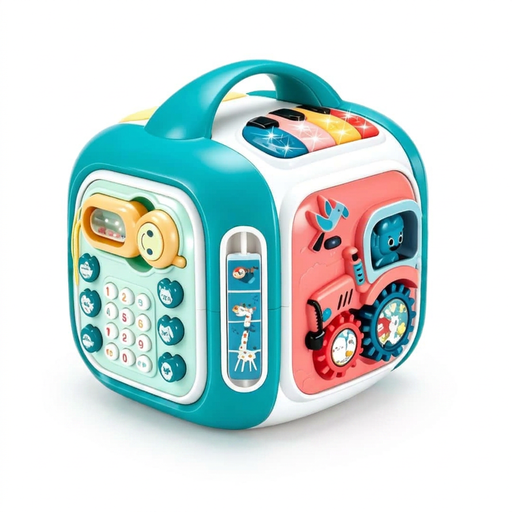
Why this product suits this profile: This compact cube brings several play surfaces together in one product and is listed as suitable for children aged 1 to 3. Measuring around 23 × 23 × 24 cm, it can also be used in smaller spaces.
The features are built into the cube, so you don’t need to buy and store several separate toys. The age recommendation still matters, of course.
ABS plastic, rounded edges, and piano, telephone, gear and music features, according to the product description.
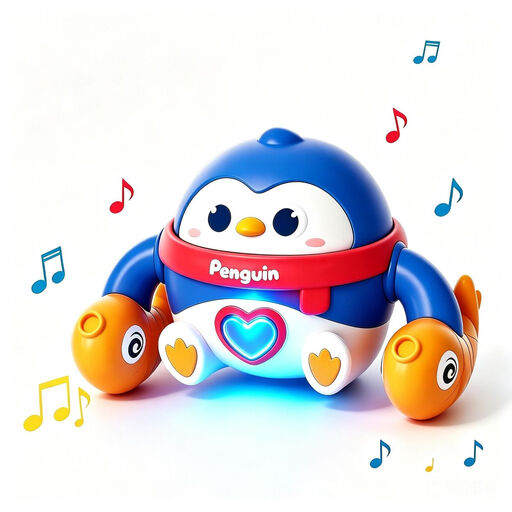
Why this product suits this profile: According to the seller, this moving baby toy is suitable for ages 6 to 36 months and combines rolling movement, music, lights and a motion sensor.
The product details specify the material and age range, and state that batteries aren’t included. This makes it easier to plan how the toy will be used and factor in ongoing costs.
360-degree rolling movement, an LED heart and a smart sensor, according to the product description. Use on a clear, level surface.
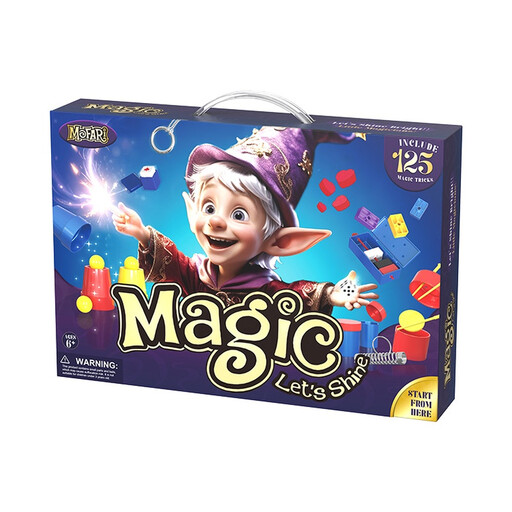
Why this product suits this profile: According to the product name, the set is aimed at children aged 6 and over. It’s a good fit for families looking for activities they can enjoy, perform and practise together.
The stated age range helps clarify who the set is intended for. With magic sets, check the instructions, supervision requirements and how to handle individual props before use.
12 tricks and 125 effects according to the product name; a handbook and video tutorials are said to be included.
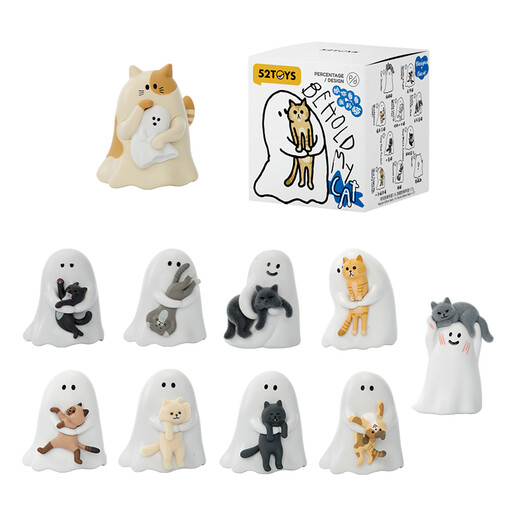
Why this product suits this profile: The figure is selected at random and, according to the product warning, isn’t suitable for children under 8. It’s therefore better suited to adult collectors or older children with a parent or guardian’s permission.
The random selection is clearly stated. The listing also highlights the small parts and age restriction, helping to avoid mistaking it for a baby or toddler toy.
One randomly selected collectible figure per order; the series is described as mini desktop décor.
We’ve put together a complete, regularly updated list of products that meet these strict selection criteria and fully comply with the safety regulations in force in the EU.
For a children’s party, it can make sense to combine a practical gift with decorations. A Happy Birthday balloon set can be used to decorate a room or create a photo backdrop. Don’t leave young children unsupervised with uninflated or damaged balloons.
A children’s instant-print camera is a great choice for children who want to take photos and print them straight away. Before buying, check the resolution, fixed-focus lens, printing technology, paper size and battery requirements. Younger children should only use the camera under supervision.
Plush and PVC collectible figures, such as the JOTOYS series, are better suited as decorations or collector’s items. According to the relevant product information, they aren’t suitable for children under three, as they may contain small parts and small balls.
Age-appropriate grasping, touch and movement toys may be suitable. Check for large, securely attached parts, rounded edges and clear warnings. Moving products such as crawling toys should only be used on a clear surface and under supervision.
Lifespan depends on the materials, construction, how the toy is used and how well it’s cared for. Sturdy ABS constructions may be designed for active play, but moving parts, battery compartments and printing accessories can still wear out. So, when choosing a toy, consider more than just the purchase price: think about cleaning, batteries and any consumables you may need.
Simple toys usually don’t come with regular costs. Electronic and interactive toys may need batteries. An instant-print camera also needs printing paper and may require other accessories. Before buying, check what’s included and whether replacement materials are available.