
Lieferung heute & morgen

Qualitätsgarantie

Willkommens-Angebote freischalten: KOSTENLOSE Lieferung | Bis zu 80 % RABATT | Kostenlose 30-Tage-JoyPlus-Testphase
App herunterladen
There’s a huge range of toys for children to choose from, including board games, travel games, magnetic building tiles, educational toys, craft kits and toy cars. But eye-catching designs and long lists of marketing claims don’t tell you whether a product will really work for your family.
Before buying, parents, grandparents and relatives should look out for three common pitfalls:
For toys for ages 3 and up, pay particular attention to small parts that could be swallowed and to magnets. The label “not suitable for children under 3 years” highlights potential risks, but it isn’t a complete assessment for every child. Older children should also be supervised when playing with small counters or pieces if they still tend to put things in their mouths.
For toys for ages 6 and up, you’ll often find games with strategic rules, cards or small playing pieces. Also check whether your child can follow the instructions independently or will need help from an adult.
Look for information about the materials, manufacturer, responsible person in the EU and safety markings. The CE marking is the manufacturer’s declaration that the product meets the relevant EU requirements. It isn’t an independent quality mark.
For magnetic building tiles, look for fully enclosed magnets and rounded edges, and check regularly for cracks. Swallowed magnets can cause serious injuries, so set aside any damaged pieces straight away.
A game that needs batteries, replacement parts or regular purchases of accessories can cost more in the long run. Games that don’t need power, such as family board games, craft kits and classic board games for children, are usually more straightforward. Before buying electronic toys, check the battery type, charging time and whether your child will need supervision while using them.
For travel, weight, packaging size and storage are especially important. Practical travel games are quick to set up, pack away neatly after play and can be used on small tables.

Why it suits this family: This set contains 32 magnetic pieces, is recommended for children aged 3 and over, and comes in a metal storage tin. It’s a manageable introduction to magnetic building tiles and an easy-to-carry activity.
The number of pieces and the packaging are clearly specified. Remember to check the warnings about small parts and magnets before buying.
32 pieces, no batteries and a built-in storage tin.
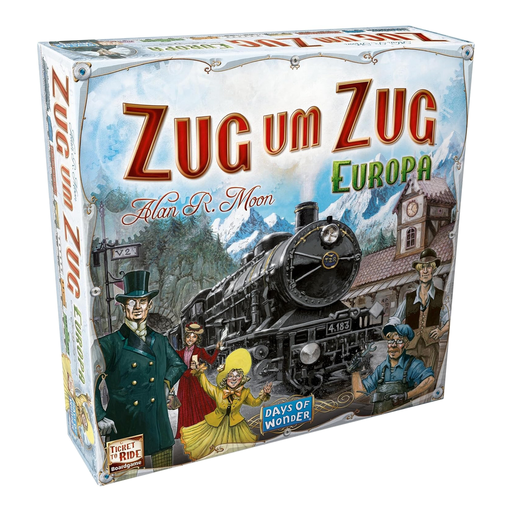
Why it suits this family: This German-language board game is designed for 2 to 5 players aged 8 and over. It offers a structured game with cards, routes and destination tickets.
The recommended number of players, age guidance, play time of around 45 minutes or more and material details are all provided. Make sure you have enough space to play at home.
For 2 to 5 players, a German-language game and an extensive set-up with 250 listed pieces.
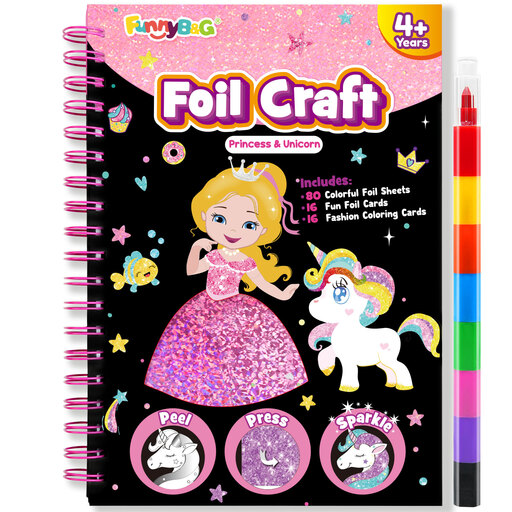
Why it suits this family: This craft kit is recommended for ages 4 to 10 and includes foil, craft templates, colouring cards and a stylus. It’s ideal for a quiet activity at home or on the go.
No glue or scissors are needed. Even so, adults should check the contents, age recommendation and any small parts before use.
112 listed pieces and a compact format for trips, waiting times or rainy days.
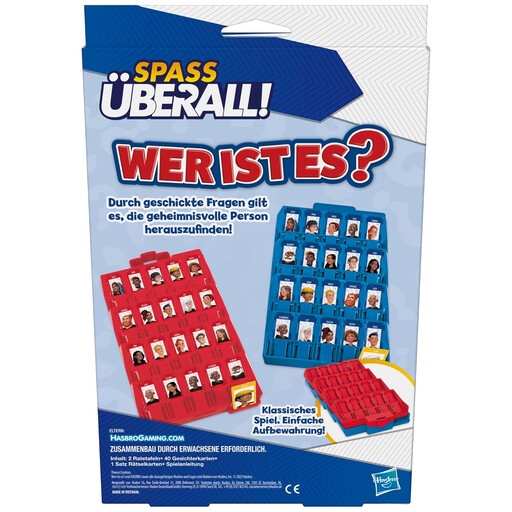
Why it suits this family: This compact guessing game is designed for two players aged 6 and over. The yes-or-no questions and storage box make it a good choice for quick rounds while travelling.
The number of players, age recommendation and compact storage are clearly described. As it contains small parts, the game isn’t suitable for children under 3.
A two-player game, quick to set up, with a built-in storage box.
We’ve put together a complete, regularly updated list of products that meet these strict selection criteria and fully comply with the safety regulations in force in the EU.
Depending on your child’s interests and your family’s day-to-day needs, these product groups may also be worth considering:
For children aged 3 and over, suitable options include simple construction toys, craft materials with an appropriate age rating, toy cars and games with short, simple rules. Take extra care with small parts and magnets. Always check the manufacturer’s age recommendation against your child’s stage of development.
Good travel toys take up little space, are ready to use without a lengthy set-up and can be packed away neatly. Examples include compact guessing games, dice games, small craft kits and magnetic building tiles in a storage box. For car and plane journeys, make sure pieces aren’t left loose in your luggage.
A toy’s lifespan depends on its materials, how often it’s used, how it’s stored and the child’s age. Regularly check edges, fastenings, cards, wheels and magnet housings. Don’t continue using damaged toys or those with missing parts. For board games, keeping them in a dry place helps cards and boards last longer.