
Lieferung heute & morgen

Qualitätsgarantie

Willkommens-Angebote freischalten: KOSTENLOSE Lieferung | Bis zu 80 % RABATT | Kostenlose 30-Tage-JoyPlus-Testphase
App herunterladen
Children’s toys should be fun, support their development and stand up to the demands of family life. Choosing the right one can be harder than expected, though. A toy may look versatile on the packaging but end up unused in the playroom. Others contain small parts, need batteries or are only suitable for the age stated in certain circumstances.
That’s why Joybuy’s product recommendation team filters relevant product information using clear criteria. The focus is on age recommendations, materials, features, care and intended use.
Lights, sounds, moving parts and accessories can all look appealing. What matters, though, is whether your child can use the features independently and whether they suit their stage of development. For baby toys, large, easy-to-reach controls are usually more practical than lots of complicated functions.
‘From 3 years’ isn’t just a casual suggestion. Small figures, accessories or battery compartments can pose a choking risk to younger children. Even with toys for children aged 1 and over, parents should regularly check whether seams, buttons or plastic parts have come loose.
The CE marking indicates that the manufacturer declares the product meets the relevant EU requirements or has followed the required procedures. It isn’t an independent quality mark, and on its own it says nothing about educational value, durability or noise levels. Markings such as EN 71 relate to toy safety requirements. Even so, it’s important to read the instructions and warnings, and to supervise children.
For babies, choose large, easy-to-grip parts without small pieces that can come loose easily. Musical toys for babies should have a volume control that’s easy to reach. With a baby activity table, stability, removable legs and the option to play on the floor are also worth considering.
From around 1 year, children start to enjoy grasping, pressing, sorting and copying. Toys for imaginative play, dolls and simple vehicles can help them explore social situations. From 3 years, more complex stories, character worlds and building sets become more appealing. For example, a Playmobil pirate ship with lots of small parts is generally better suited to older children and needs to be stored carefully.
Look for clear information about:
For soft toys, washability and how securely eyes, buttons and bows are attached are especially important. ‘Wipe clean with a damp cloth only’ may be less practical for families who use a toy often than a clear machine-washable label.
Electronic learning toys often need batteries. Check whether they’re included, what size you need and whether you can adjust the volume. A toy drum for toddlers or a musical toy shouldn’t be used right next to the ear for extended periods.
Size matters too: a large playset needs a safe space to play and somewhere to store it. Foldable products such as a dolls’ pushchair can be more practical in smaller homes and when travelling.
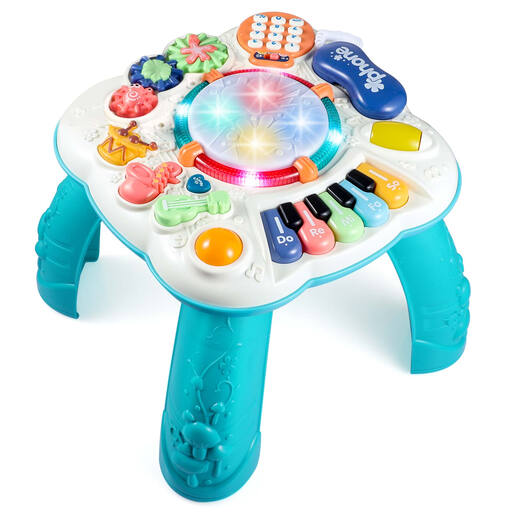
Why it suits this type of shopper: Six play areas, including piano keys, a drum, a phone and gears, bring a range of activities together in one product. The removable legs let little ones play on the floor or at a table.
The product description specifies a volume control and rounded edges. Batteries aren’t included, so you’ll need to buy them separately.
ABS plastic, stated BPA-free materials, six play zones and removable legs for two ways to play.

Why it suits this type of shopper: With closing eyes, a bottle, sleepsuit and hat, this soft doll is designed for caring role play and is suitable for children aged 12 months and over.
The age recommendation of 12 months and over and the clearly listed contents make it easier to check whether it’s right for your child. The warning about small parts is still important.
36 cm tall, with a soft body and closing eyes; materials are stated to be BPA-free and non-toxic.
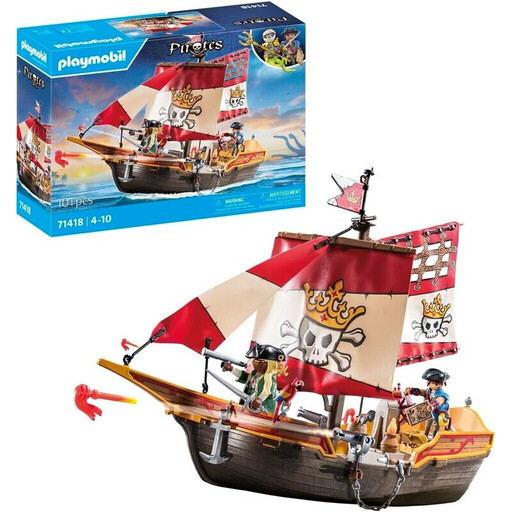
Why it suits this type of shopper: Designed for children aged 4 and over, this set offers an extensive world of figures and accessories for storytelling, treasure hunts and playing together.
The product details list 101 pieces, the age limit and several warnings. This helps you get a realistic idea of the extra storage and supervision it may require.
101 plastic pieces, two figures, a parrot, movable sails and two rotating cannons; no batteries required.
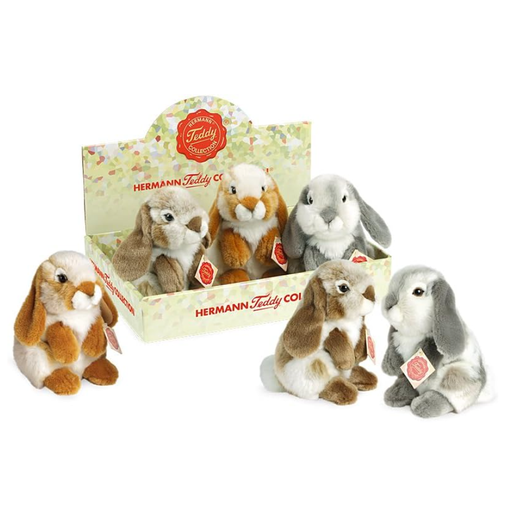
Why it suits this type of shopper: Recommended for children aged 18 months and over, this soft toy makes a thoughtful, manageable gift for a birthday, Christmas or a visit to a family.
The age recommendation and care instructions are clearly stated. The toy is machine washable on a delicate cycle at 30 °C, but isn’t suitable for tumble drying.
Plush fabric with recycled polyester filling, approximately 19 cm tall and machine washable at 30 °C as stated.
We’ve put together a complete, regularly updated list of products that meet these strict selection criteria and fully comply with the safety regulations in force in the EU.
For a birthday present for children, it helps to choose a toy with a clear purpose: a doll for role play, figures for storytelling or a learning toy with a few easy-to-understand functions. Christmas toys can be more elaborate, but should work well with sets your child already has. When choosing Paw Patrol figures, check how many figures and accessories are included. This helps you avoid duplicate characters or accessories that only work with a specific playset.
Before you pay, also check the packaging contents, what’s included, batteries, dimensions and returns policy. With randomly assorted products, such as certain soft toy collections, you may not be able to choose the exact design.
Large, easy-to-grip toys without accessible small parts are usually suitable. These might include simple activity tables, sturdy vehicles, soft dolls or toys specifically labelled for babies. Always follow the age recommendation and warnings for the individual product.
Lifespan depends on the materials, how often a toy is used, how it’s cleaned and how it’s stored. Regularly check seams, filling, eyes, battery compartments and plastic joints. Don’t continue using damaged toys.
As well as the purchase price, you may need to buy batteries and, in some cases, replacement parts. Check whether batteries are included, which types you need and whether the toy has an automatic shut-off or a volume control.